
Author:
Guntars Brālītis, Uldis Balodis
Music/performing arts
Title
The Latvian traditional game Novuss (2025)
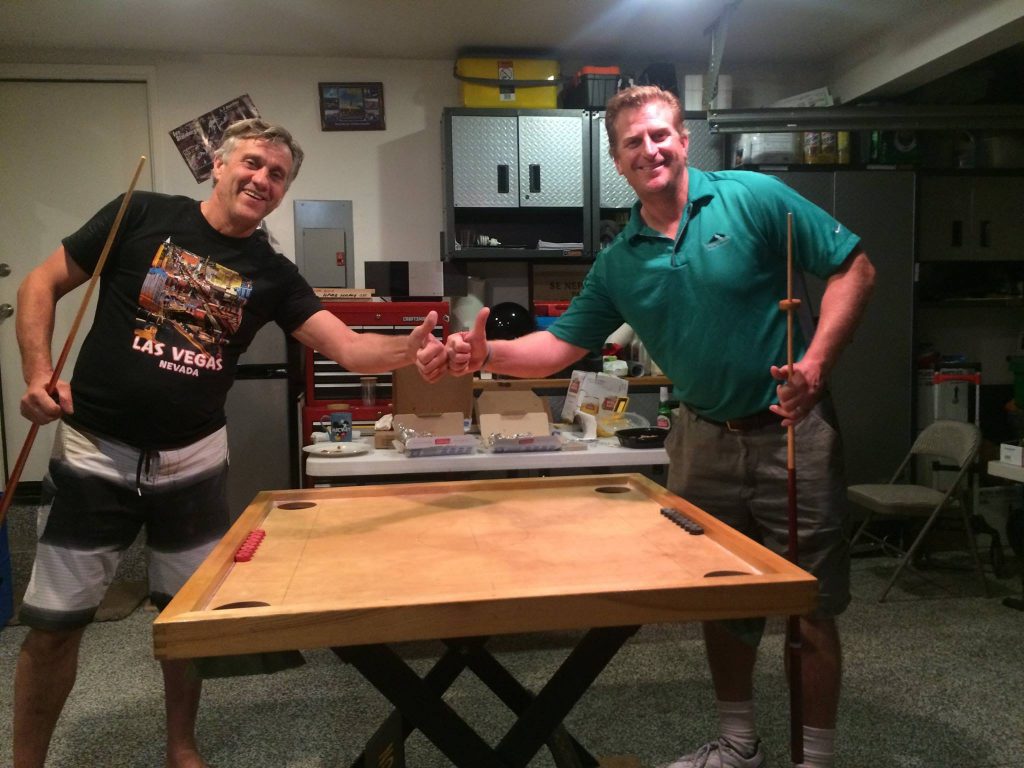
Similar to billiards, novuss is an original Latvian board game played on a wooden table with a cue and disc-shaped balls. The objective is to hit your colored discs into the holes in the corners.
The name “novuss” is often associated with the Latin word “novus,” meaning “new,” though the exact origin of the name remains undocumented. It is possible that the name was chosen to reflect the game’s innovative and original nature when it was developed in Latvia in the early 20th century. Despite the non-Latvian origin of the name, the game is closely linked to Latvian culture and identity.
Novuss is considered a Latvian national sport because the currently recognized version of the game was developed there, with specific proportions for the table, playing area, cues, and balls. This version became popular and spread throughout the country, occupying a stable place in society’s cultural and sporting life.
Similar game tables were found in the late 19th and early 20th centuries in Baltic Sea port cities, where sailors used them for entertainment. However, it was only in Latvia that this game was systematized, perfected, and institutionalized, becoming a popular sport and an integral part of life.
Novuss is played professionally and recreationally, and players are inspired by the spirit of competition and the history and traditions associated with Novuss in Latvia. These individuals are at the heart of the game. They cultivate its culture and ensure it is passed on to future generations.
Novuss clubs and organizations function as social and educational centers where competitions, master classes, and novuss traditions are maintained. These clubs and organizations strengthen the sense of community, allowing players to develop and promoting cooperation between regions of the country.
The Latvian Novuss Federation coordinates the game’s development at the national level, organizes tournaments, and promotes novuss in Latvia and abroad. To strengthen the game’s role in society, the Federation cooperates with schools, clubs, and local governments.
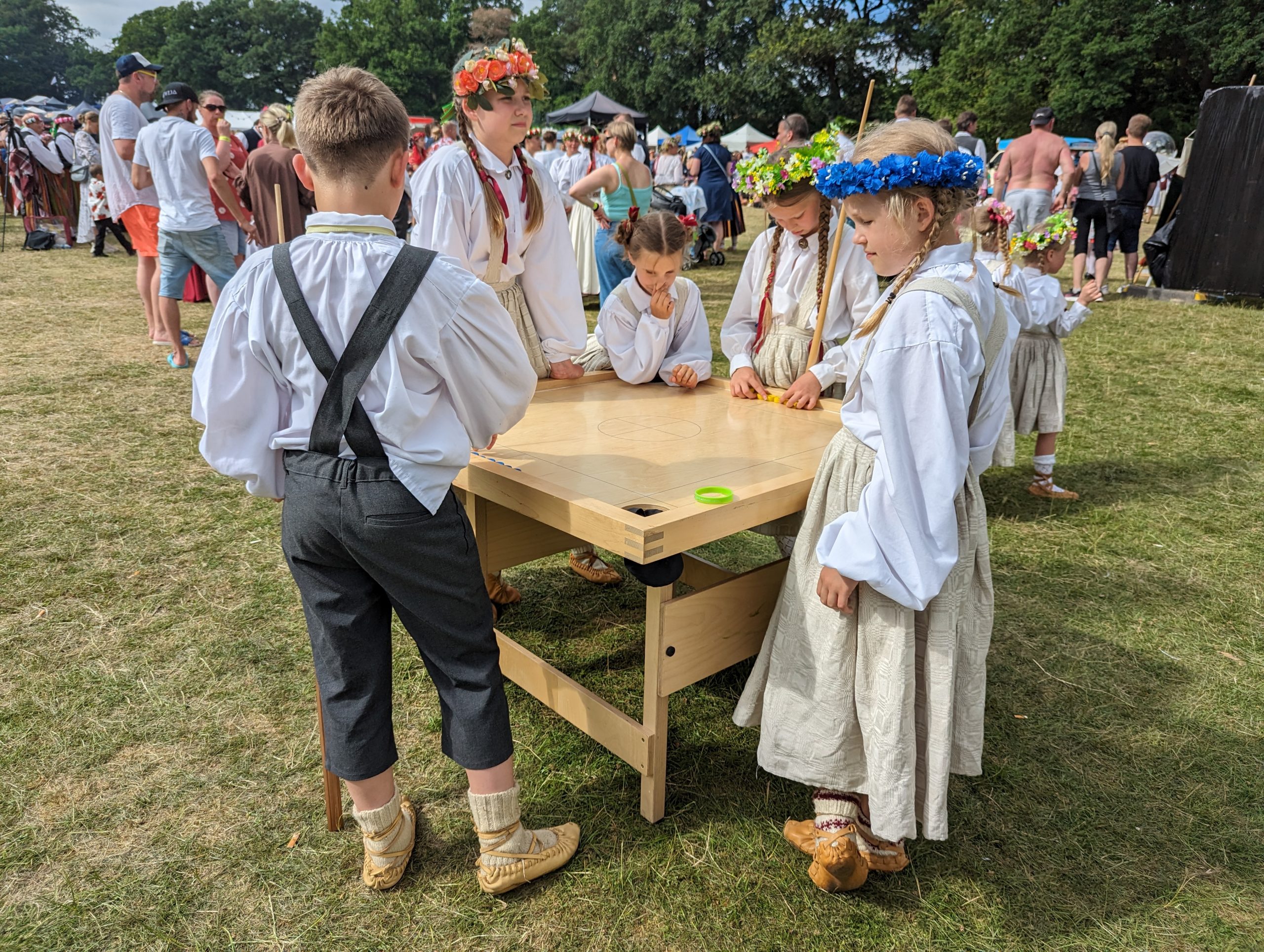
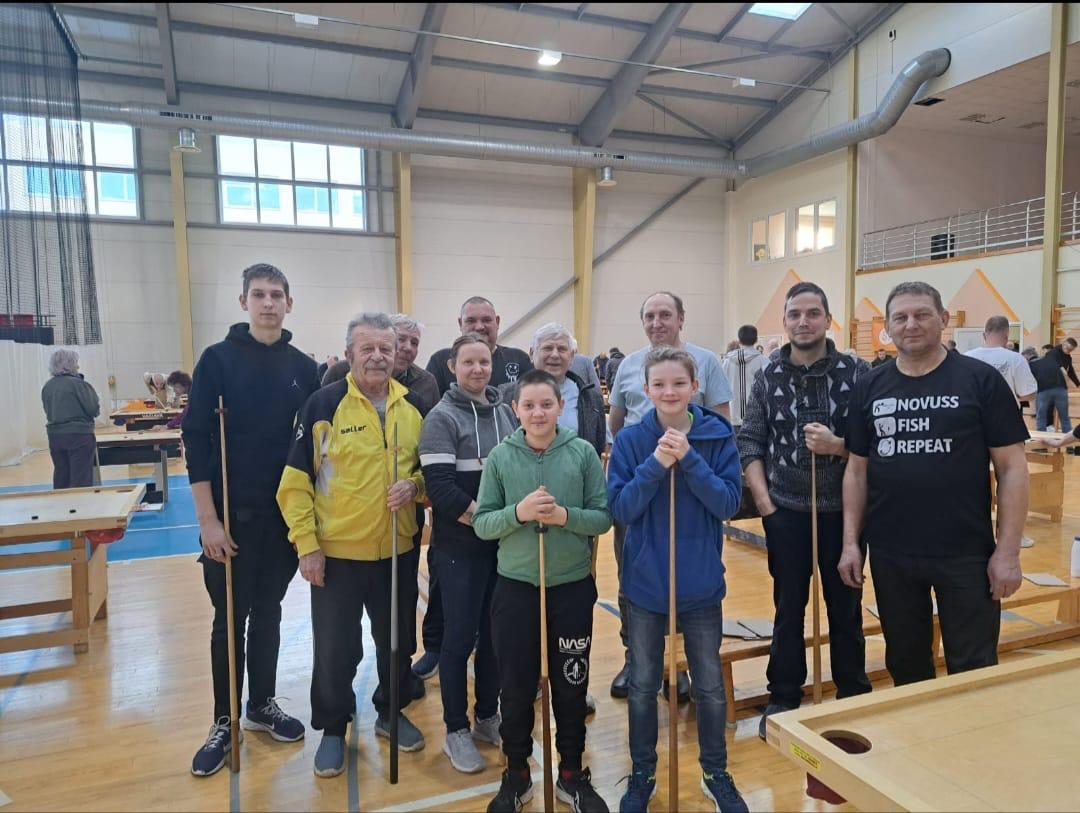
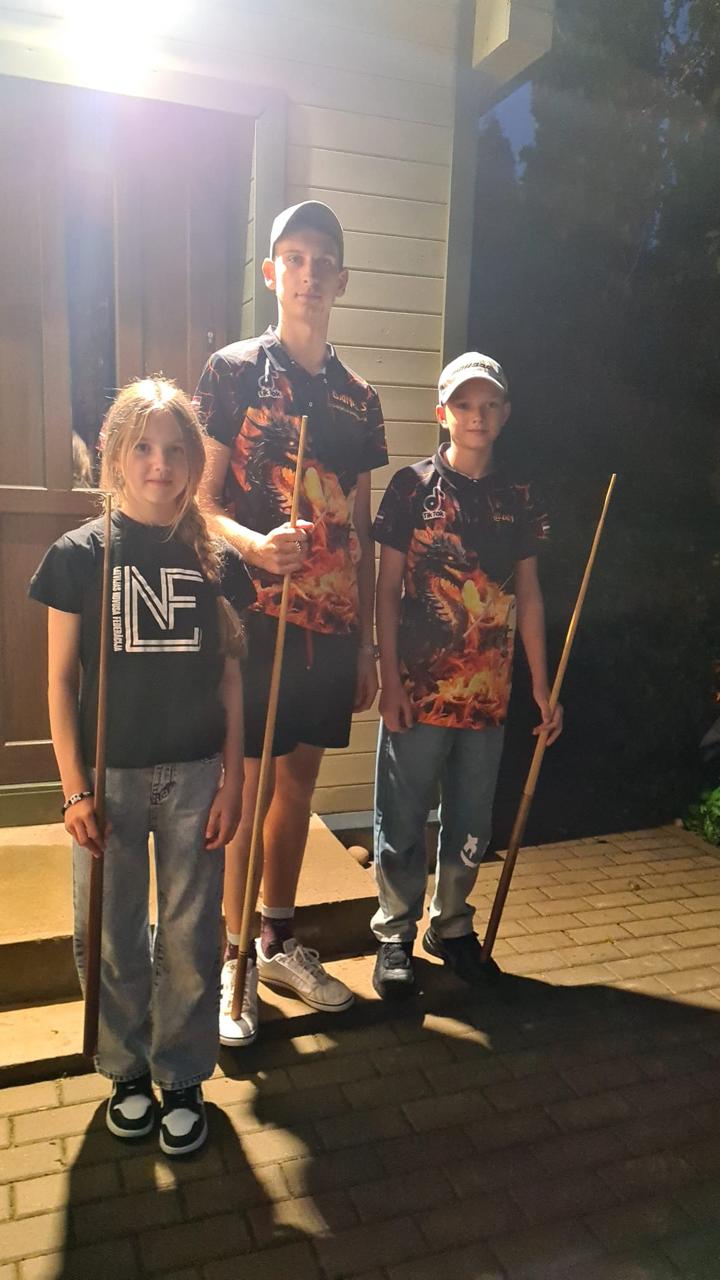
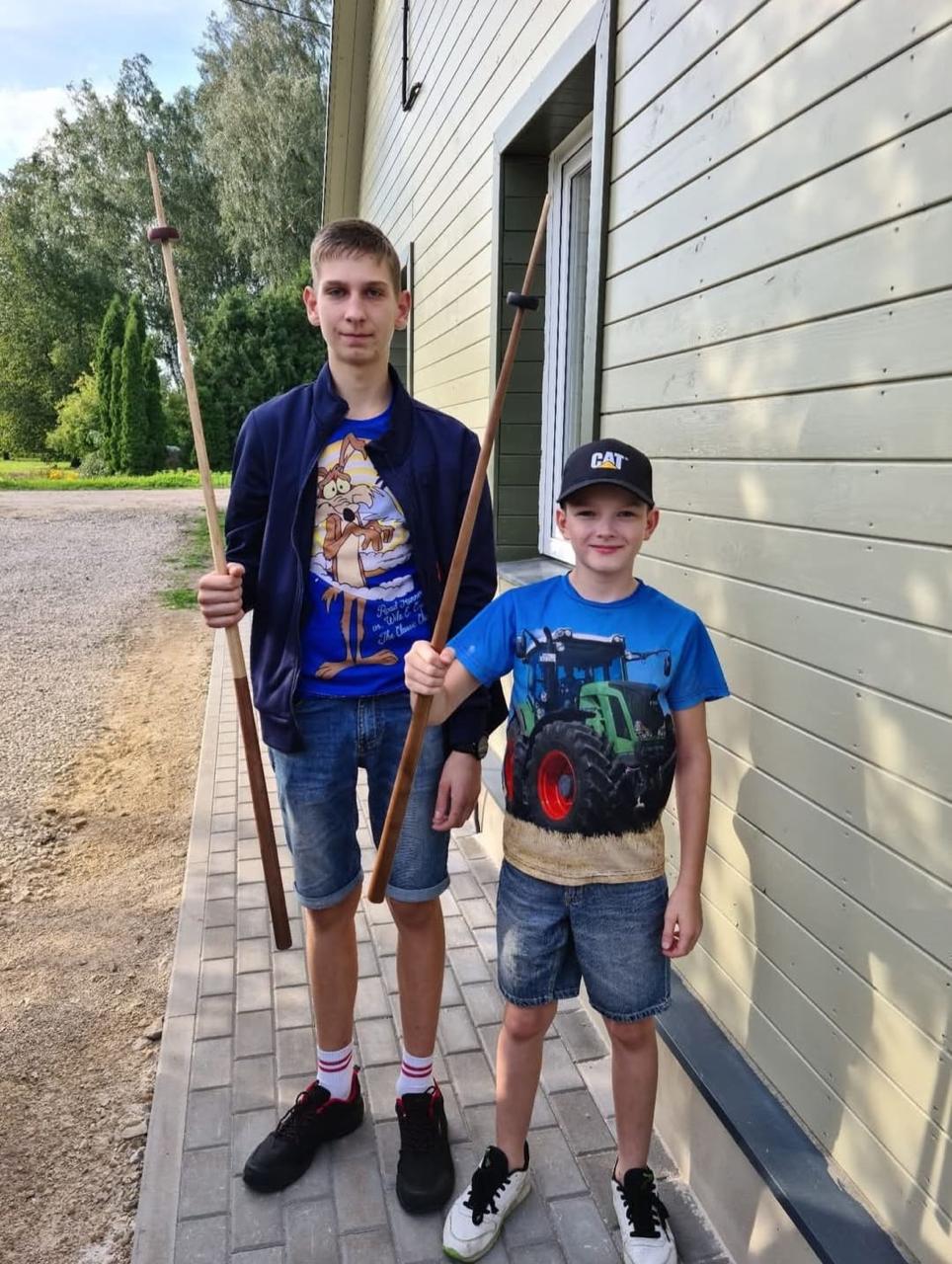
For schoolchildren and young people, novuss is a daily educational and recreational activity that develops skills and instills respect for national values. Among families and friends, novuss has become a tradition passed down from generation to generation.
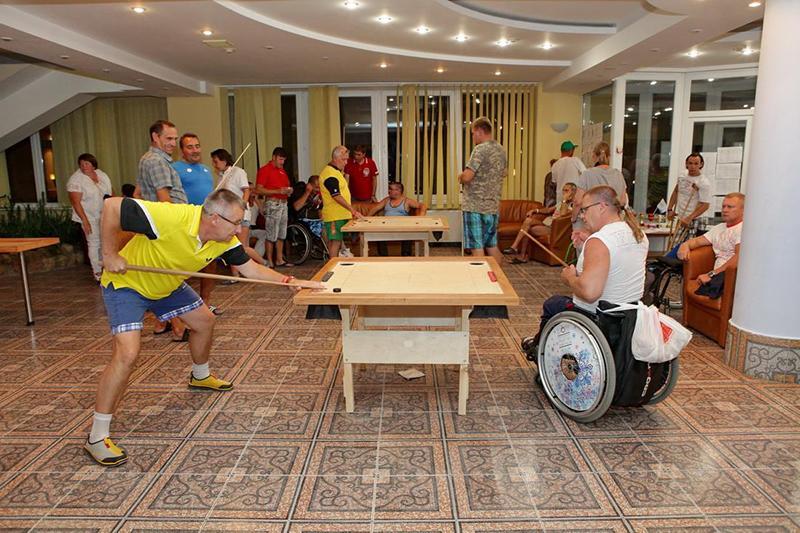
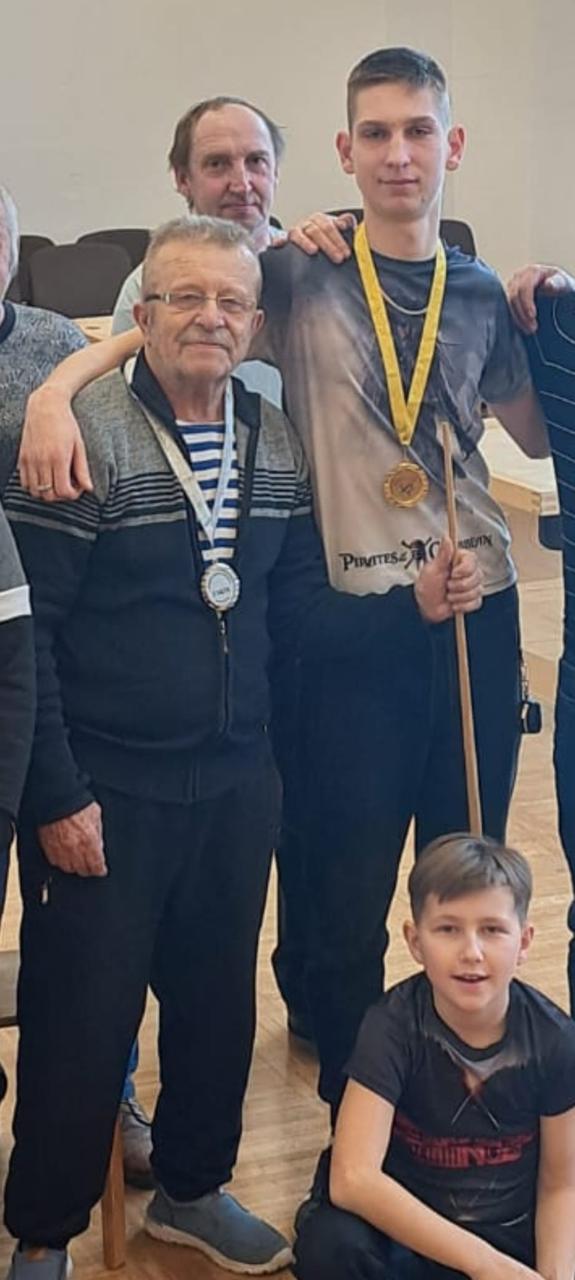
Seniors are among the most active players — novuss gives them the opportunity to be physically and socially active and promotes a healthy lifestyle and social integration.
These groups are united by a sense of identity inextricably linked to the desire to preserve novuss as an important part of Latvia's cultural and sporting heritage.
Significance in community life
Novuss is more than just a game; it's part of the community's identity and rhythm of life.
Tournaments, master classes, and leisure games promote mutual understanding, provide opportunities for socializing, and strengthen respect for one another. In many places, novuss clubs serve as community centers where people of different generations gather and share experiences.
Novuss is particularly important in rural and small-town environments where it has become one of the few regular community events. The game helps keep the local community active and reduces social isolation, especially among seniors. It also provides young people with an opportunity to spend their time healthily and develop skills such as concentration, respect, and cooperation.
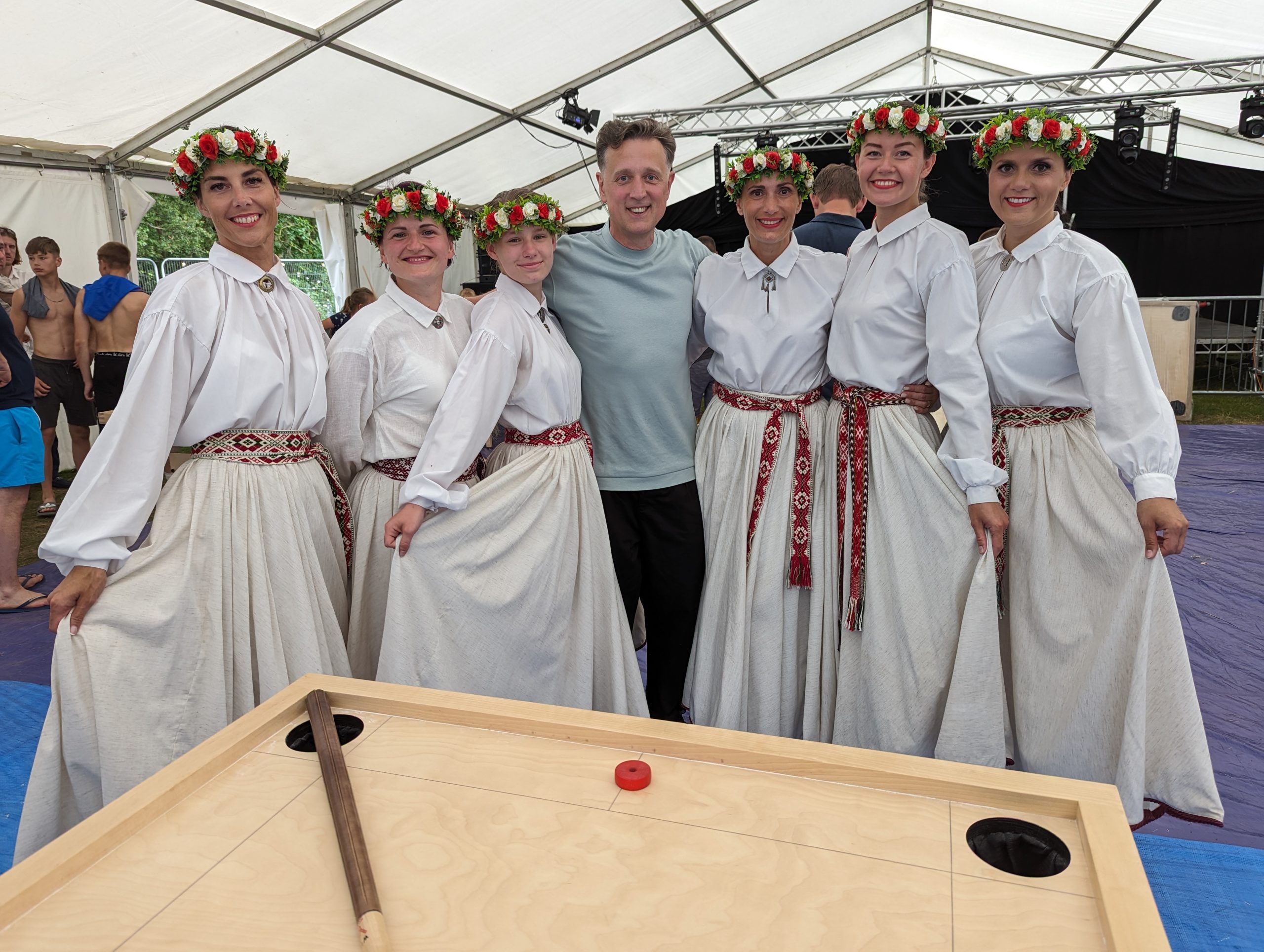
Novuss also serves as a cultural bridge in diaspora communities, helping maintain ties with Latvia. It unites people, strengthens a sense of belonging, and inspires pride in one's country of origin.
Activities
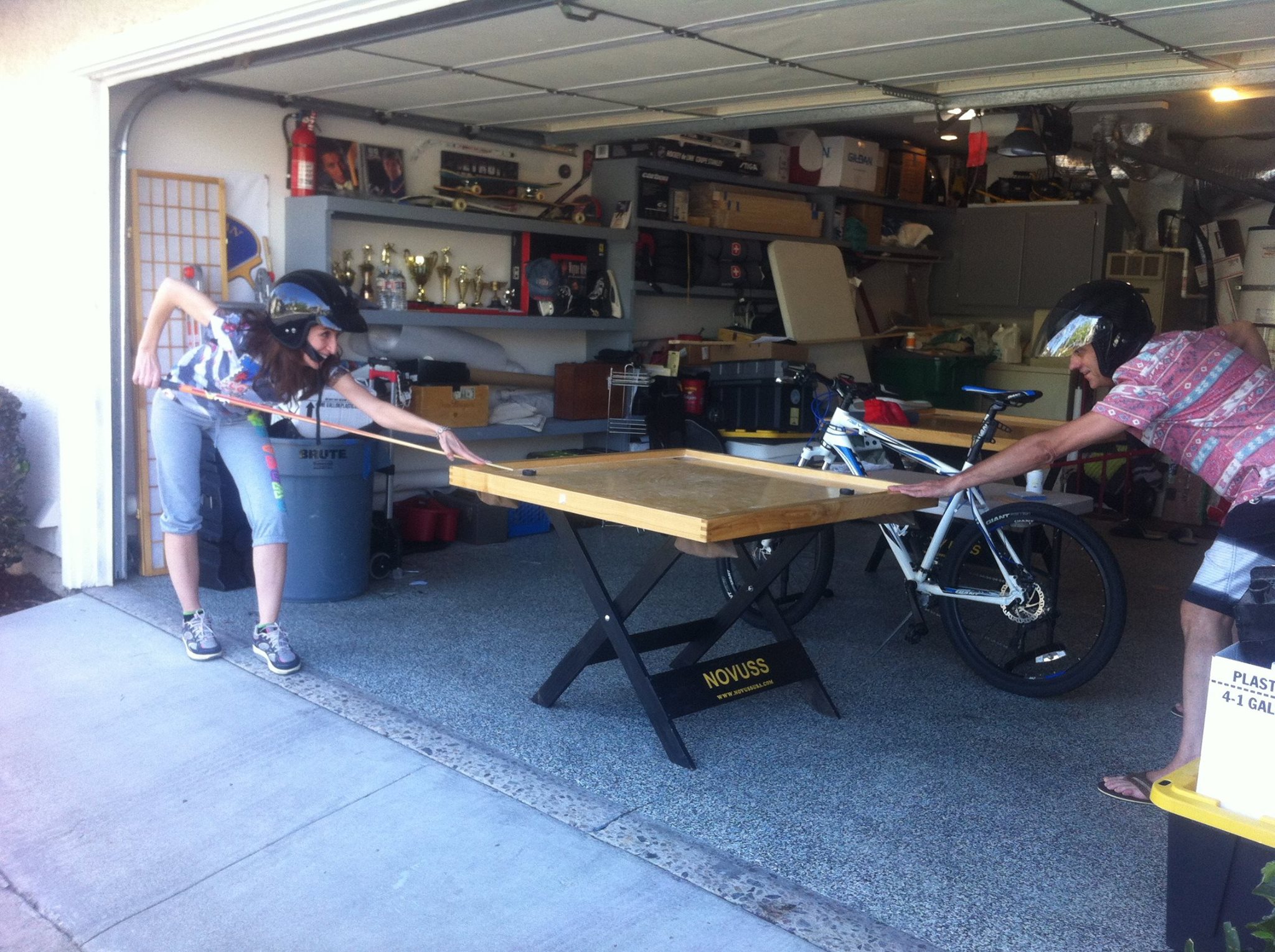
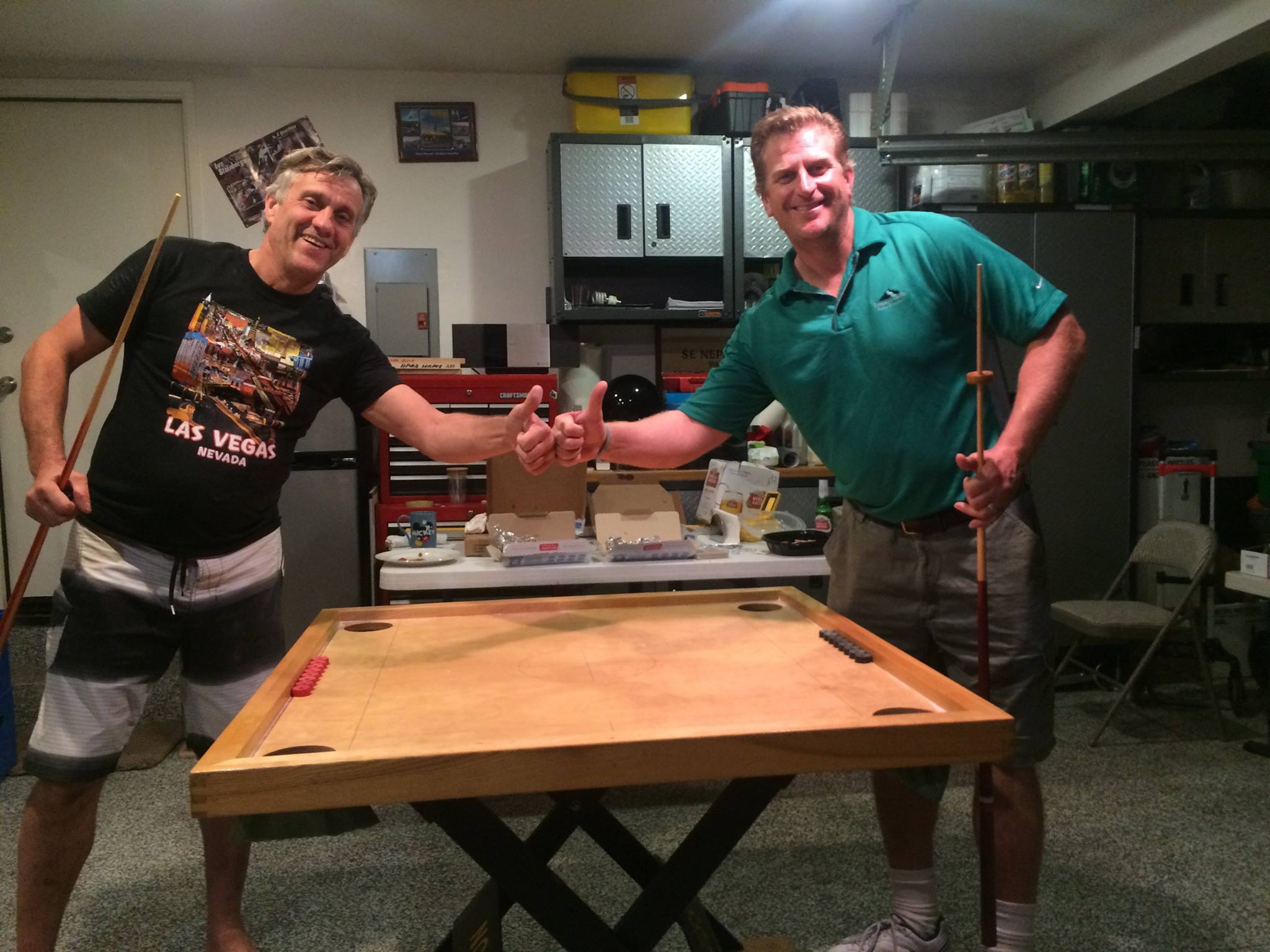
Similar to billiards, novuss is played on a special square wooden table (1000×1000mm) with barrier-like edges and four round openings (lūzas) in the corners, under which bags are attached to collect the discs.
The black lines drawn on the table are an essential element of novuss — they define the boundaries of the playing area, ensure accuracy, and distinguish the novuss table from any other table with lūzas. Without these lines, the table would just be a regular surface, but with them, it becomes a defined, regulated playing field.
The center line divides the table into two equal parts and indicates the boundary that players must not cross with their bodies or cues.
The starting lines on each player's side determine where the discs are placed at the beginning of the game and where they are pushed in certain situations.
Special markings are used to accurately position the large puck at the start of the game.
The table rests on a 75–78 cm high base. Two players participate in the game. Each player has their own cue, one large puck (šaiba), and eight discs (peškas)— red for one of the players and black for the other one. At the start of the game, each player places their peškas on the opposite sides of the table, behind the starting line, and then returns to their position.
The objective is to knock all of your peškas into the hole. Players may only stand on their side of the table. Shots are made with the narrow end of the cue to hit the large puck, which then hits the discs of the player’s color. There is no limit to the number of shots; after each successful shot, the player continues their turn. A shot is considered successful if at least one of the player’s discs falls into the pocket, taking into account the game’s rules regarding opponents’ peškas and the šaiba’s location.
Detailed official rules are available on the Latvian Novuss Federation website: www.novuss.lv.
Beliefs, rituals, and unwritten rules
Novuss is accompanied by traditions, beliefs, and unwritten rules of conduct. For example, it is believed that the first shot determines the course of the game, and changing cues during the game is considered unlucky. Silence at the moment of the shot shows respect for the opponent and characterizes the culture of the game.
Since the rules and terms of Novuss are passed down orally, they vary by region in Latvia. For instance, the large puck is called ripa in one region but a šaiba, mamma (mom) or even govs (cow) in others. If a player successfully sinks all their discs in the lūzas, this is referred to as štosene, štose, or kuģītis, depending on the region. Conversely, when a disc falls into the lūza in an unexpected or amusing way, it is called a lucky shot (veiksmes sitiens) or sheer luck (cūcene – “pig’s luck”). The diversity of names and expressions in each region gives the game its local character and is an essential part of novuss's intangible heritage.
Inheritance and transmission
The novuss tradition is maintained and passed on in various ways: in families, where children and young people learn the basics by playing with parents and friends; in clubs and sports associations, which organize competitions and master classes; and in schools and youth centers, which offer novuss as a leisure activity.
Informal groups of friends and like-minded individuals also play a significant role in preserving the tradition because the game provides a regular opportunity to socialize. Novuss is played in private and public institutions, such as cultural centers, senior centers, cafés, and leisure clubs. It is also often used as a recreational and team-building activity during work breaks.
Playing novuss requires technical skill, an understanding of the rules, and competitive experience. The Latvian Novuss Federation and regional organizations promote the game and maintain uniform standards. Digital resources help people learn the game remotely, and international tournaments promote spreading the tradition outside of Latvia.
History
Novuss is Latvia’s national sport and is played in both the country and the diaspora. The exact time of its origin is unknown, but the earliest information about the game dates back to 1927. According to novuss veteran Voldemārs Vītoliņš, A. Nadoļskis, a former sports official, played a similar game in foreign ports during his youth. Sailors played it in poor taverns, and these stories inspired the creation of the first novuss table in Latvia. The spread and development of novuss began in 1927 in Ventspils, Liepāja, and Riga.
P. Tjutenikovs published the first novuss rules in 1932. Although novuss was initially played only in port cities, it quickly gained popularity throughout the country. The first Latvian championship was held in Riga in 1932, with Alberts Ramiņš winning the title.
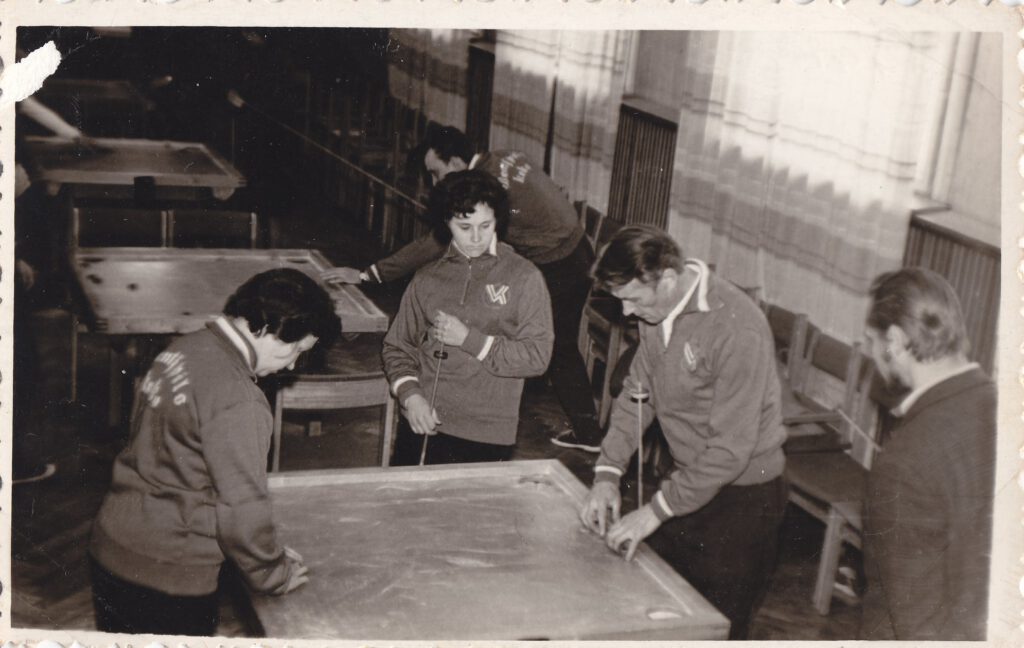
After the war, novuss experienced a resurgence, and in 1963, the Latvian Novuss Federation was established to organize competitions. By the 1980s, more than 55,000 people were participating in novuss, making it a very popular sport.
The following outstanding Latvian figures significantly contributed to the development and popularization of novuss in the 20th century:
• Voldemārs Vītoliņš, a novuss veteran, whose memories and conversations with sports official A. Nadoļskis provided valuable information about the game’s origins;
• A. Nadoļskis, a former sports official whose experience playing a similar game in foreign port taverns inspired the creation of the first novuss table in Latvia. His full name has not been preserved in the LNF archives;
• P. Tjutenikovs, the author of the first novuss rules published in 1932, whose full name has not been preserved in the LNF archives;
• Alberts Ramiņš, the first Latvian novuss champion (1932);
• Zenta Ankrava (ZIPI) and Vladislavs Trušelis (VEF), the first individual champions in 1964;
• Jānis Piebalgs, the first head of the Latvian Novuss Federation (1963).
Despite economic difficulties, novuss retains its place in Latvian sporting traditions, and competitions are held annually in cities and regions throughout the country. In 1993, novuss was one of the three most popular sports in Latvia, confirming the enduring popularity of this traditional game.
Novuss originated as a form of entertainment, a game played in recreational areas and club halls, especially in Kurzeme. It did not require expensive equipment and became popular due to its accessibility. It could be played under simple conditions, and its appeal lay in its exciting dynamics. Over time, novuss spread throughout Latvia and became a favorite game among families and friends. Eventually, it developed into a sport and gained the status of a national tradition.
Today, novuss is an official sport with tournaments, leagues, and international competitions, as well as a recreational activity. It is included in world and European championships, in which players from Latvia and other countries participate, promoting Latvia abroad. Novuss has become an important and visible part of Latvian sports and culture. With its open and inclusive nature, novuss symbolizes national unity.
THE IMPACT OF TECHNOLOGY AND GLOBALIZATION
Technological developments and globalization have significantly impacted the popularity of novuss. The game has found its place in the digital environment, where online tournaments are held, video tutorials are distributed, and social networks help popularize the sport. Electronic versions of novuss and mobile applications provide the younger generation with access to the game anytime, anywhere, helping them learn and maintain their interest.
With technology’s help, novuss is also being exported to other countries, especially places inhabited by the Latvian diaspora. This introduces representatives of other cultures to this unique Latvian sport.
NOVUSS AS AN ELEMENT OF SOCIAL AND CULTURAL UNITY
Today, novuss is more than just a sport; it is an integral part of Latvian cultural identity. It is played in families, school clubs, senior clubs, and sports camps, and has become a tool for promoting social integration. It brings together people of different generations and communities, creating a strong link between the past, present, and future.
Novuss has also become an important part of public events. Tournaments are held during Latvia’s centenary celebrations, city festivals, and diaspora gatherings, where players from around the globe participate and share their skills.
CURRENT CHALLENGES AND THE IMPORTANCE OF PRESERVATION
Despite its considerable popularity, novuss faces challenges. Competition from digital sports, such as e-sports and video games, often causes young people to choose different forms of entertainment. Preserving craft traditions, especially in the production of high-quality novuss tables and equipment, is also becoming increasingly difficult as knowledge transfer from masters to younger generations is declining.
CONCLUSION
Novuss has evolved from a simple tavern pastime into an important part of Latvia’s cultural and sporting heritage. As the game develops into an international sport, its role continues to grow, not only preserving local traditions, but also uniting communities and creating new social ties and identities.
Masters
• Guntars Brālītis: A Latvian novuss grandmaster who has won 35 championship titles in team, pair, and individual disciplines and has played for more than five decades.
Active masters who contribute to the preservation of Novuss traditions today include:
• Elmārs Zemrūķis — multiple Latvian champion and coach;
• Dace Balaka: Leading female player and coach of master classes;
• Valdis Rubenis: Winner of international tournaments and creator of youth training programs;
• Ainars Pēčs: novuss table craftsman and active competition organizer.
Institutions and organizations
1. Latvian Novuss Federation (LNF): The main institution that organizes national championships, develops rules, and promotes novuss development in the country and worldwide.
2. The World Novuss Union is an international organization that unites novuss clubs and players from different countries. Its goal is to develop, promote, and protect novuss as a cultural and sporting heritage:
• International Novuss Federation (FINSO);
• Polish Novuss Federation;
• Estonian Novuss Federation;
• Ukrainian Novuss Federation;
• German Novuss Federation;
• British Novuss Federation;
• American Novuss Federation.
3. List of members of the Latvian Novuss Federation:
• Aizkraukle District Municipality;
• Augšdaugava District Municipality Central Administration;
• Babīte Sports Club;
• Bauska District Municipality Sports Department;
• Cēsis Novuss Club;
• Municipality of South Kurzeme;
• Dobele County Municipality and Sports Administration;
• Grieta 3, SIA;
• Impulss 84 Association;
• Jaunpils Novuss Club;
• Jelgava Municipality Novuss Club;
• Jelgava Novuss Club;
• Jēkabpils Municipality Sports Center;
• Kuldīga Novuss Club;
• Ķekava Municipality;
• Ķekava County Municipality Sports Agency;
• Liepāja Novuss Club;
• Limbaži Municipality;
• Madona Municipality;
• Mālpils Sports Club;
• Olaine Municipality Institution, Olaine Sports Center;
• Olympic Center Limbaži SIA;
• Poga EP SIA;
• Priekule Novuss Club;
• Rēzekne City Council Sports Administration;
• Riga Public Transport (Rīgas Satiksme), Trade Union Coordination Center novuss teams;
• Riga Social Service Rīdzene Day Center;
• Rūjiena Sports Club;
• Saldus Novuss Club;
• SB Vilnis;
• SK Lauciene, association;
• Smiltene Sports Center Association;
• Durbe Sports Club;
• Lettonia Student Corporation Alumni Association;
• Talsi Novuss Club;
• Tukums Municipality, Kandava and Municipality Association;
• Tukums Novuss Club;
• Ventspils Novuss Club;
• The Ventspils KUAF Team, which holds the record for 15 consecutive Latvian championship titles;
• Vidzeme Novuss Club;
• Rūķi;
• Astii;
• Berģu snaiperi;
• TTNT;
• VPK Novuss Club.
Consolidation:
This unique game arrived in Latvia almost a hundred years ago and has since undergone significant development and grown in popularity well beyond its borders. During the Soviet era, novuss became an integral part of everyday life in many parts of the Soviet Union. Its popularity also led to the formation of official organizations — Novuss Federations were established in Ukraine, Russia, and Belarus. The Latvian Novuss Federation has been operating for many years and is the main organization for novuss players, enthusiasts, and supporters worldwide.
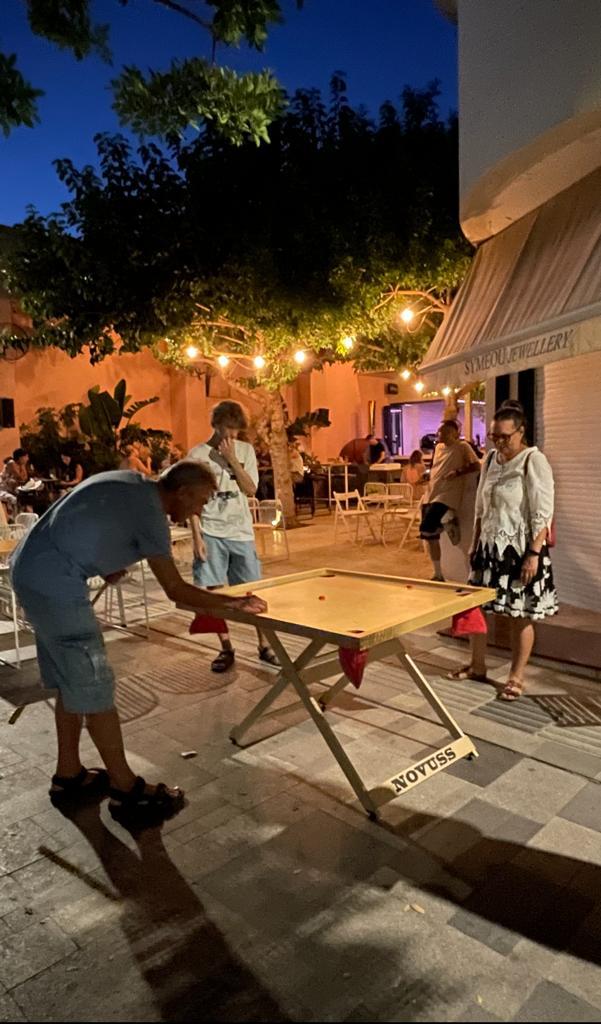
Outside of Latvia, Novuss was particularly embraced by Latvians in exile who felt a close connection to their homeland and its culture through the game. This has led to the formation of several novuss organizations in the United States, Germany, the United Kingdom, and, most recently, Cyprus.
To promote the global development of novuss and raise the skill level of players, the International Novuss Organization (FINSO) (Federation of International Novus Organizations) was founded. Every year, FINSO organizes international tournaments in Europe and the United States, bringing together the best novuss players and promoting this traditional Latvian sport globally.
In today’s digital age, novuss has successfully transitioned to an online platform. It has a strong presence on social media, including YouTube, Facebook, and TikTok, where videos of the game, master classes, and tournament broadcasts are published. In Latvia, novuss events are regularly covered by the television channel Latvija 24, further strengthening the sport’s prestige and recognition in society.
Novuss is an exciting game and part of Latvian identity. It is a tradition that unites generations and peoples around the world.
Novuss is more than just a game—it is a tradition that unites society. It provides an opportunity for people of different ages to spend time together, develop their thinking skills, and improve their ability to cooperate. Novuss clubs and events help people form friendships, reduce loneliness, and maintain an active lifestyle. Novuss plays a particularly important role in diaspora communities, serving as a link to Latvia and the Latvian language and culture. Its simple rules make novuss accessible to everyone, including children, seniors, and people with special needs. Novuss teaches discipline, respect, and patience. It has become a cultural bridge that unites and inspires.
The Latvian Sports Administration provides modest support for novuss championships, offering the necessary infrastructure and resources to host these events and promote the game's accessibility and development.
Local novuss clubs regularly submit applications to local governments requesting support for renting premises and covering heating costs and other practical expenses necessary for organizing competitions and training. Such support helps promote the game.
Novuss enthusiasts keep this sport alive through their perseverance and love of the sport. Their contribution is essential for novuss to survive and develop as a traditional Latvian sport.
Continuation/development
Several activities are planned until 2026 to document and research the history of novuss. In the second half of 2025, historical materials will be collected, including old photographs, game results, press clippings, and interviews with experienced players. The Novusa mantojums (Novuss Heritage) association will lead this effort in collaboration with regional clubs. In parallel with the collection, digitization will begin, including scanning materials, processing videos, and storing them in a data repository. In 2026, an electronic archive will be created, and an exhibition stand will be developed. In cooperation with museums, a traveling exhibition and educational materials for schools are also planned. Funding sources: VKKF project, donations, and municipal co-financing. Attracting EU funds for the research section is also being considered.
1. TECHNICAL DEVELOPMENT OF NOVUS TABLES
Modernize the production of novuss tables by using high-quality materials and the latest technical solutions. The plan is to learn from Indian carrom masters and develop a unified, traditional design concept that will make novuss more visually appealing and competitive on a global scale.
2. CREATION OF VIDEO TRAINING MATERIALS
Create high-quality training videos for newcomers and experienced players to improve their skills and promote the professionalization of novuss.
The Latvian Novuss Federation (LNF) is the central institution that coordinates the development of novuss in Latvia and represents the sport internationally. It is one of the most visible organizations in the virtual environment, regularly publishing game rules, competition calendars, results, and master classes, as well as bringing together players of different levels.
To strengthen the preservation and promotion of novuss as part of Latvia's cultural heritage, the following initiatives will be implemented:
• Implementation of a five-year development plan.
The plan has four main objectives:
• Technical development and modernization of novuss tables;
• Creation of an international online sports platform;
• Development of digital television and live broadcasts;
• Development of training video materials for beginners and professionals.
(A detailed description of the plan is attached.)
MEMORANDUMS OF UNDERSTANDING
Memorandums of understanding have been prepared with the main planned partners:
• Latvian Novuss Federation (LNF);
• Massan.store (novuss table manufacturer);
• SIA “Baltijas Suvenīri” (development of souvenirs and marketing materials);
• Sense Media (training and promotional videos, live broadcasts);
• Tournated (sports platform and rating system).
BROAD COMMUNITY INVOLVEMENT
• Regular working group meetings between the LNF, clubs, associations, and tradition bearers;
• Maintenance of a joint communication platform, use of the LNF website, and social networks, as well as joint events in regions and diaspora communities abroad.
ESTABLISHMENT OF AN INDEPENDENT INTERNATIONAL COMMISSION
The commission will operate based on the World Novuss Union (WNU) or international club representation. The commission aims to ensure the protection of players’ rights, fair competitions, and compliance with ethical principles.
Existing resources and partners with whom additional cooperation is planned:
• Institutions: Latvian Sports Federation Council, municipal sports administrations, and museums;
• Associations and clubs: VPK Novuss Club, Ventspils Novuss Club, Talsi Novuss Club, Kuldīga Novuss Club, Priekule Novuss Club, and Liepāja Novuss Club;
• Masters: leading players, coaches, and table craftsmen;
• Enthusiasts: local organizers and supporters who maintain and develop the tradition day-to-day.
This coordinated approach ensures that novuss is preserved as a sport and develops as a widely accessible, unifying cultural tradition in Latvia and around the world.
The main objective of the events is to promote and preserve novuss as Latvia’s intangible cultural heritage at the national and international levels.
The planned initiatives include:
• Strengthening the preservation and transmission of traditions to future generations, with a particular focus on children, young people, and diaspora communities;
• Creating and maintaining high-quality infrastructure, including modern, visually appealing tables and equipment, as well as an international competition platform, game archive, and video materials;
• Developing learning resources for players of all levels to promote skill improvement and a unified understanding of the game worldwide;
• Strengthening international cooperation with organizations, manufacturers, and media partners by creating a common platform for promoting novuss;
• Promote a healthy lifestyle and social inclusion by using novuss to bring together generations, regions, and nations.
In this way, novuss becomes not only a sport, but also an instrument of culture, education, and community building that strengthens Latvia’s recognition and cultural identity worldwide.
Threats
In today’s fast-paced, digital world, traditional games like novuss face serious challenges: declining attention, changing interests, and younger generations distancing themselves from historical values. However, novuss is more than just a game; it is a cultural heritage that strengthens community ties, promotes intergenerational dialogue, and provides an opportunity to preserve a unique Latvian identity.
Preserving this sport is essential for ensuring both cultural diversity and social cohesion. Novuss unites people of all ages and backgrounds — children, seniors, professionals, and amateurs — in a shared activity that requires physical precision and emotional balance. Its accessibility, simplicity, and playful spirit make it an irreplaceable part of social life, especially in rural areas and diaspora communities.
To preserve this tradition, we must support novuss clubs, promote the game in schools, organize tournaments, and include it in cultural education programs. Only by recognizing the value of this heritage and actively passing it on to future generations can we ensure that Novuss will continue to thrive.
Applicant
Guntars Brālītis
Image Gallery
![result_Reha_Germany[1]](https://nematerialakultura.lv/wp-content/uploads/result_Reha_Germany1-scaled.jpg)
Video materials:
Text Materials

Publications
https://www.ventspils.lv/ventspils-novusam-50-gadi/?utm_source=chatgpt.com
https://www.nepaliecviens.lv/lv/aktualitates/2221-novuss-2022-pilnveidot-saskarsmes-prasmes-un-speles-iemanas?utm_source=chatgpt.com
https://www.lapamuzejs.lv/aicinam-apskatit-menesa-prieksmetu-novusa-turniru-balvu/
Publikācija Latvieši.com Jauns rekords Apvienotās Karalistes novusā Lielbritānija 10. mar. 2025 02.48 https://www.latviesi.com/organizaciju-jaunumi/jauns-rekords-apvienotas-karalistes-novusa
Websites
Novusa turnīri - Saikne, kur apkopojas visi turnīri, sacensības tuvākā, tālākā nākotnē/
Latvijas Novusa Federācija - Sniedz informāciju par kalendārā iekļautiem pasākumiem visa gada garumā!
Ventspils Novusa klubs - Ventspils novusa klubs, kurš nesen nosviunēja 50 gadu jubileju un klubs ar visbāgātāko trofeju klāstu Latvijā.
VPK (Vecais Peteris Krodziņš) - VPK ir vadošais novusa klubs Rīgā. Spēles popularitātes dēļ, tika atrastas plašākas telpas tieši šim sporta veidam. Šobrīd turnīri notiek Viskaļu ielā 36, Rīgā. VPK novusa klubs pateicoties Igoram Bondaram un čakliem entuziastiem attīstījās līdz lielākajam un zināmākajam novusa klubam Latvijā un arī pasaulē. Šobrīd novusa spēles var skatīties TV 4 (sportacentrs.com) kā arī visos populārākajos soc. tīklos un YouTube.
World Novuss Union - Starptautiska organizācija, kura apvieno pasaules labākos spēlētājus. Organizācijai ir radoša pieeja nestandarta situācijās, turnīros pielieto nelielas izmaiņas LNF novusa noteikumos, kuri padara spēli daudz airaujošāku tieši spēcīgu spēlētāju vidē. Iestājas par taisnīgu novusu, kā spēli.
Amerikas novusa Federācija - Sniedz informāciju par visiem notikumiem novusa dzīvē ASV.
Novuss Anglijā - Grupas mērķis ir apkopot visus Lielbritānijas novusa klubu tikšanās un pasākumus vienkopus.
Vaidavas novusa klubs - Viens no labākajiem klubiem Latvijā, pateicoties galdu ražotnei, kas arī atrodas Vaidavā.