
Author:
Edeite Laime, Andra Zubko-Melne, Inga Vigule
Other domains
Oral traditions and their expressions, including language as a vehicle of intangible cultural heritage
Social practices, rituals and festive events
Music/performing arts
Traditional kitchen
Traditional craft skills
Knowledge and practices concerning nature and the universe
Title
Nautrānu kultūrtelpa (2025)
Nautrānu kultūrtelpa, Nautrānu kulturtelpa, Nautranu kulturtelpa, Nautrēnu kultūrtelpa
Lai arī pagastu apzīmējošā vietvārda nosaukums literārajā valodā ir Nautrēni, tomēr atbilstoši valodnieku aicinājumam (t. sk. Valsts valodas centra Latviešu valodas ekspertu komisijas Vietvārdu apakškomisijas ieteikumam) kā oficiālais kultūrtelpas nosaukums būtu lietojams “Nautrānu kultūrtelpa”. Tas attiecas uz plašāku teritoriju, ne tikai šī brīža pagastu.
2025. gada 1. septembrī aprit 100 gadi kopš Zaļmuižas pagasts tika pārdēvēts par Nautrēnu pagastu. Saeima 1924. gadā pieņēma lēmumu par pagastu saraksta apstiprināšanu, tostarp nosakot, ka daudziem pagastiem maināmi nosaukumi. Saeimas stenogrammās ir daudz diskusiju materiāla par to, vai Latgales vietvārdi rakstāmi atbilstoši latgaliešu rakstu valodai, vai latviešu literārajai valodai. Atbalstu toreiz guva viedoklis, ka visā Latvijā jāvadās pēc vienotas (J. Endzelīna) pareizrakstības, līdz ar to pagastu nosaukumi latviskojami un atsevišķiem pagastiem nosaukumi maināmi uz labskanīgākiem, cenšoties izskaust no tiem vārdu ‘muiža’. Jauno nosaukumu maiņa stājās spēkā 1925. gada 1. septembrī, sekojoši – Ludzas apriņķa Zaļmuižas pagastam tika dota Romas katoļu draudzes vārda latviskā forma – tas tika pārdēvēts par Nautrēnu pagastu. Draudze – Nautrānu, bet pagasts – Nautrēnu.
Distribution:
Rēzeknes novada Nautrēnu pagasts, Ilzeskalna pagasta daļa no centra uz ziemeļiem un Ludzas novada Mežvidu pagasta ziemeļu daļa.
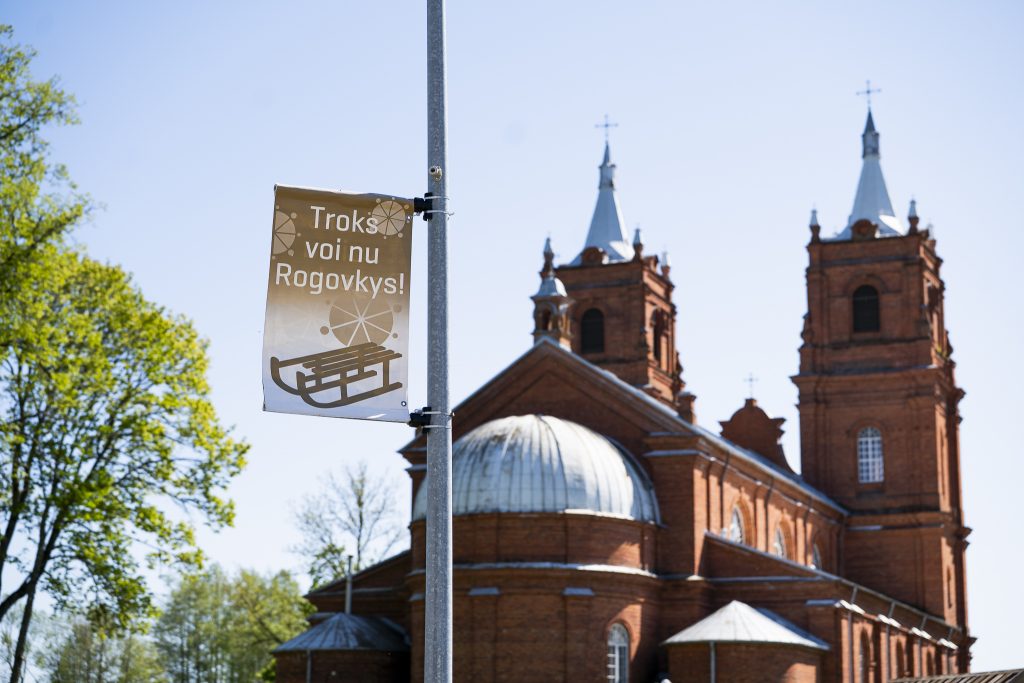
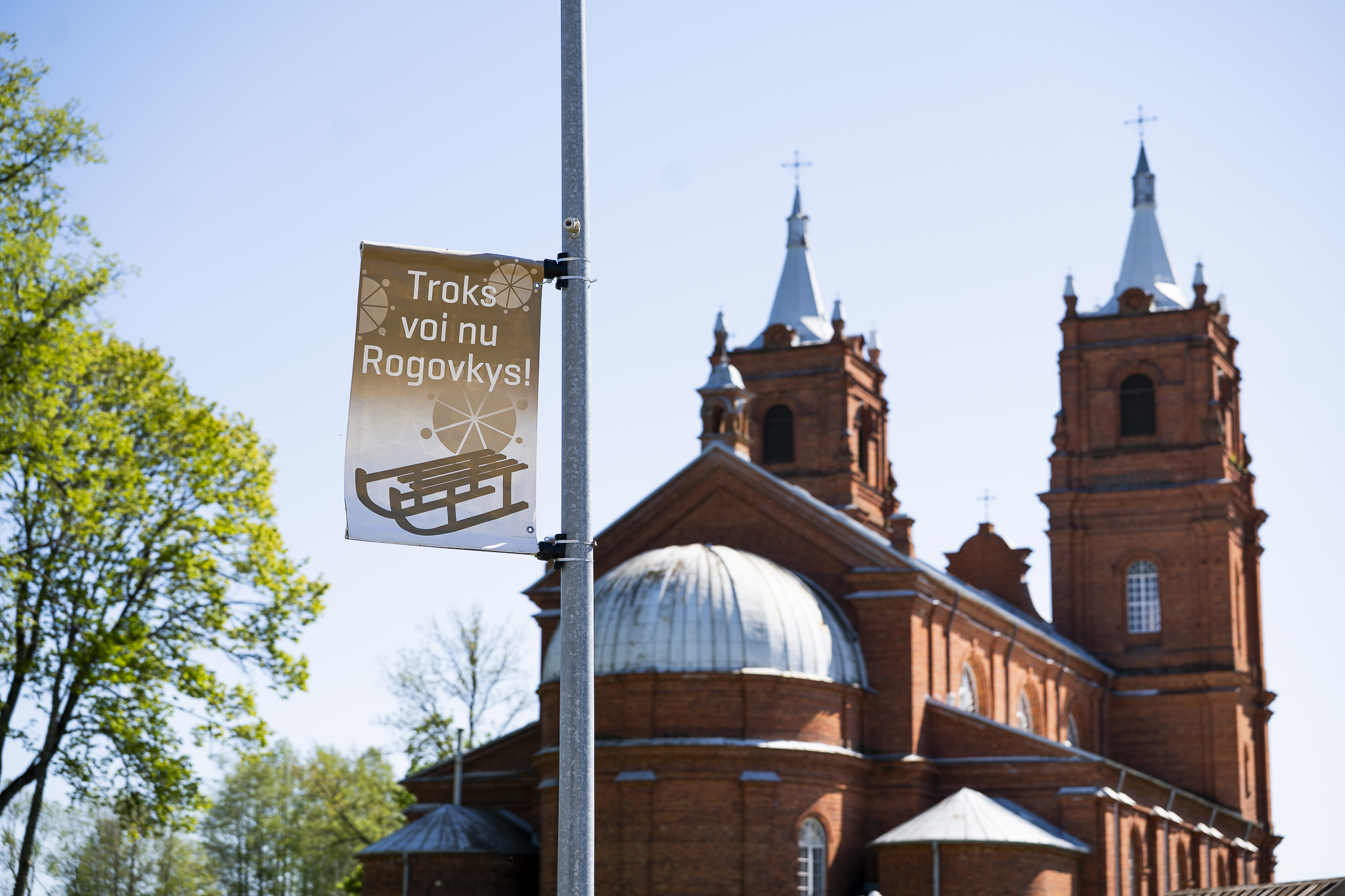
Nautrānu kultūrtelpu veido nepilni divi tūkstoši iedzīvotāju, kurus vieno piederības sajūta vietai, neatkarīgi no tā, vai kāds šobrīd dzīvo kultūrtelpas teritorijā, vai citviet Latvijā un pasaulē. Paši kultūrtelpas iedzīvotāji sevi raksturo kā čaklus, apsviedīgus, lepnus, neatkarīgus, izpalīdzīgus, garā stiprus, stingrus savā pārliecībā, kā tādus, kas nebaidās no grūtībām, taču reizē arī klusus, pieticīgus. Teiciens, kas radies, pieminot izcilo vietējo personību, dziesminieku, taisnības cīnītāju Pīteru Miglinīku (1850–1883), – “Troks voi nu Rogovkys” – pilnībā atbilst vietējo ļaužu būtībai. Viens no svarīgākajiem šo kultūrtelpu raksturojošajiem elementiem noteikti ir latgaliešu valoda – Nautrēnu izloksne. Šī ir viena no latgaliskākajām vietām Latvijā, kur latgaliešu valodu tur godā, nodod nākamajām paaudzēm, padara redzamu un dzirdamu ikdienā, rūpējas par tās skanēšanu valsts līmeņa notikumos.
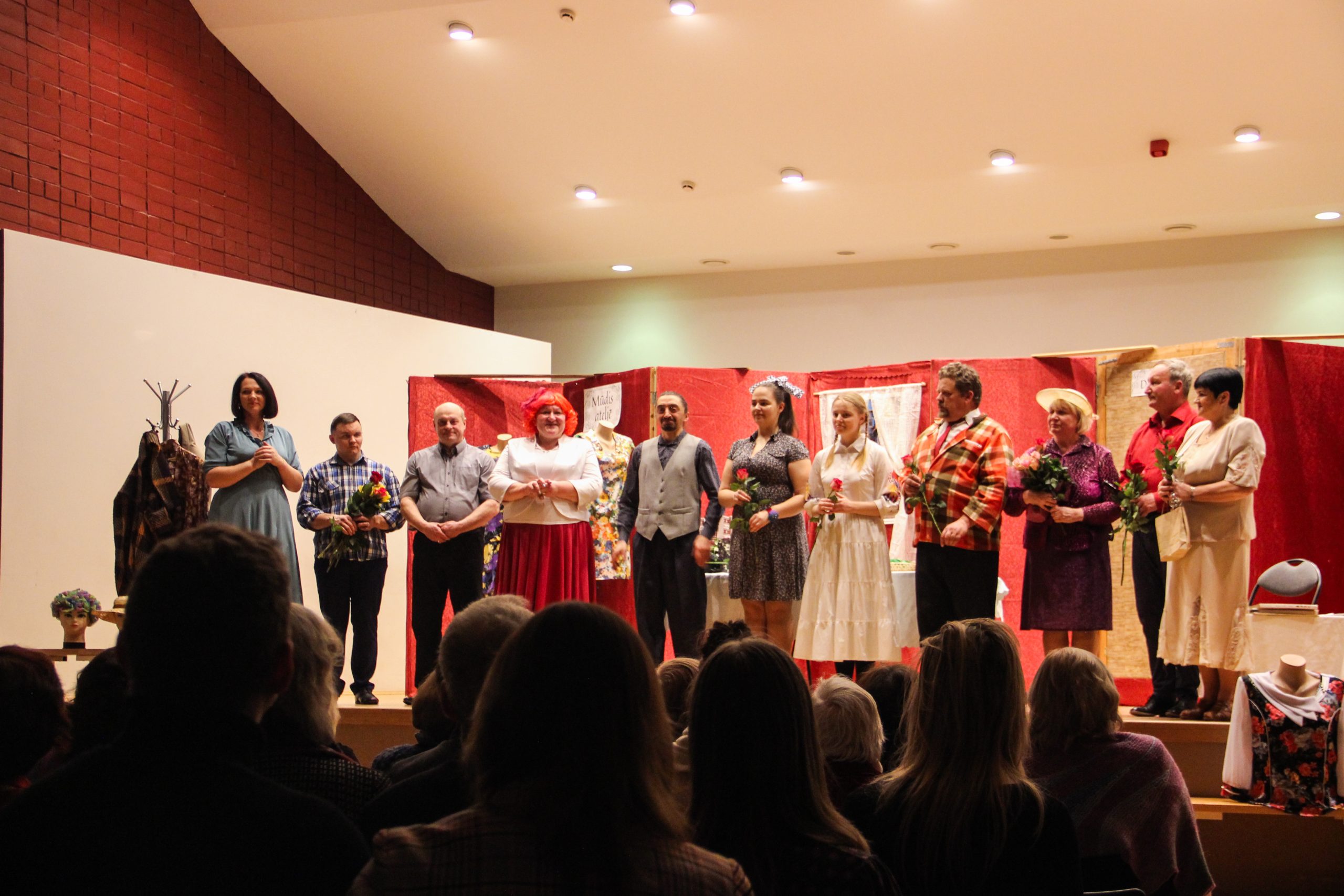
Par Nautrānu kultūrtelpas vērtību saglabāšanu un attīstīšanu rūpējas: Nautrānu kulturys centrys, biedrība “Rogovkīši”, Nautrēnu vidusskola, Nautrēnu pirmsskolas izglītības iestāde “Vālodzīte”, nodibinājums “Latgaliešu valodas, literatūras un kultūrvēstures skolotāju asociācija”, Nautrēnu novadpētniecības centrs, Latgaliešu valodas un kultūrvēstures metodiskais centrs, latgaliešu kultūras kustība “Volūda”, biedrība “Sovim ļaudim”, nodibinājums “Nautrēnu vidusskolas atbalsta fonds”, etnogrāfiskais ansamblis “Rogovka”, Dekteru amatierteātris, Rogovkas dramatiskais kolektīvs, J. Soikāna Ludzas mākslas skolas Nautrēnu filiāle, Ilzeskalna tautas nams, Ilzeskalna folkloras kopa, māksliniece Maija Gailuma, metālkalējs Jānis Ļubka, novadpētniece Andra Zubko–Melne, valodniece Anna Stafecka, valodniece Veronika Dundure, literāte Laura Melne, pētniece Katrīna Kūkoja, Ludboržu ģimene, muzikanti Pēteris Bilinskis, Anna Višķere, Ilzeskalna pagasta bibliotēka, Nautrēnu pagasta bibliotēka un citi.
Aktīva ir arī digitālā kopiena “Nautrēnu cilvēki un notikumi” (ar 1,7 tūkst. interesentu) – grupa sociālajā tīklā “Facebook”, kas paredzēta Nautrēnu dzimtu pētniekiem. “Grupas mērķis ir dalīties ar vēsturiskām fotogrāfijām, notikumiem un stāstiem par nautrēniešiem – mūsu kopīgajiem un mazāk kopīgajiem senčiem.” https://www.facebook.com/groups/586709649212193
Significance in community life
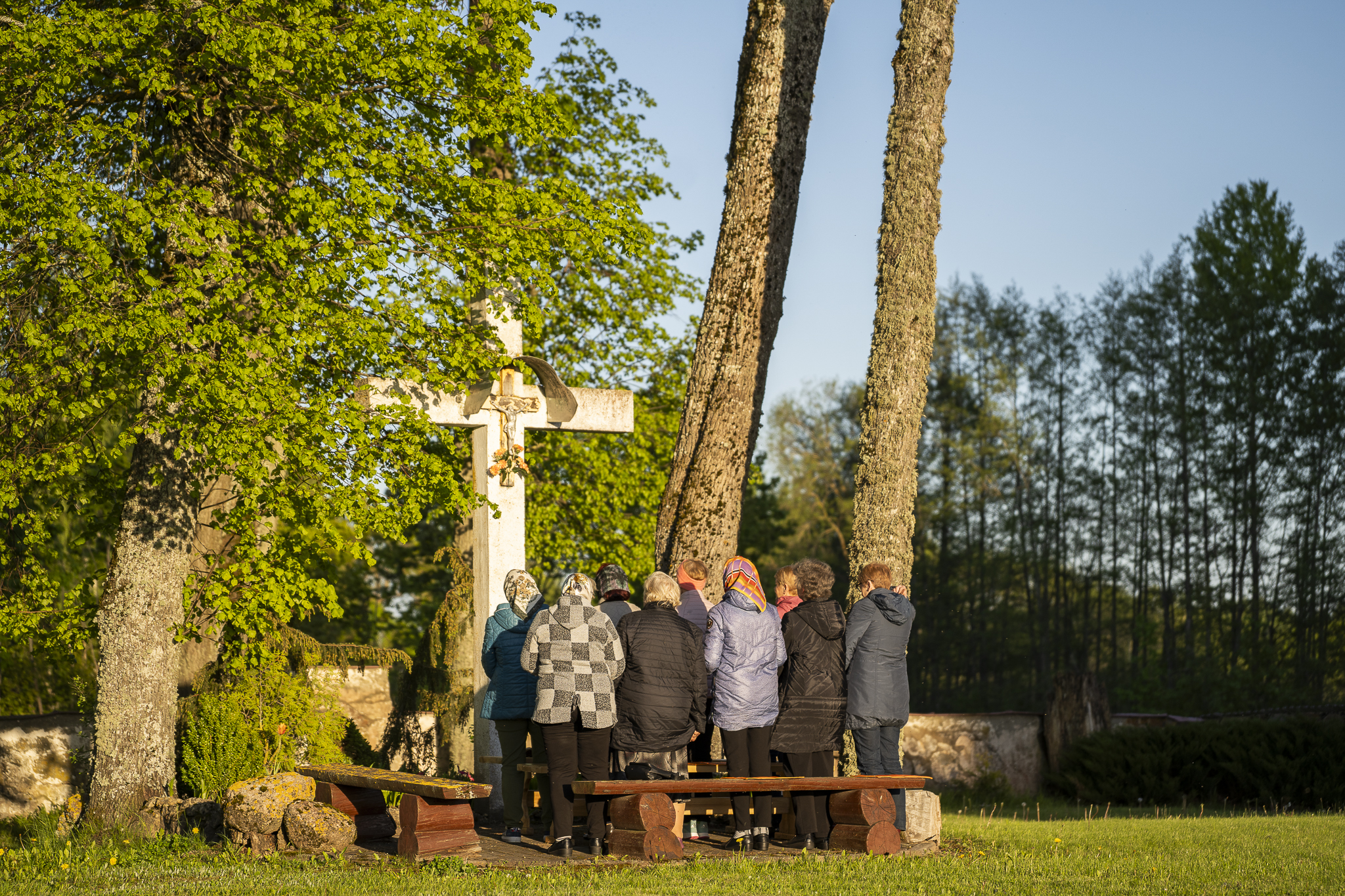
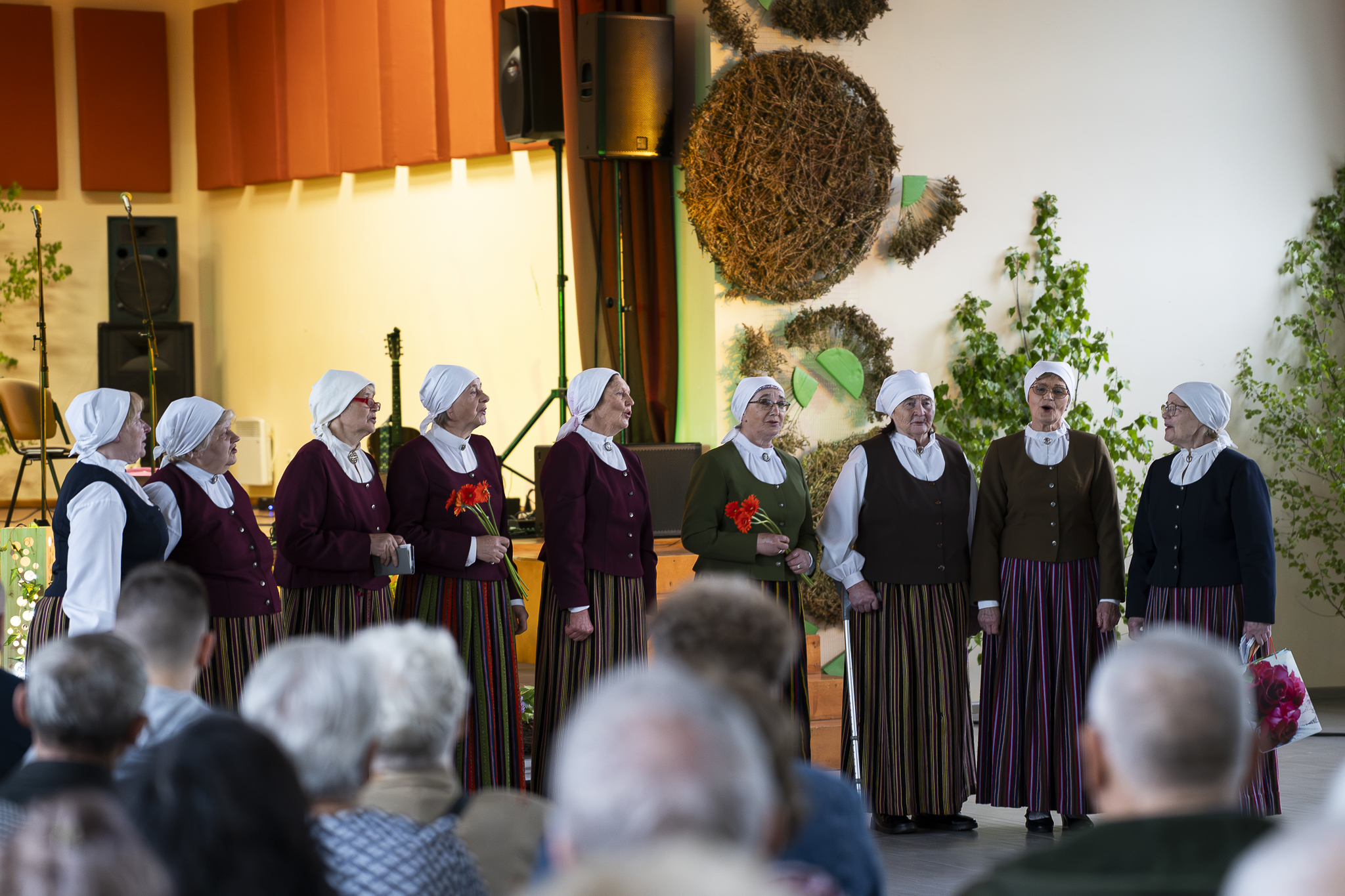
Nautrānu kultūrtelpā neaizmirst vietvārdus, viens otru turpina dēvēt iesaukās, maijā dzied pie krustiem, gādā par savu izcilo literātu devumu un veicina jauna literārā pienesuma rašanos, muzicē un pulcina muzikantus, turpina dziedāšanu, īpaši lolojot kāzu un apdziedāšanas dziesmas, izzina dzimtu un vietas vēsturi, stāsta personību stāstus, vētī, kādas vērtības glabā vietējo ļaužu mutvārdu vākums, spēlē teātri, rada brīnumus mālā, metālā un audeklā, galdā ceļ kikalkas un uļbikus, glabā latgaliešu valodas liecības un sargā, lai tā attīstītos, neaizmirst par Dieva godināšanu un sveicienu sāk ar “Vasals!”. Nautrānus mēdz saukt par “Latgales Piebalgu” – tā ir izcilām personībām, tradīcijām, kultūrvēsturiskiem notikumiem bagāta un koša vieta, kas ar savu “trakumu”, stipro garu un degsmi izceļas citu vietu vidū.
Šobrīd kultūrtelpā rosību uztur Nautrānu kulturys centrys un Ilzeskalna tautas nams, vairākas biedrības, tajā aktīvi iesaistās un to atbalsta pašvaldība, individuālie interesenti, iestādes, organizācijas, kolektīvi, katoļu draudze, uzņēmēji un amatnieki, kopā veidojot latgalisku, tradīcijām un notikumiem bagātu vidi, kura pazīstama visā Latvijā. Tās vērtības balstītas bagātajā kultūrvēstures un literārajā mantojumā, un šīs puses ievērojamo personību devumā, tradīcijās, kas saistītas gan ar katoļu baznīcu, gan ar tradicionālo kultūru un ikgadējiem pasākumiem. Kā piemēri minami tautas muzikantu saiets “Večerinka “O, bļaka!””, literātu konkurss un “Pīterdīna Rogovkā”, ikgadējie uzvedumi. Nautrānu kultūrtelpas īpašā pazīme ir latgaliešu valoda, kas caurvij kopienas dalībnieku ikdienas dzīvi.
Activities
Nautrānu kultūrtelpai svarīgās aktivitātes/darbības var sadalīt vairākās daļās:
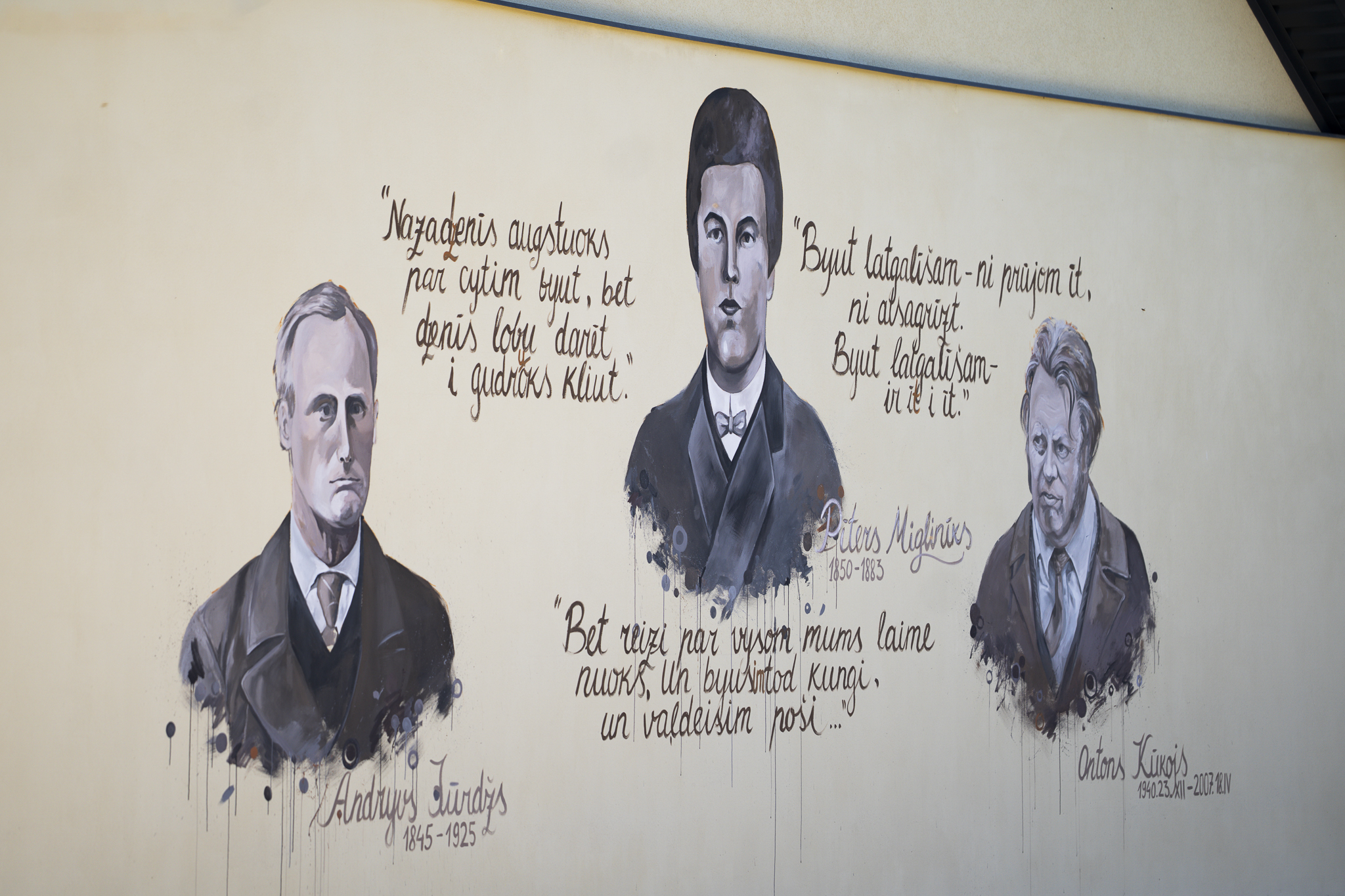
1) Kultūrvēsture un personības. Mantojums, ko atstājušas šīs puses ievērojamās personības, piemēram, rokrakstu literatūras pārstāvis, folkloras vācējs Andrivs Jūrdžs (1845–1925), dzejnieks un sabiedriskais darbinieks Pīters Miglinīks (1850–1883), literāts, priesteris, sabiedriskais darbinieks Nikodems Rancāns (1870–1933), literāts, mākslinieks Antons Kūkojs (1940–2007), dzejnieks Pēteris Jurciņš (1932–2004), fotogrāfs Jānis Gleizds (1924–2010), kino režisors Teuvo Tulio (1912–2000), keramiķis Pēteris Gailums (1962–2017) u. c. Šobrīd kultūrtelpas gada norisēs tiek iekļautas gan šo personību aizsāktās tradīcijas, gan pētīts viņu atstātais mantojums, un veicināta viņu piemiņas saglabāšana. Nautrānu kultūrtelpā notiek spēcīga vietvārdu pētniecība, dzimtu vēstures un vietējās kultūrvēstures izzināšana.
2) Tradīcijas (t. sk. saistītas ar reliģiskajām norisēm) un pasākumi. Līdzās tādiem ikgadējiem tradicionāliem pasākumiem kā tautas muzikantu saiets “Večerinka “O, bļaka!””, rodas jauni, piemēram, erudīcijas spēle “Nu troki gudrys”, veidojot bagātīgu, vietējās vērtības izceļošu gada notikumu ritmu. Tradīcijas un pasākumi daļēji saistīti arī ar kultūrtelpas ievērojamajām personībām, piemēram, Pīterdīnas svinēšana sākotnēji radusies, godinot dzejnieka Pētera Jurciņa piemiņu, ar laiku paplašinoties arī citu Pēteru godināšanas pasākumā. Savukārt “Večerinkas “O, bļaka!”” nosaukums radies no skārda loksnes latgaliskā apzīmējuma (bļaka) tautas muzikantu, saimes un kaimiņu kopējas muzicēšanas laikā Antona Kūkoja dzimtajās mājās, kur bļaka tikusi izmantota kā mūzikas instruments –, uzsitot pa to ar pagali, skaņa bijusi tālu dzirdama. Pēc Antona Kūkoja nāves Nautrēnu pagasta pārvalde iedibināja tradīciju tautas muzikantu saietam ar Antona Kūkoja doto nosaukumu “Večerinka “O, bļaka!””.
Neiztrūkstoša Nautrānu kultūrtelpas vērtība ir arī ar katoļticību saistītās tradīcijas, piemēram, maija dievkalpojumi pie krusta, rožukroņa lūgšanas, saļmu dziedāšana u. tml. un ar tām saistītā pētniecība (piem., krucifiksu apzināšana).
3) Literatūra un valoda. Viena no Nautrānu kultūrtelpas īpašajām pazīmēm ir bagātīgās literatūras tradīcijas, sākot ar rokrakstu literatūru un turpinoties līdz mūsdienu jaunradei. Tiek rīkoti ne tikai piemiņas pasākumi izciliem literātiem, kuru dzimtā puse ir Nautrāni, bet veicināta arī jaunas literatūras rašanās visa reģiona mērogā ar tādiem pasākumiem kā P. Jurciņam veltītais literātu konkurss, dzejas slams “Rogovkys dzejis voga”. Literātu devums regulāri tiek izmantots kultūrtelpā organizētajos pasākumos. Būtiska Nautrānu kultūrtelpas sastāvdaļa ir latgaliešu valodas (Nautrēnu izloksnes) pētniecība un rakstu valodas attīstīšana, tās klātbūtne ikdienā, – tajā runā visas paaudzes, tā ir redzama arī vizuāli. Nautrānu kultūrtelpa ir viena no retajām vietām Latgalē, kur īpaši tiek gādāts par latgaliešu valodas pastāvēšanu un tiek veicināta tās lietošana.
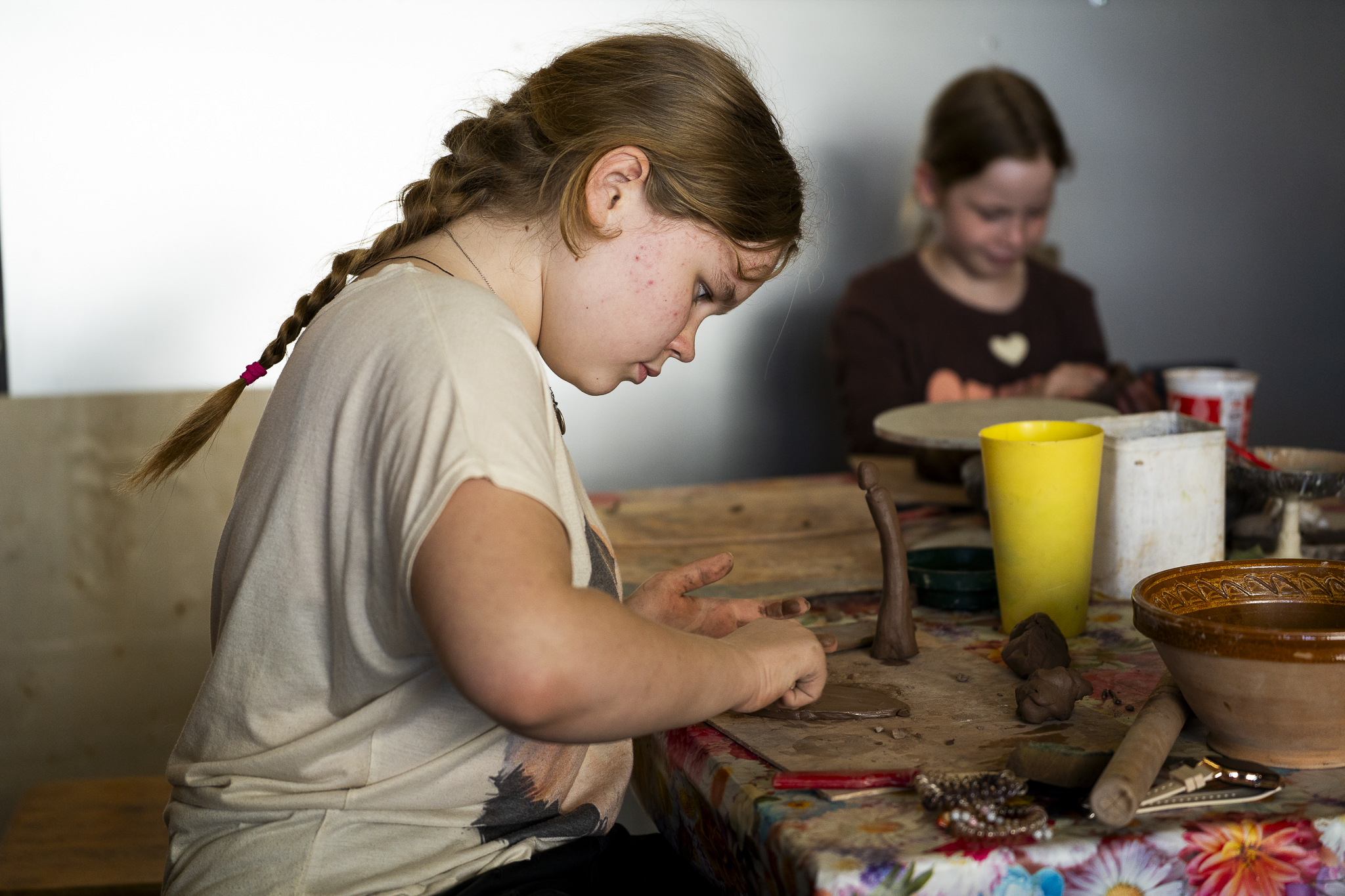
4) Prasmju un zināšanu kopšana un tālāknodošana. Nautrānu kultūrtelpā arvien vēl dzīva ir tradicionālā dziedāšana (īpaši kāzu un apdziedāšanas dziesmas), amatniecība (keramika, kalēja prasmes, kokgriešana, klūgu pīšana u. c.), kulinārā mantojuma uzturēšana, teātra spēlēšana, tautas mūzika un citas prasmes un zināšanas, kuru pārmantošanā tiek iesaistīti arī jaunieši un citi interesenti meistardarbnīcu un dažādu norišu veidā.
Beliefs, rituals, and unwritten rules
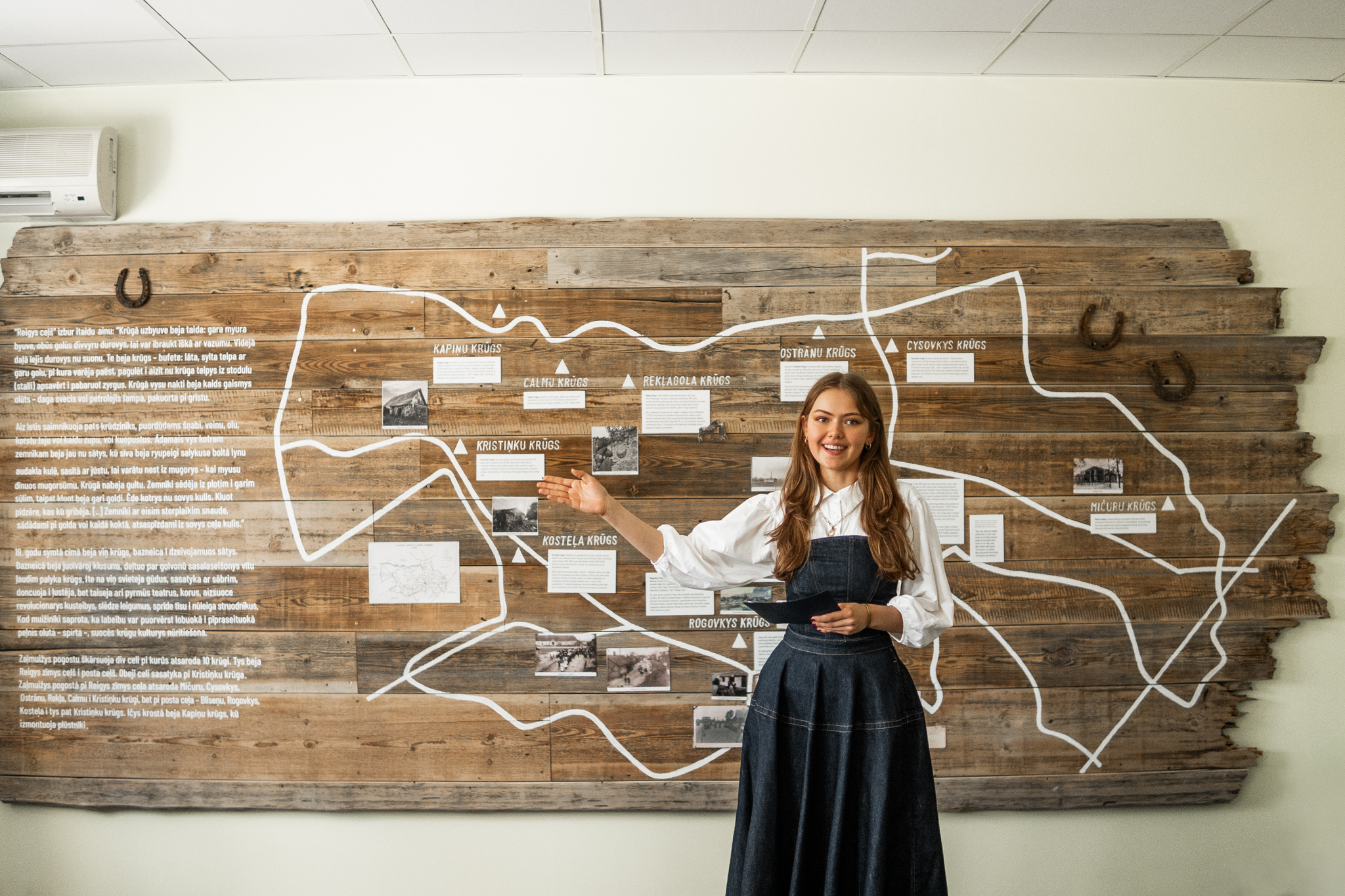
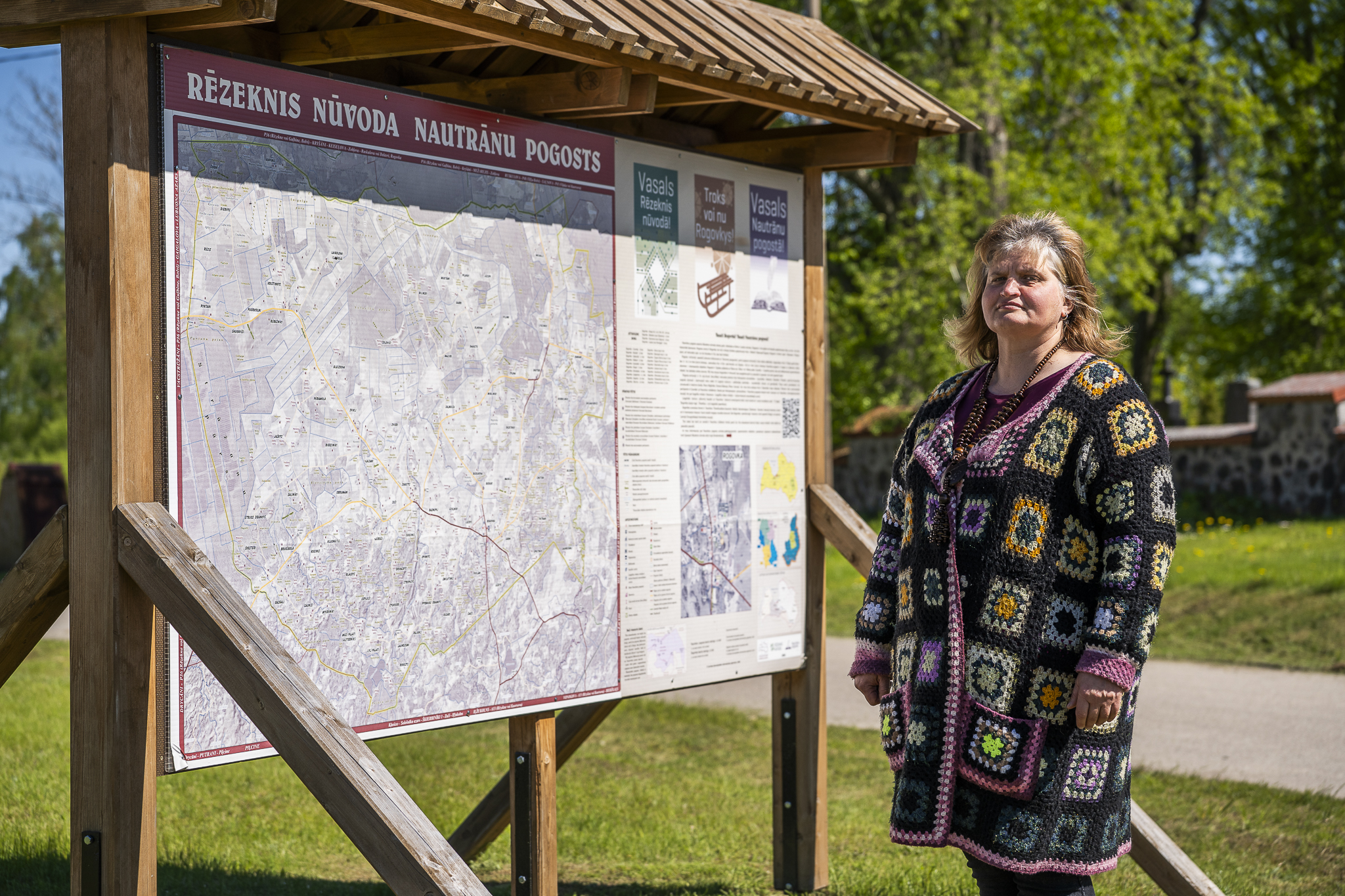
Viena no Nautrānu kultūrtelpas unikālajām vērtībām ir saglabātie vietvārdi (mikrotoponīmi) – tie glabā liecības par savulaik pieejamajiem derīgajiem izrakteņiem, reljefu vai cilvēkiem, kas šajās vietās dzīvojuši. Novadpētnieces, kartogrāfes Andras Zubko-Melnes radītā vietvārdu karte ir unikāla valsts mēroga liecība par vietējiem mikrotoponīmiem.
Nautrānu pusē ierasta lieta ir iesauku lietošana. Kā vietējie smejas: “1989. godā Līsmys golā beja 12 Juoni Belinski! Kai tu jūs rozškiersi?” Tā kāds kļuvis par Smukū puisi, cits par Kriejuma golvu.
Nozīmīga loma kultūrtelpas ikdienas dzīvē ir Nautrēnu (Rogovkas) Vissvētās Jaunavas Marijas bezvainīgās ieņemšanas Romas katoļu baznīcai, kas ir valsts nozīmes mākslas piemineklis, un ar to saistītajām norisēm, kurās aktīvi iesaistās vietējā draudze. Atbilstoši dievnama statusam mises tajā notiek katru darbdienas rītu. Lai tradīcija turpinātos, vietējie iedzīvotāji ir savstarpēji vienojušies, kurš kuru rītu piedalīsies Svētajā Misē. Svētā Antona dienas procesijā, vienā no lielākajiem baznīcas svētkiem, piedalās Nautrēnu pagasta deju kolektīvs “Vasalinki”.
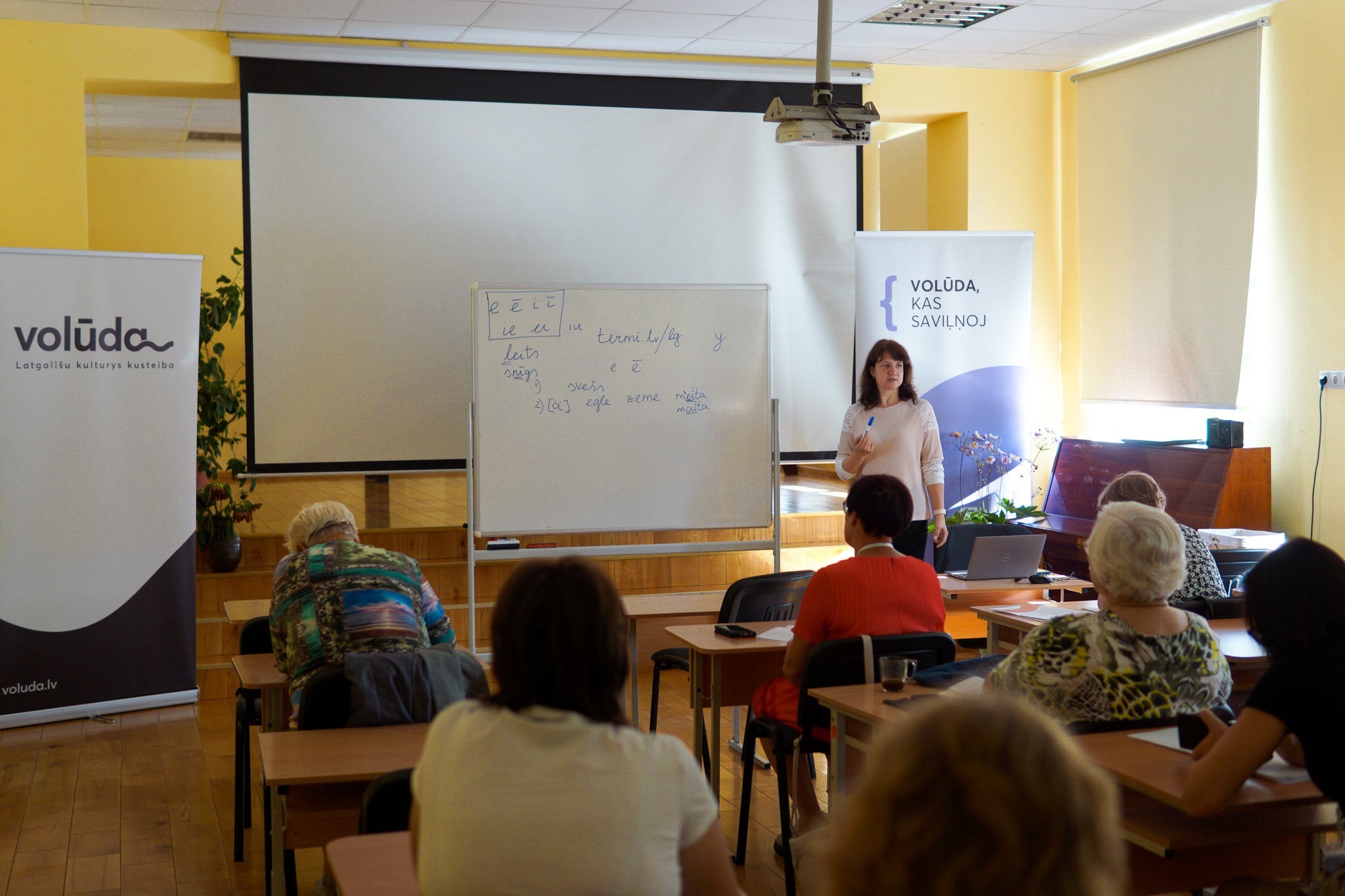
Nautrēni ir vienīgā vieta Latvijā, kurā iespēja fakultatīvi mācīties latgaliešu valodu skolēniem tiek piedāvāta visos izglītības procesa posmos. Lai veicinātu tās lietošanu, piemēram, pirmsskolā, pastāv nerakstīta vienošanās, ka reizi nedēļā (piektdienās) visa komunikācija izglītības iestādē notiek tikai latgaliski.
Inheritance and transmission
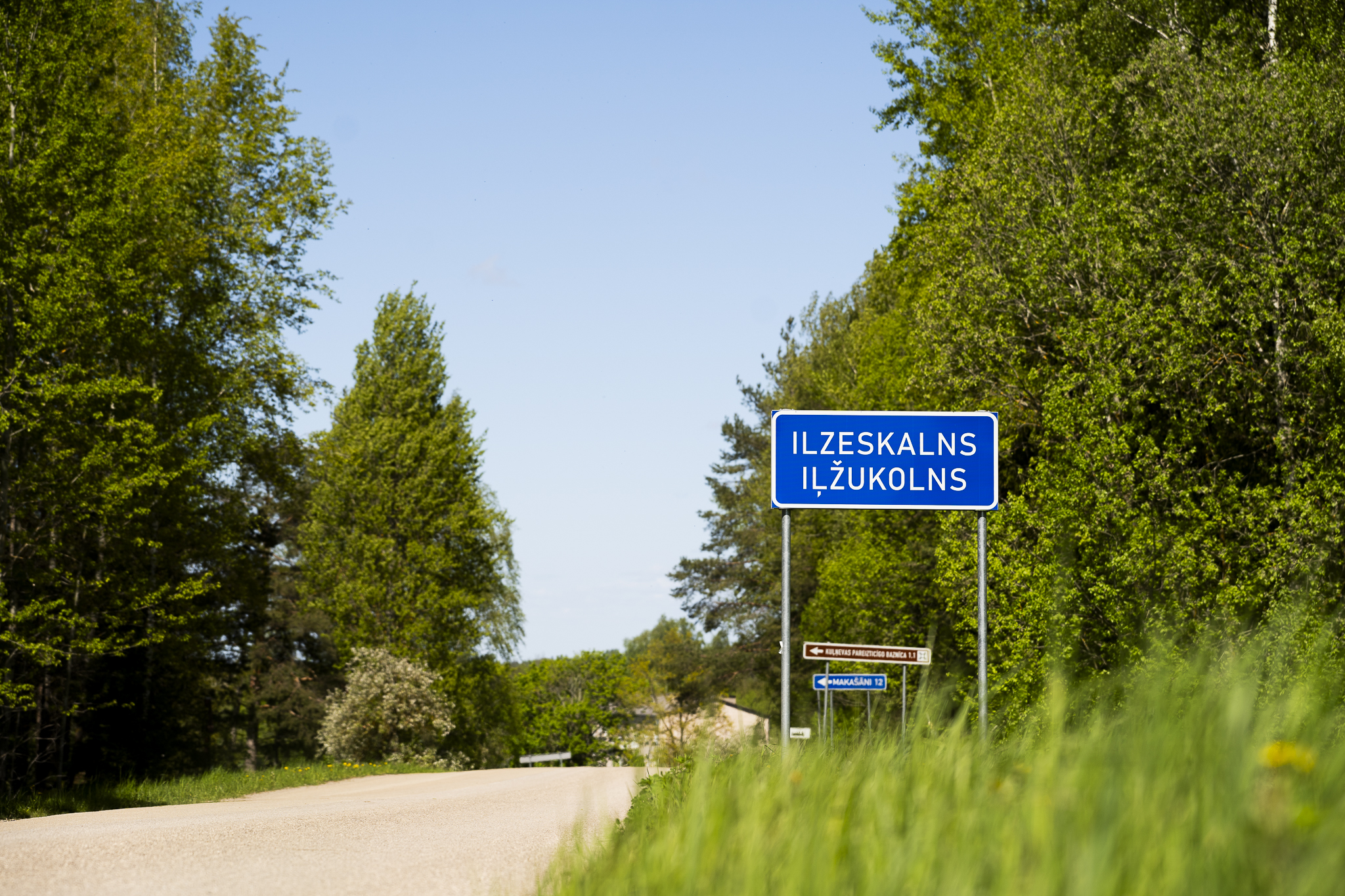
Viena no būtiskākajām aktivitātēm kultūrtelpas tradīciju zināšanai un nodrošināšanai ir bērnu un jauniešu iesaiste, meistardarbnīcu, kursu un publiski pieejamu pasākumu rīkošana. Kā jauna tradīcija atzīmējama Nautrānu kulturys centra rīkotā erudīcijas spēle “Nu troki gudrys”, kurā komandas izzina apkārtnes kultūrvēsturi. Tiek rīkotas radošās darbnīcas pieaugušajiem (darbošanās ar mālu), bibliotēkā notiek tikšanās ar vietējiem literātiem, kultūras notikumu gadu veido vairāki kultūrtelpas personībām veltīti pasākumi, īpaši tiek veicināta jaunu radošo darbu tapšana, kā arī bērnu un jauniešu iesaiste amatiermākslas kolektīvu un pasākumu norisē. Rogovkā katru otro gadu tiek rīkoti latgaliešu valodas un kultūras kursi “Vosoruošona”. Notiek spēcīga dzimtu pētnieku, kultūrvēstures entuziastu un novadpētnieku darbošanās. Viens no darbības virzieniem ir kultūrtelpai nozīmīgo elementu un personību iekļaušana publiskajā vidē (baneri, karte, murāļi), pastiprinātu uzsvaru liekot uz latgaliešu valodas vizuālu parādīšanos vidē (nodrošinot, piemēram, visu pasākumu afišas latgaliski).
History
Vēsturiski Latgales kultūrtelpu veidojusi baznīca, tā Latgalē vienmēr bijusi kultūras centrs, vietējās kultūrvides, vērtību, tradīciju un Latgales latviešu valodas glabātāja un sargātāja. Nozīmīga loma katoļu Baznīcai bijusi ne tikai izglītības veicināšanā, bet arī tautas gara mantu apzināšanā. Vecās lūgšanu grāmatas kalpojušas kā ābeces mājmācībā, to uzdevums bijis iemācīt lasīt lūgšanas un katehismu. Vēlāk ar roku pierakstīti praktiski padomi zemniekiem un folkloras materiāli, tāpēc šodien varam runāt par rokraksta literatūru drukas aizlieguma laikā – to radījuši paši Latgales latviešu zemnieki, parasti būdami bez skolas izglītības. Ievērojamākais no viņiem – nautrānietis Andrivs (Andryvs) Jūrdžs, daudzu biezu rokraksta grāmatu autors, aktīvs baznīcas kora dalībnieks.
Kaut arī Nautrānu vārds tā dažādajos variantos pazīstams jau vairāk nekā 400 gadu, nevienā kartē apdzīvotu vietu ar šādu nosaukumu neatrast. Pagasta centrs, kur atrodas arī Nautrānu baznīca, ir Rogovka. Tas ir salīdzinoši jauns nosaukums, jo Rogovkas ciems sācis veidoties tikai pēc 1799. gada, kad šajā vietā uzcelta Romas katoļu baznīca.
Daudz senāka ir Nautrānu draudzes nosaukuma vēsture. Laika gaitā Nautrānu vārds, cittautiešu rakstīts, ticis dažādi locīts. Pirmais iespējamais nosaukums ir 1583. gada Rēzeknes stārastijas revīzijas protokolā minētais Neuterschen: agros illos Neuterschen dictos possedisse ‘pārvaldījis par Neuterschen sauktos tīrumus’. Arī vēlākajos revīziju dokumentos figurē nosaukumi, kam pamatā sakne Neuter–/Nauter– (sal. latīņu neuter ‘nevienam nepiederošs, neviens no abiem’) un piedēklis –an–.
Mūsdienām raksturīgās pagastu pārvaldes sāka veidoties pēc 1866. gadā izdotā pagastu pašvaldības likuma. Sākotnēji pagasta centrs atradies Zaļmuižā, tāpēc pagasts ieguvis Zaļmuižas nosaukumu. 1925. gada 1. septembrī Zaļmuižas pagastu pārdēvē par Nautrēnu pagastu (pārcēlums latviešu literārajā valodā), bet draudzes nosaukums paliek vietējā latgaliskajā formā – Nautrānu draudze. Nautrānu apvidus teritorija, vienmēr ir izcēlusies ar lielu latviešu un katoļticīgo iedzīvotāju īpatsvaru, gan 1897. gadā, gan 1935. gadā, gan mūsdienās to skaits ir ap 96–98 %.
Nautrānu kultūrtelpa mūsdienās kļuvusi par latgaliskās kultūras raksturīgāko pārstāvi un piemēru, zīmolu un vienu no spilgtākajām vietām reģionā, kur meklēt tradīcijas, dzirdēt dzīvu latgaliešu valodu un piedzīvot, kā tradicionālais kļūst mūsdienīgs, atrodot savu vietu šībrīža ikdienas dzīvē. Bet visam pāri – šeit var sajust stipru pašapziņas un piederības sajūtu. Svarīga loma tajā vēl arvien ir katoļticībai un ar to saistītajām tradīcijām, kultūrvēstures vērtību novērtēšanai, paaudžu komunikācijai un mantojuma tālāk nodošanai. Lai arī kultūrtelpas viendabību ietekmējušas teritoriālās reformas un demogrāfijas izaicinājumi ar iedzīvotāju skaita un jauniešu īpatsvara samazināšanos, tomēr vietējā kopiena nepārstāj aktīvi darboties un turpina savas kultūrtelpas ievērojamo cilvēku aizsākto.
Additional Information
Nautrānu kultūrtelpas teritorijā ir 17 kapsētas – Nautrēnu pagasta teritorijā 11 katoļu un viena pareizticīgo, Ilzeskalna pagasta teritorijā četras katoļu un viena pareizticīgo kapsētas. Visās katoļu kapsētās katru gadu notiek kapusvētki un svecīšu vakari. Kapusvētki ir kopienai nozīmīgs notikums, kas tiek laicīgi plānots. Informācija par svētku datumiem tiek publicēta jau agrā pavasarī. Katrai kapsētai ir kapu saimnieks, kuru ievēl apglabāto cilvēku piederīgie. Kapu saimnieks rūpējas par teritorijas uzturēšanu, vāc ziedojumus kapelu, krucifiksu, kapu žogu remontiem, rīko talkas kapsētas sakopšanai, sadarbojas ar Nautrēnu apvienības pārvaldi par kapsētas labiekārtošanu.
Kultūrtelpā tiek uzturētas bēru tradīcijas, kas saistītas ar bēru rituāliem, piemēram, saļmu (psalmu) dziedāšana aizgājējam, mirušā godināšana Sv. Misē četrdesmitajā dienā pēc aiziešanas mūžībā. Tāpat ierasta ir cienasta pasniegšana turpat pie kapa tiem bēru ceremonijas dalībniekiem, kas ir atnākuši pavadīt aizgājēju, bet uz bēru mielastu nedodas.
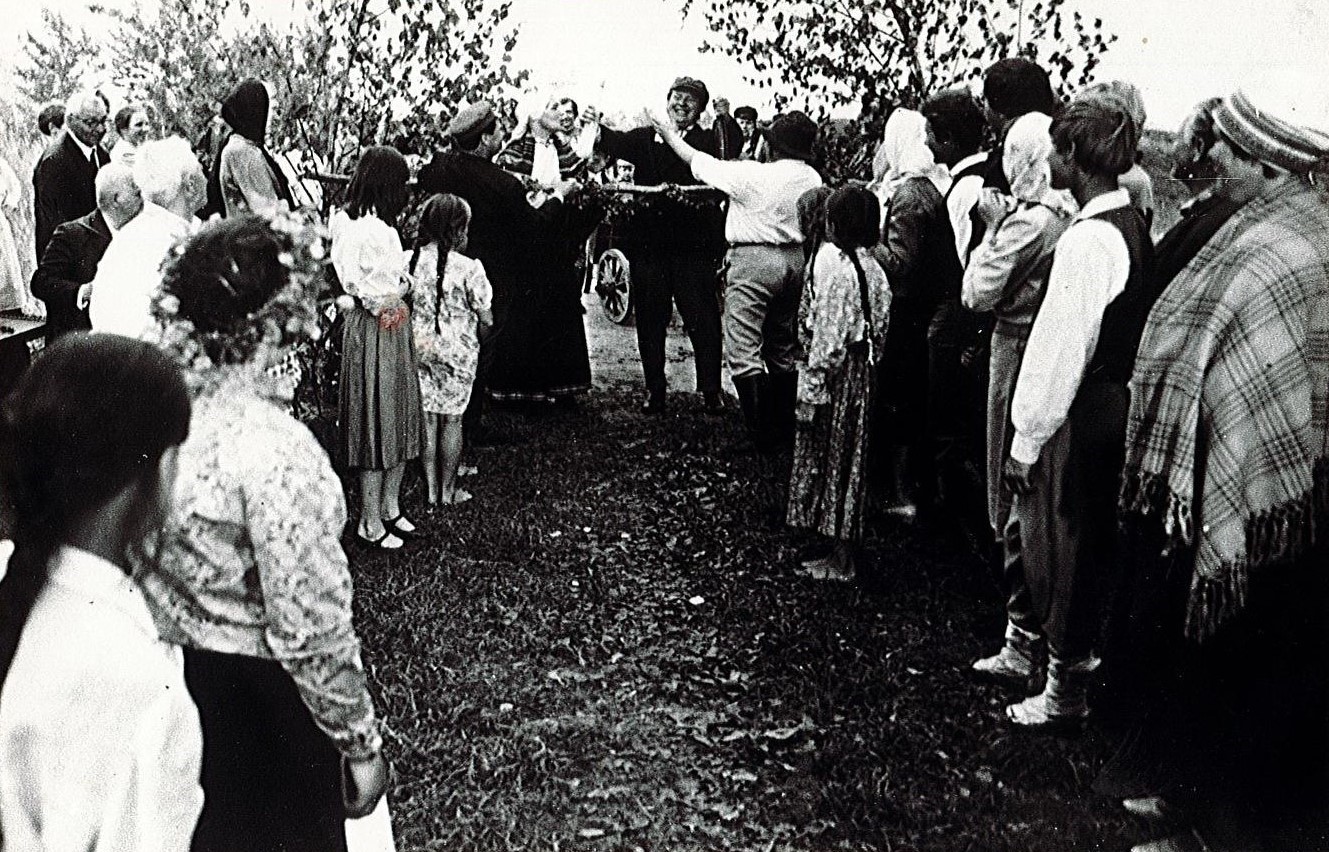
Kāzu tradīcijas. Viena no raksturīgajām Nautrānu kultūrtelpas mūsdienu tradīcijām ir kāzu vārtu taisīšana kāziniekiem. Nautrēnu pagastā ir vietējo iedzīvotāju grupa (apmēram septiņi cilvēki), kas visām kāzām, kas notiek pagastā vai kāzu dienā brauc tam cauri, taisa vārtus, iesaistot bērnus un tematiku pielāgojot jaunā pāra profesijām vai citām raksturīgām nodarbēm. Parasti jaunais pāris nezina, vai vārti būs un kur tie būs.
Kā savulaik rakstījis Antons Kūkojs, “nautrēnieši izsenis slavējušies ar saviem audumiem, jostām, cimdiem, auduši un adījuši ikkatrā sētā. Īpatns ir šīs puses tautas tērps”. Liecības par Nautrānu kultūrtelpas (tieši Nautrēnu un Zaļmuižas) tekstīlijam un tautastērpa elementiem bagātīgi pieejamas Latvijas Nacionālā vēstures muzeja krājumā – aptuveni 70–80 jostas, jostiņas, prievītes un to paraugi, četri brunču auduma paraugi un divi brunči, viena villaine, 12 cimdi, divas zeķes un divi zeķu kāti (LNVM sniegtie dati par krājuma priekšmetiem). Nautrēnu tautastērpa elementu un tekstiliju attēli publicēti vairākos izdevumos, piemēram, “Latviešu tautas māksla” II sējumā (Tekstilijas, 1962) un III sējumā (Apģērbs, 1967), “Latviešu tautas tērpi” (III sējums Zemgale. Augšzeme. Latgale, 2003), “Brunči Latvijā 19. gs.–20. gs. sākumā” (2023), M. Slavas “Latviešu rakstainie cimdi” (1990) un “Latviešu tautas tērpi” (1966).
Nautrēnu novadpētniecības centrā skatāmajās planšetēs, ko 80.–90. gados (trūkst precīzāka datējuma) gatavojis A. Kūkojs, atrodamas liecības par vairākām ievērojamām rokdarbniecēm–audējām (A. Ruduka, V. Viļuma, M. Boļšija, A. Laizāne), adītājām (M. Bautre, L. Voitkāne, T. Kazuša). Mūsdienās informācija par šīm savulaik zināmajām amata pratējām būtu jāatjauno, kā arī jāapzina šībrīža aušanas un adīšanas amata prasmju situācija, – tas varētu būt viens no kultūrtelpas attīstības nākotnes uzdevumiem.
Masters
Nautrānu kultūrtelpai nozīmīgie meistari un kultūrtelpas vērtību sargāšanā un praktizēšanā iesaistītās personas.
AMATNIEKI UN MĀKSLINIEKI:
• Maija Gailuma – keramiķe, floriste, māksliniece;
• Jānis Ļubka – metālkalējs;
• Jurģis un Līga Skabi – klūgu pinēji;
• Leons Jerumāns – bitenieks;
• Arnis Začests – kokgriezējs mākslinieks;
• Eduards Kukurs – gleznotājs;
• Dzidra Igaune – rokdarbniece.
MUZIKANTI UN DZIEDĀTĀJI:
• Pēteris Belinskis – muzikants;
• Anna Višķere – muzikante, dziedātāja, Ilzeskalna pagasta kultūras pasākumu organizatore;
• Vinsents Kūkojs – tautas muzikants, dziesminieks;
• Iveta Magiča – tautas muzikante;
• Jānis Laurs – muzikants;
• Jānis Belinskis – tautas muzikants;
• Ivars Rjabovskis – muzikants;
• Anna Garanča – etnogrāfiskā ansambļa “Rogovka” vadītāja, maija dievkalpojumu pie krusta tradīcijas zinātāja, ērģeļniece;
• Sovvaļnīks jeb Ingars Gusāns – mūziķis;
• Antons Gleizds – tautas muzikants;
• Dzidra Kotova – tautas muzikante, garīgie dziedājumi, psalmi;
• Anna Ivone – garīgie dziedājumi;
• Veronika Uļjāne – vecmeistare (garīgie dziedājumi, psalmi).
VALODNIEKI, LITERĀTI UN PĒTNIEKI:
• Andra Zubko–Melne – novadpētniece, kartogrāfe;
• Anna Stafecka – valodniece, Nautrēnu izloksnes pētniece;
• Anna Rancāne – literāte un publiciste;
• Laura Melne – literāte, latgaliešu rakstu valodas pārzinātāja;
• Anita Ludborža – novadpētniece;
• Mārīte Zubko – novadpētniece;
• Veronika Dundure – valodniece, latgaliešu valodas un Nautrēnu kultūrvēstures pētniece;
• Amanda Ludborža – Zaļmuižas krogu pētniece;
• Sandis Laime – folkloras pētnieks, Nautrānu kultūrtelpas folkloras vākumu eksperts;
• Katrīna Kūkoja – rokrakstu literatūras pētniece;
• Laura Bringina – Nautrēnu dzimtu pētniece;
• Ēriks Začs – dabas pētnieks;
• Juoņs Rancāns – kolekcionārs.
CULTURAL AND SOCIAL WORKERS:
• Inga Vigule – Nautrēnu pagasta kultūras pasākumu organizatore, kultūras projektu vadītāja;
• Ērika Bozoviča – Nautrēnu pagasta Dekteru amatierteātra vadītāja;
• Maruta Miščenko – Nautrēnu pagasta Rogovkas dramatiskā kolektīva vadītāja;
• Ingūna Ludborža – Nautrēnu vidusskolas skolēnu deju kolektīva “Sprigači”, deju kolektīva “Vasalinki” un jauniešu deju kolektīva “Troks voi” vadītāja;
• Līvija Plavinska – ilggadēja Nautrēnu apvienības pārvaldes vadītāja, biedrības “Latgaliešu kultūras biedrība” locekle;
• Terēze Kūkoja – biedrības “Rogovkīši” locekle, kultūras projektu vadītāja;
• Marija Mazure – biedrības “Rogovkīši” valdes locekle, kultūras projektu vadītāja;
• Daiga Miščenko – Rēzeknes novada Kultūras un tūrisma pārvaldes vadītāja;
• Edeite Laime – Latgaliešu kultūras kustība “Volūda”, kultūras projektu vadītāja;
• Juris Kravalis – prāvests: Nautrēnu Vissvētās Jaunavas Marijas bezvainīgās ieņemšanas draudze, Mežvidu Skapulāra Dievmātes draudze, Ilzeskalna kapela.
ENTREPRENEURS:
• Jūlija un Aleksejs Danilini – z/s “Liepkalns”;
• Aija Rancāne – lavandu lauks “Lavandrūtas”;
• Gunta Hjusa un Ansis Grins, z/s “Dzeneiši” – ekosaimniecība;
• Miervaldis Ludboržs – veikals “SILS” (ekspozīcija par Zaļmuižas krogiem);
• Daina un Marta Zvejsalnieces – Dainas dārznieku skola.
KULINĀRO TRADĪCIJU UZTURĒTĀJI:
• Vija Škestere – godu saimniece;
• Pēteris Pujats – alus brūvētājs;
• Ivars Aizezers – alus brūvētājs;
• Arvīds Pujats – alus brūvētājs.
Institutions and organizations
Nautrānu kultūrtelpas nemateriālā kultūras mantojuma saglabāšanā, attīstīšanā un atbalstīšanā iesaistītās institūcijas:
• Rēzeknes novada pašvaldība;
• Nautrēnu apvienības pārvalde;
• Nautrānu kulturys centrys;
• Biedrība “Rogovkīši”;
• Nautrēnu vidusskola;
• Nautrēnu pirmsskolas izglītības iestāde “Vālodzīte” un filiāle Ilzeskalnā;
• Nodibinājums “Latgaliešu valodas, literatūras un kultūrvēstures skolotāju asociācija”;
• Nautrēnu novadpētniecības centrs;
• Latgaliešu valodas un kultūrvēstures metodiskais centrs;
• Latgalīšu kulturys kusteiba “Volūda”;
• Biedrība “Sovim ļaudim”;
• Nodibinājums “Nautrēnu vidusskolas atbalsta fonds”;
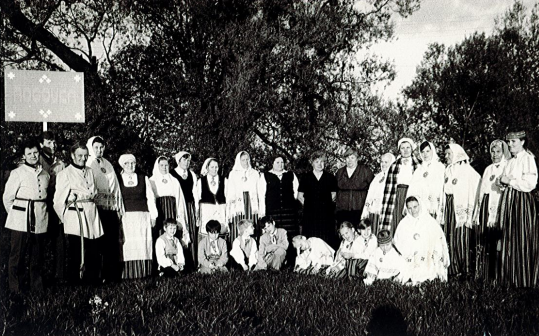
• Etnogrāfiskais ansamblis “Rogovka”;
• Dekteru amatierteātris;
• Rogovkas dramatiskais kolektīvs;
• Nautrēnu vidusskolas tautas deju kolektīvs “Sprigači”;
• Nautrēnu pagasta deju kolektīvs “Vasalinki”;
• Nautrēnu pagasta jauniešu deju kolektīvs “Troks voi”;
• J. Soikāna Ludzas mākslas skolas Nautrēnu filiāle;
• Ilzeskalna tautas nams;
• Ilzeskalna folkloras kopa;
• Ilzeskalna pagasta bibliotēka;
• Nautrēnu pagasta bibliotēka;
• Latvijas Universitātes Literatūras, mākslas un folkloras institūta Latviešu folkloras krātuve.
Consolidation:
Līdz šim gan organizācijas un iestādes, gan individuālie aktīvisti darbojušies katrs savā interešu laukā, nodrošinot Nautrānu kultūrtelpas vērtību saglabāšanu. Kultūrtelpā izveidojies gada notikumu ritms, kurā ietilpst gan speciāli organizētie tradicionālie pasākumi, piemēram, tautas muzikantu saiets “Večerinka O, bļaka!”, Pīterdīna Rogovkā, literātu konkurss, erudīcijas spēle, latgaliešu dzejas slams, ērģeļmūzikas koncerti, amatnieku un muzikantu meistardarbnīcas u. tml., gan arī tādas tradicionālās un nosacīti “dabiskās” norises kā, piemēram, maija dievkalpojumi pie krustiem vai amatnieku un citu nemateriālā kultūras mantojuma saglabātāju darbošanās. Viena no redzamākajām aktivitātēm ir pastiprinātā latgaliešu valodas izmantošana publiskajā vidē (afišās, baneros u. tml.), kas palīdz stiprināt vietējās valodas kā vērtības apziņu kopienas vidū. Valoda ir būtisks elements kultūrtelpas pastāvēšanā, liela loma tās saglabāšanā ir vietējām izglītības iestādēm, tās ir paraugs latgaliešu valodas apguves veicināšanā arī citām reģiona izglītības iestādēm.
Līdz šim paveiktais nodrošinājis Nautrānu kultūrtelpas stabilu attīstīšanos, jaunu interesentu un organizāciju iesaistīšanos kultūrtelpas tradicionālo norišu rīkošanā, dokumentēšanā un publicitātes uzlabošanā, attīstījusies pētniecība. Viens no būtiskākajiem aspektiem, kas rada augstu aktivitāti un iesaisti, ir piederības sajūta ģeogrāfiskajai vietai, misijas apziņa un vēlēšanās turpināt iesākto.
Līdz šim Nautrānu kultūrtelpas pasākumi un pētniecības darbi īstenoti gan ar vietējās kopienas un Rēzeknes novada pašvaldības atbalstu un finansējumu, gan atsevišķu norišu īstenošanai piesaistot dažādu fondu finansējumu. Katru gadu organizācijas un iestādes īsteno vairākas Latgales kultūras programmas, Valsts kultūrkapitāla fonda un citu finansētāju atbalstītus projektus – 2024. gadā, piemēram, atbalstu saņēma projekts Zaļmuižas krogu ekspozīcijas veidošanai, P. Jurciņam veltītā literātu konkursa projekts, kā arī projekti notikuma “Pīterdīna Rogovkā” un dzejas slama “Rogovkys dzejis voga” rīkošanai, projekts Andriva Jūrdža rokrakstu digitalizēšanai, projekts latgalisko baneru izvietošanai un citi projekti. Kultūrtelpas norises atbalsta un tajās iesaistās arī Andriva Jūrdža dzimtas pēctecis, ASV dzīvojošais mecenāts Pīters Ragaušs.
Continuation/development
Jau šobrīd iestādes, organizācijas un aktīvisti, kas darbojas Nautrānu kultūrtelpā, dažādos veidos informē sabiedrību un publiski stāsta par paveiktajiem darbiem, par pasākumiem, kas tiek rīkoti, par jaunajām iniciatīvām. Kultūrtelpas aktīvistu un organizāciju vidū ir gan spēcīgi novadpētnieki, gan specifisku jomu pētnieki (literatūra, valoda, folklora), gan organizācijas, kuras interesē kultūrtelpas mantojuma dokumentēšana, pētniecība un publicitātes vairošana. Viens no turpmākajiem pētniecības virzieniem ir, piemēram, sadarbība ar Latviešu folkloras krātuvi, lai apzinātu to folkloras vākumu, kuram nepieciešama tālāka apstrāde. Ir iesākti darbi pie rokrakstu literatūras pētniecības. Tiek gatavots izdevums par Pītera Miglinīka dzimtu. Lai veicinātu dokumentēšanu un atpazīstamību, plānots izveidot digitālu platformu, kurā tiktu publicēti stāsti, materiāli un tā bagātīgā informācija, kas pieejama gan par kultūrtelpas ievērojamajām personībām, gan par notikumiem.
Viens no svarīgākajiem uzdevumiem kultūrtelpas attīstīšanas procesā ir sadarbības veicināšana kopienā, un tas ietver sevī regulāras kopīgas apspriedes par stratēģiju, turpmākajiem soļiem un darbības virzieniem, kuros pēc kopienas aktīvistu domām šim procesam vajadzētu virzīties. Principiāli svarīgi būtu šo stratēģiju nostiprināt Rēzeknes novada pašvaldības plānošanas dokumentos, kā arī uzrunāt Ludzas novada pašvaldību – tas kultūrtelpā aktīvāk iesaistītu to teritorijas ģeogrāfisko daļu, kas atrodas cita novada pašvaldības pārziņā, vēsturiski esot saistīta ar Zaļmuižas pagastu. Nautrānu kultūrtelpā darbojas vairākas vadošas valsts mēroga nevalstiskās organizācijas latgaliešu valodas jautājumos, ir nepieciešams šīs organizācijas iepazīstināt ar dažādiem šīs valodas pastāvēšanas aspektiem.
Kā viens no būtiskākajiem apdraudējumiem kultūrtelpas attīstībā ir cilvēku skaita samazināšanās, tādēļ īpaši svarīgi ir turpināt bērnu un jauniešu iesaisti ar tradicionālo kultūru, literatūru un valodu saistītos pasākumos. To nodrošinātu ciešāka organizāciju un iestāžu sadarbība ar kultūrtelpā esošajām izglītības iestādēm.
Gan dokumentēšanas un pētniecības, gan aizsardzības un attīstīšanas pasākumu mērķis ir Nautrānu kultūrtelpas stiprināšana – iedzīvotāju, organizāciju, iestāžu un citu iesaistīto pašapziņas stiprināšana, esošo nemateriālā kultūras mantojuma vērtību saglabāšana, tālāk nodošana un popularizēšana. Kultūrtelpas pieteikumam pievienoti dokumenti, kuros pausta organizāciju, iestāžu un aktīvistu apņemšanās un izklāstīti darba virzieni turpmākajiem pieciem gadiem – visu šo pasākumu mērķis ir kopīgiem spēkiem stiprināt piederības apziņu un kultūrtelpas aktivitātēs iesaistīt arvien vairāk vietējo interesentu un organizāciju, lai saņemtu vēl lielāku atbalstu no malas. Ar Nautrānu kultūrtelpas piemēru mēs gribam iedvesmot arī citas kopienas Latgalē apzināt, stiprināt un nodot nākamajām paaudzēm savas vērtības.
Threats
Kā būtiskākais apdraudējums Nautrānu kultūrtelpā minama iedzīvotāju skaita samazināšanās un novecošanās, tāpat skolu tīkla optimizācijas plāni un vidusskolas slēgšanas risks. Nautrēnu vidusskola šobrīd ir būtisks balsts jauniešu noturēšanā un latgaliešu valodas saglabāšanā. Pie apdraudējumiem minama arī kopienas aktīvistu kapacitāte, spēks un degsme kultūrtelpas tradīciju uzturēšanai un rīkošanai (svarīgi, lai saglabājas vismaz līdzšinējā līmenī, aktīvisti neizdeg), tāpat būtisks aspekts ir kopienas spēja piesaistīt profesionālus speciālistus (īpaši kultūrtelpas mantojuma un norišu dokumentēšanai, profesionālai pētniecībai), ko nākotnē vajadzētu stiprināt.
Applicant
Rēzeknes novada pašvaldības iestāde “Nautrēnu apvienības pārvalde” (40900027430)
Image Gallery
Audio Materials
Video materials:
Text Materials

Publications
Stafecka, A., (2016). Latgales latgaliskā izloksne: Nautrēni. Nautrēnu izloksnes paraugi. Avoti vēl neizsīkst. Latviešu valodas dialekti 21. gadsimtā. Rīga: LU Latviešu valodas institūts, 370.–459. lpp.
Stafecka, A. (1999). Nautrāni – netipisks vietvārds vai toponīmijas mīkla? – Integrācijas problēmas mūsdienās. Starptautiskās zinātniskās konferences materiāli. – Rēzekne: RA, 18–20. lpp.
Stafecka, A. (1999). Izloksnes un rakstu valodas saskarsme A. Jūrdža rokraksta kalendāros. Vārds un tā pētīšanas aspekti. Rakstu krājums, 3. – Liepāja: LPA, 179.–185. lpp.
Stafecka, A. (2002). Zemes reljefa apzīmējumi Nautrānu vietvārdos. Vārds un tā pētīšanas aspekti. Rakstu krājums 6. – Liepāja: LPA, 46–52. lpp.
Stafecka, A. (2003). Augu, koku un mežu nosaukumi Nautrānu vietvārdos. Vārds un tā pētīšanas aspekti. Rakstu krājums 7. – Liepāja: LPA, 93.–99. lpp.
Jūrdžs, A. (1999) Myužeygays kalinders (Latgales rokraksta literatūras pirmpublicējums. A. Stafeckas ievads, komentāri un īpatnējo vārdu vārdnīca). – Rēzekne: LKC izdevniecība, 815. lpp.
Stafecka, A. (2009) Ieskats Nautrānu neoficiālajos mājvārdos. Vārds un tā pētīšanas aspekti. – Nr. 13: Vārds gramatikā un stilistikā. Vārda diahroniskais un areālais aspekts (2009), 317.–325. lpp.
Stafecka, A. (2012). Par dažiem Nautrānu vietvārdiem arhīvu materiālos. Vārds un tā pētīšanas aspekti. – 16.sēj., 1.d.: Fonētika, gramatika, leksika, stilistika. Vārda diahroniskais un areālais aspekts, 283.–290.lpp.
Cybuļskis, J. (2020 [1975]). Andryvs Jūrdžs. Rēzekne: Latgolas kulturas centra izdevnīceiba
Cybuļskis, J., Cybuļskis V. (2022). Atmiņuos Latgolā. Latgalian Memories. Rēzekne: bīdreiba “LgSC”
Mazure, M., Kūkoja, T. (2017). Večerinka nautranīšūs. Rēzekne: bīdreiba “Rogovkīši”
Websites
Raidījums “Latgolys rūbežys vaicojūt: Troks voi nu Rogovkys” - Latgales reģionālās televīzijas video stāsts par Rogovku. Sarunas ar Nautrēnu vidusskolas skolotāju, etnogrāfiskā ansambļa “Rogovka” vadītāju, ērģelnieci Annu Garanču, literāti un publicisti Annu Rancāni, Nautrēnu vidusskolas skolotāju, muzeja vadītāju Mārīti Zubko, metālkalēju Jāni Ļubku un citiem dažāda vecuma vietējiem ļaudīm.
Raidījums “Kolnasāta”. Suprātkys Rogovkā - Saruna ar Nautrēnu pagasta cilvēkiem par dzīvi šajā pusē, tradīcijām un valodu.
Metālkalējs Jānis Ļubka - Mācību filma par metālkalēja amatu.
Nautrēnu vietvārdu karte - Novadpētnieces Andras Zubko-Melnes sagatavotā Nautrēnu vietvārdu karte.
Andryva Jūrdža rokraksti un izdevums “Myužeygays kalinders ar sayminiceybas iwirojumim por wyssu godu” - Digitalizēti latgaliešu literāta un gŗāmatnieka Andriva Jūrdža (Andryvs Jūrdžs, 1845–1925) rokraksti un izdevums “Myužeygays kalinders ar sayminiceybas iwirojumim por wyssu godu” (1916).
LTV1 raidījums “Cytaidi latviskais” par Pīterdīnu Rogovkā - LTV1 raidījums “Cytaidi latviskais. Latgales godi” viesojas Pīterdīnā Rogovkā. Saruna ar zemnieku Pēteri Gutāni, muzikantu Pēteri Belinski un citi Nautrēnu puses Pēteriem veltīti stāsti.
Rogovkas etnogrāfiskais ansamblis - Etnogrāfiskā ansambļa vēsture un ieraksti Latvijas Universitātes Literatūras un mākslas institūta Latviešu folkloras krātuves digitālajā arhīvā.
TV sižets par 14. tautas muzikantu saietu “O, bļaka!” - “O, bļaka!” ir tautas muzikantu saiets, kas Rogovkā katru gadu pulcina dažādu instrumentu spēlētājus, dziesminiekus un viesus no visas Latvijas.
Raidījuma “ŽIK!” viesošanās zemnieku saimniecības “Liepkalns” Griķu rezidencē - Raidījums ģimenēm un bērniem viesojas zemnieku saimniecības “Liepkalns” Griķu rezidencē, iepazīstot latgaliešu tradicionālos ēdienus un saimniecību.