
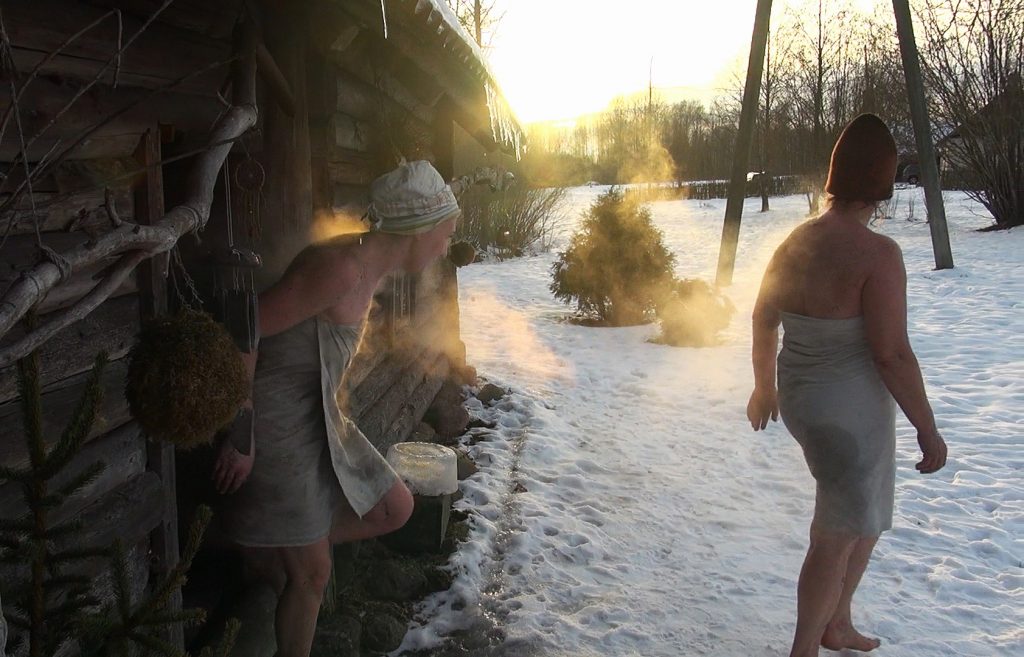
Author:
Aija Stepanova, ģimenes pirtniece
Other domains
Oral traditions and their expressions, including language as a vehicle of intangible cultural heritage
Social practices, rituals and festive events
Traditional craft skills
Knowledge and practices concerning nature and the universe
Title
Pirts tradīcija Latvijā (2025)
Pirtī iešana
Pirts tradīcijai Latvijā ir vairākas raksturīgas iezīmes.
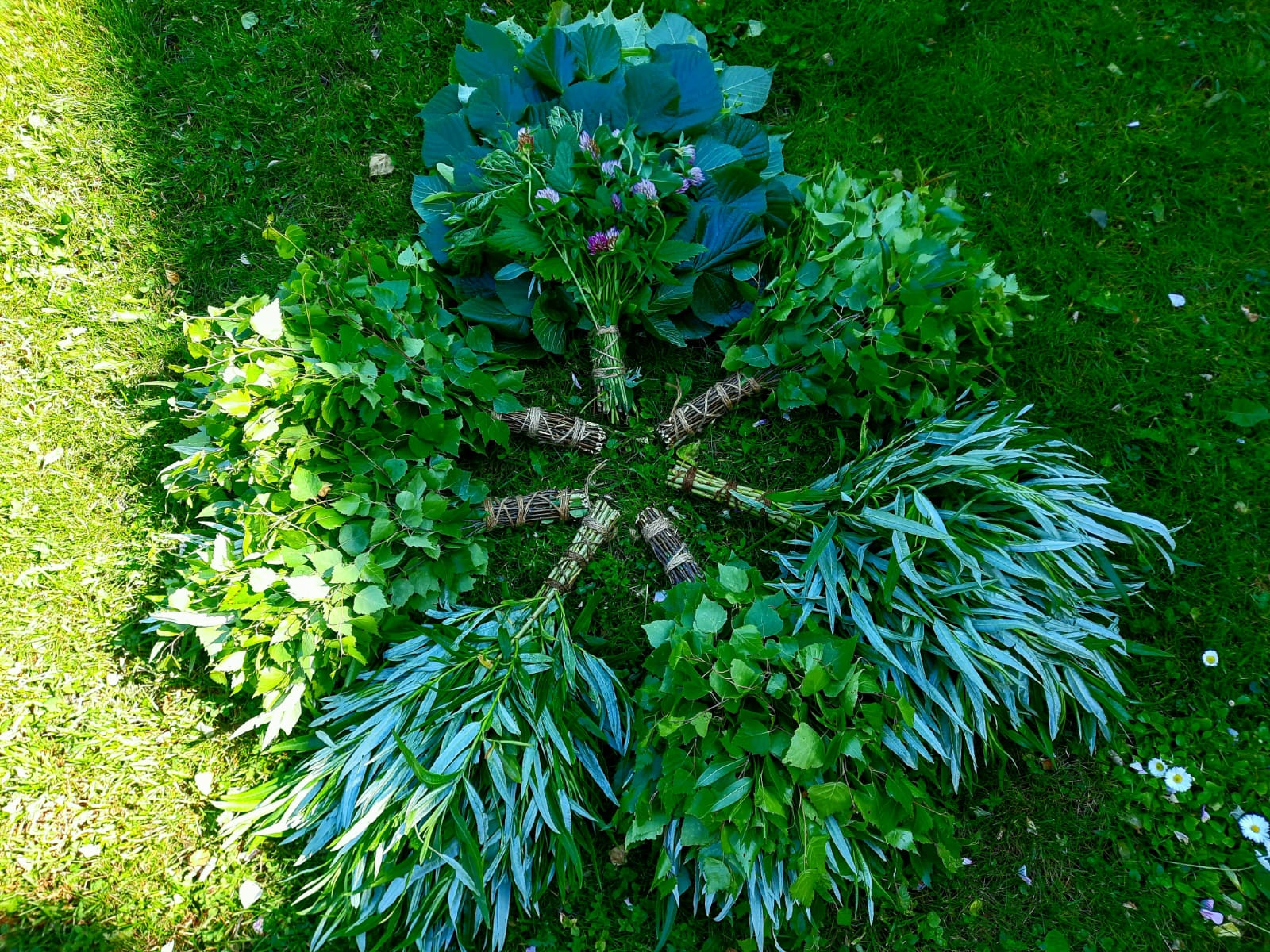
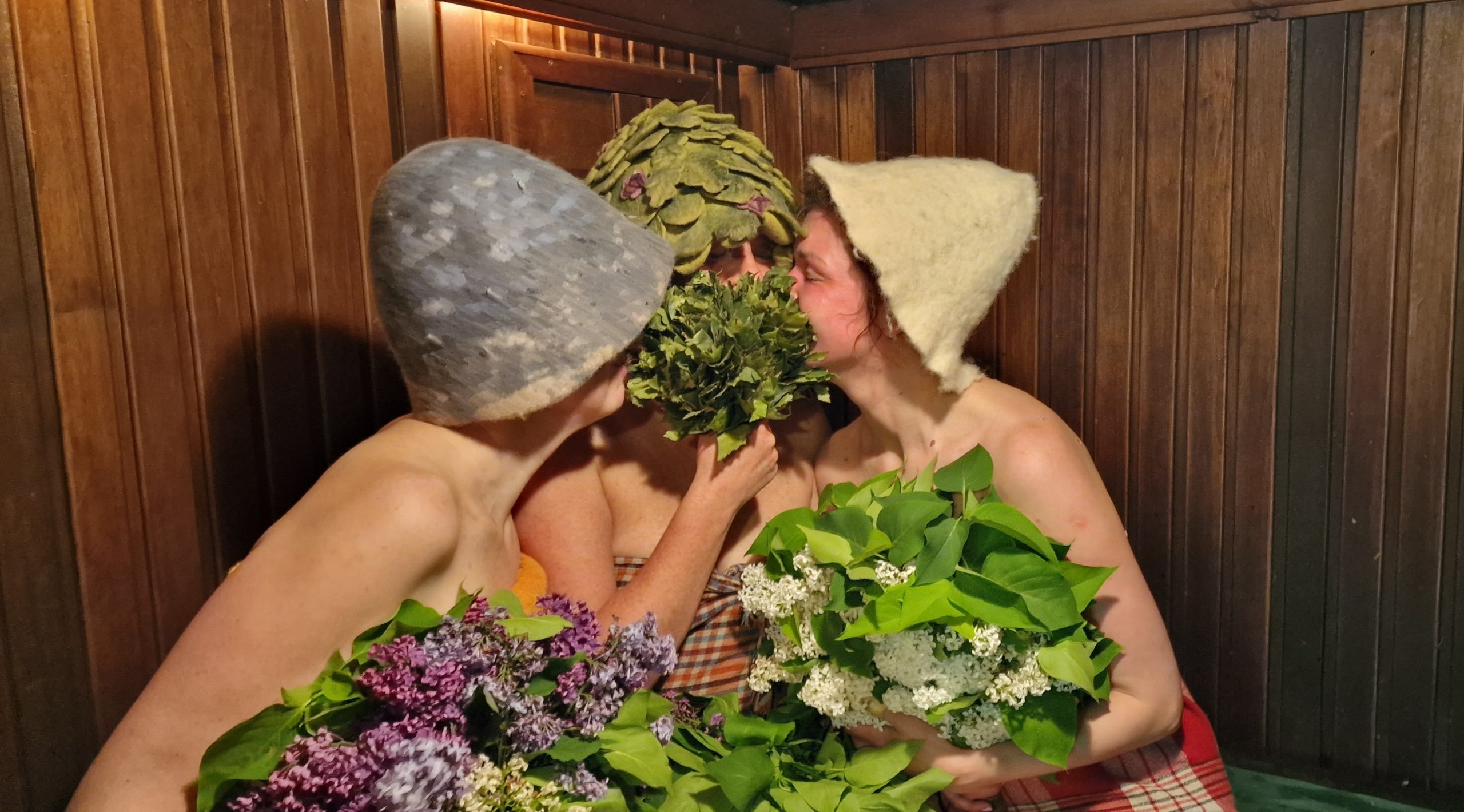
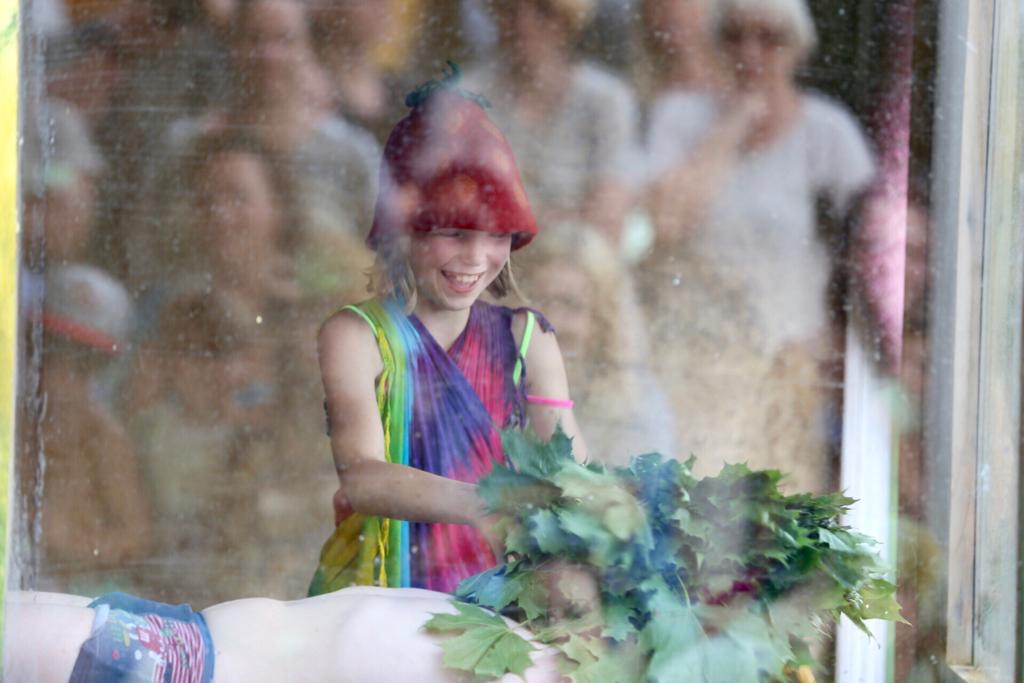
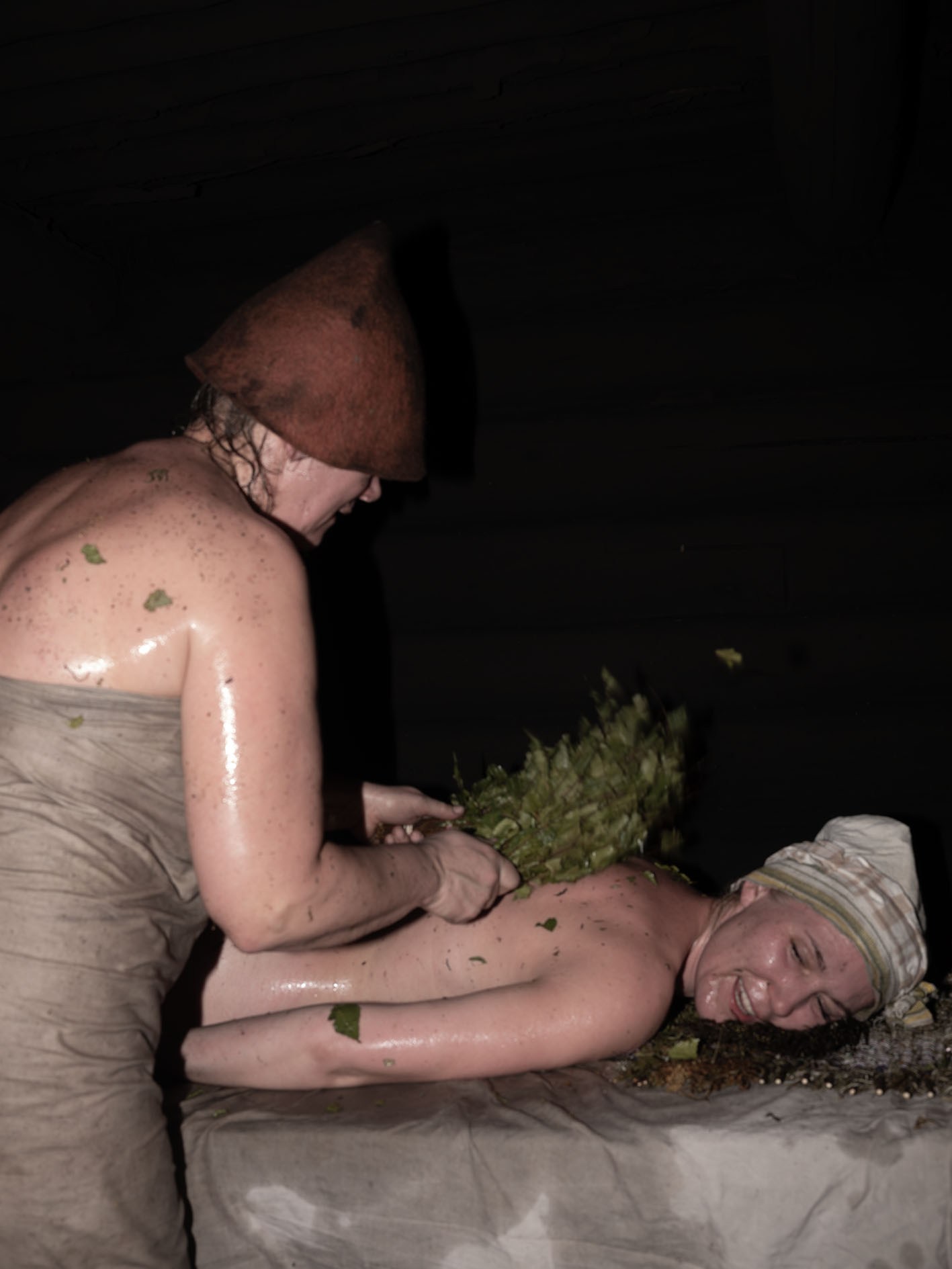
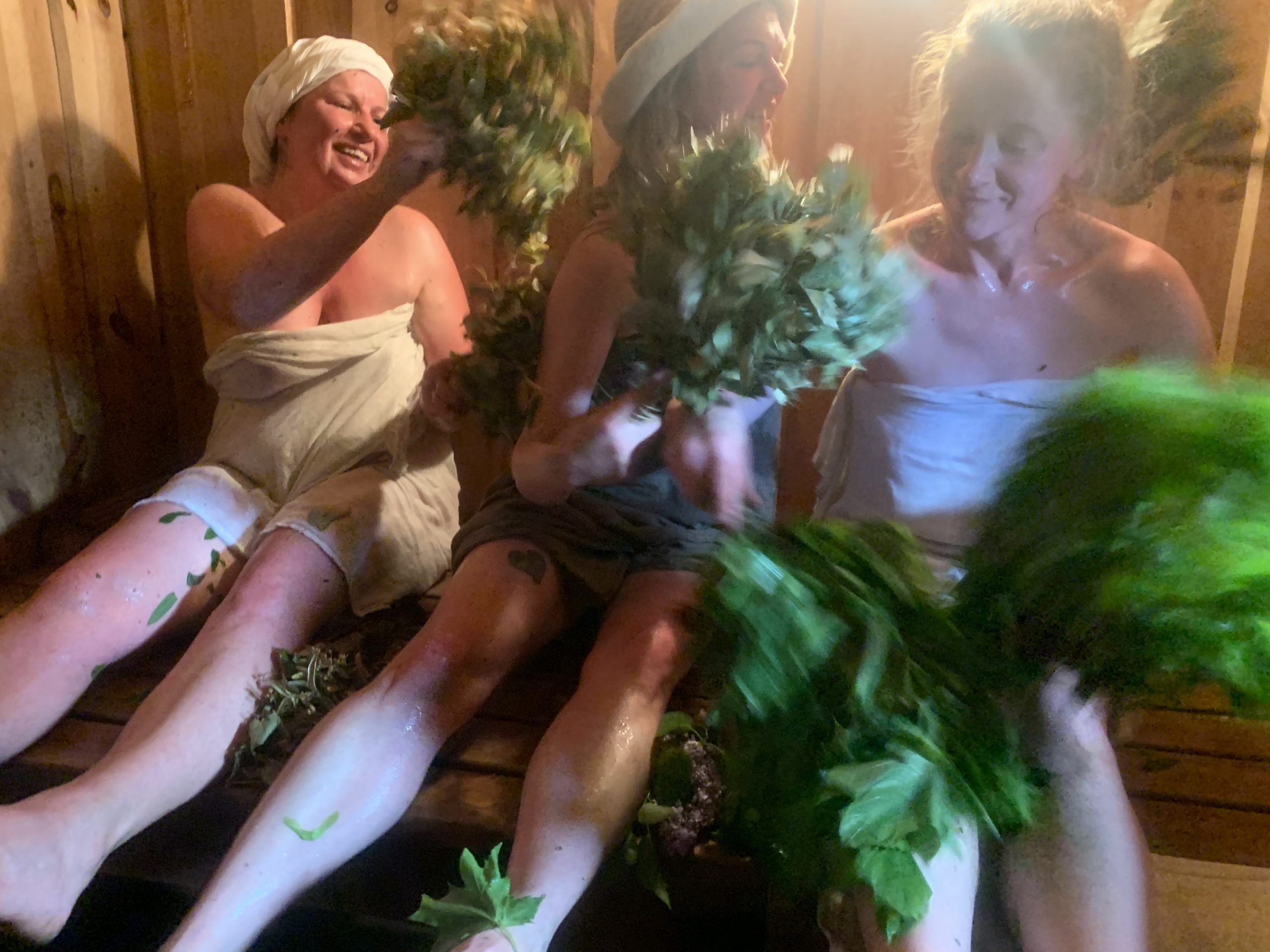
Pirmkārt, latviešu pirts tradicionāli ir “slapjā” pirts. Pirtī iešana ķermeņa attīrīšanai, veselības uzturēšanai un labsajūtai, izmantojot karstumu, ūdeni, pirts tvaiku un Latvijas augus un dabas veltes, Latvijas ģimenēs tiek praktizēta no sendienām. Pirtī notiek pēršanās, mazgāšanās un dziedināšanās ar dažādām pirtsslotām, kas pagatavotas no koku un krūmu zariem, un citiem Latvijas savvaļas un dārza augiem un to darinājumiem.
Otrkārt, pirts ir speciāla ēka vai telpa ar pērtuvi, kas aprīkota ar lāvu/–ām un pirts krāsni ar akmens krāvumu. Pirts tiek kurināta ar malku.
Pirtī iešana (mūsdienās sarunvalodā tiek lietots arī vārds “pirtošanās”) ir ģimeniska tradīcija – daudziem Latvijā ir sava pirtiņa, kas parasti tiek iekurināta nedēļas nogalēs. Latvijā pirts tradīcija tiek nodota no paaudzes paaudzē un uzskatāma par svarīgu dzīves sastāvdaļu. Pirtī ejot, cilvēks attīra ķermeni, atpūšas un atjauno spēkus, nesteidzīgi veltot uzmanību savai un/vai ģimenes veselībai un labsajūtai.
Distribution:
Visa Latvija
Latvijā pirtī mēdz iet jauni un veci jebkuras profesijas, izglītības, reliģiskās un politiskās pārliecības un sociālā slāņa cilvēki. Latvijā pirts tradīcija visbiežāk tiek uzturēta ģimenes un/vai draugu pirtīs. Pirtī iešana parasti notiek dzimtas kopienas ietvaros, tā tiek pārmantota ģimenē, bērniem prasmes pārņemot no vecākiem, vecvecākiem, radiem un ģimenes draugiem. Šī ar pirts tradīciju saistītā kopienas daļa, kaut arī daudzskaitlīga, vienlaikus ir publiski nemanāma, jo pirtī iešana notiek individuāli, savās mājās, sētās un saimēs.
Kopienai piederīgas ir arī vairākas lokālas, neformālas pirts cienītāju grupas, kas izveidojušās gandrīz katrā Latvijas pilsētā vai lielākā ciemā. Tajās satiekas cilvēki, kuriem patīk pirtī iešana un pirts ir svarīga viņu dzīves daļa.
Savukārt, kopienas publisko kodolu veido vairākas biedrības un organizācijas, kurās apvienojušies aktīvākie kopienas ļaudis – ģimenes un profesionālie pirtnieki, pirtsmīļi un pirts draugi.
Pirts kopienu, ko daudzskaitlīgi un nemanāmi visā Latvijā pārstāv ģimenes/ dzimtas mikrokopienas, bet publiski – biedrības un interešu grupas, vieno mīlestība uz latvisko pirti, prasmes un zināšanas par Latvijas savvaļas augiem un citām dabas veltēm, un to praktisko devumu cilvēka veselības un labsajūtas uzturēšanā.
Mūsdienās pirts tradīcijas zinātāju un praktizētāju skaits ar katru gadu palielinās, viņus vieno, kā vēlme izzināt un saglabāt šo tradīciju, tā sava veida piederības sajūta. Katru gadu dažādas apmācības, seminārus, festivālus, nometnes un citus pirts pasākumus apmeklē plašs interesentu loks, – cilvēki vēlas iegūt un pilnveidot zināšanas un prasmes veselīgākai pirtī iešanai, dažādot pēršanās prasmes, iemācīties ievākt augus un apmainīties pieredzē ar līdzīgi domājošajiem. Zināms, ka līdz 2025. gadam vairāk kā divi tūkstoši cilvēku ir mācījušies dažādās pirts skolās un neformālās interešu grupās, no kuriem apmēram 5% izvēlas kļūt par profesionāliem pirtniekiem, savukārt 95% to dara savam un ģimenes priekam. Ievērojams skaits kopienas pārstāvju savstarpēji apmainās ar informāciju, regulāri tiekoties pirtiņās un mācoties viens no otra.
Papildus ģimenēm, biedrībām un neformālajām grupām pirts kopienā sastopami arī profesionāli pirtnieki, kuri piedāvā komercpakalpojumus, visbiežāk neregulāri vai paralēli citam darbam. Tas nodrošina iespēju pirts tradīciju iepazīt tiem, kam tā ģimenē gājusi secen, kā arī ārvalstu viesiem, kuri vēlas izzināt latviešu pirti.
Significance in community life
Pirts tradīcijā mijiedarbojas gan pārmantotās zināšanas un prasmes, gan mūsdienu kultūras elementi. Liela loma šīs tradīcijas popularitātes atgūšanā un attīstībā ir mūsdienu straujajam dzīves ritmam, kas rosina cilvēkus meklēt atbalstu senču mantojumā un atjaunot saikni ar dabu.
Daudzās ģimenēs pirtī iešana ir regulāra dzīves sastāvdaļa, kas palīdz “izkāpt” no ikdienas steigas, parūpēties par savu veselību un nesteidzīgi būt kopā ar sev tuviem cilvēkiem.
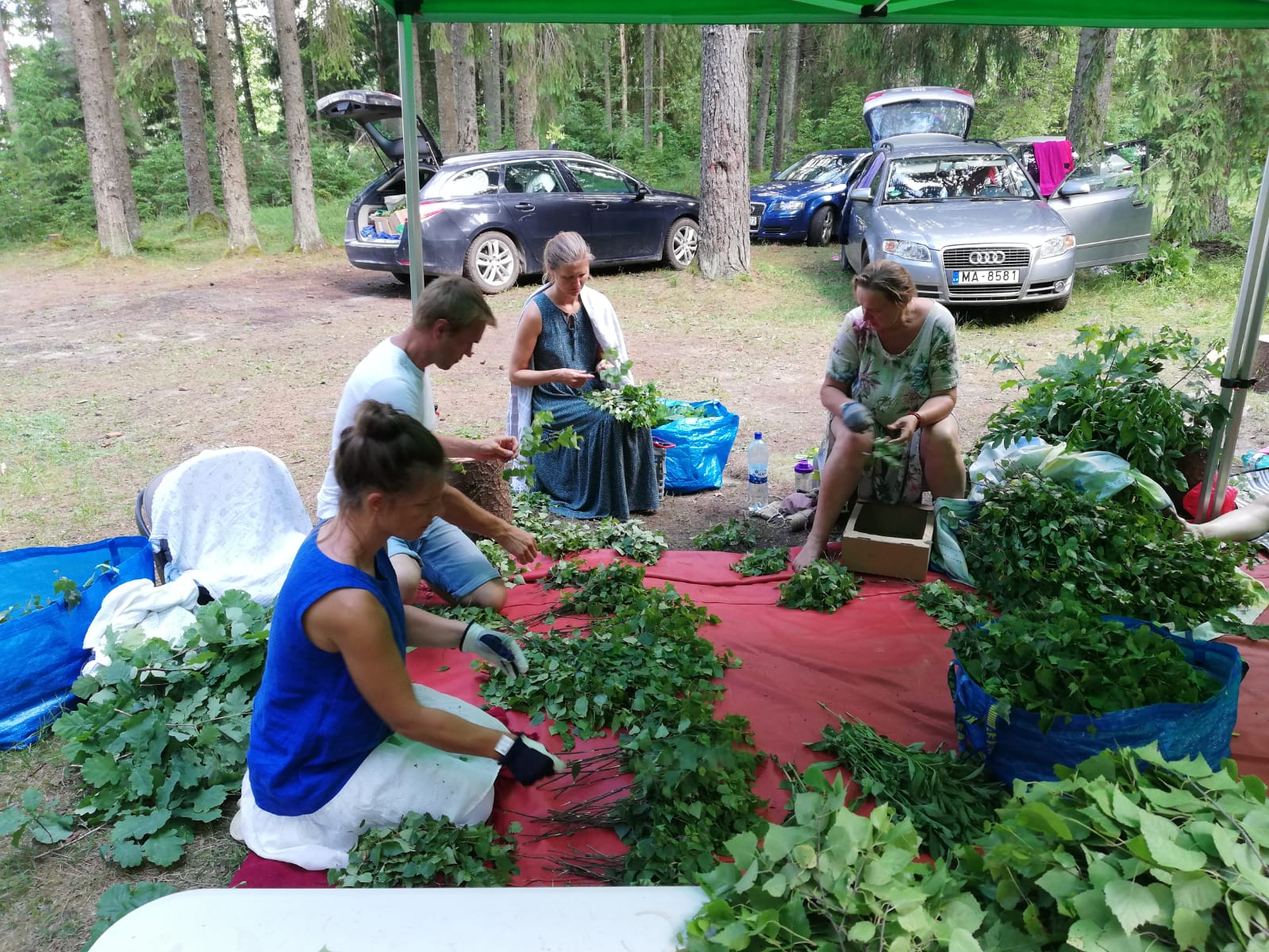
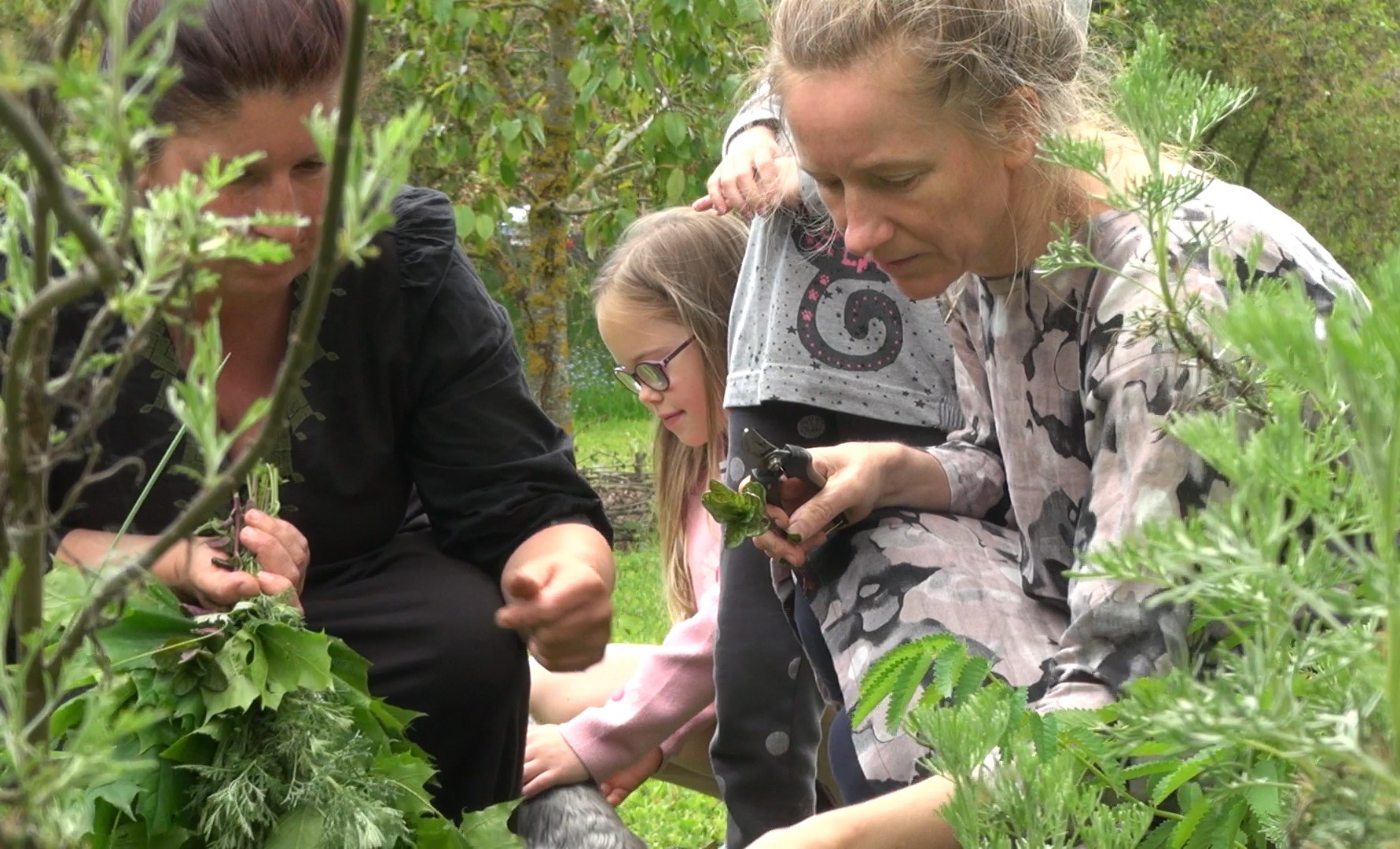
Pirts ir savā ziņā dzīvesveids un dzīvesritms, ko piekopj daudzas ģimenes Latvijā, un tajā ietilpst ne tikai pati pirtī iešana, bet arī gatavošanās tai krietnu laiku pirms, gādājot malku, dodoties mežos un pļavās vākt augus pirtsslotām, zāļu tējām.
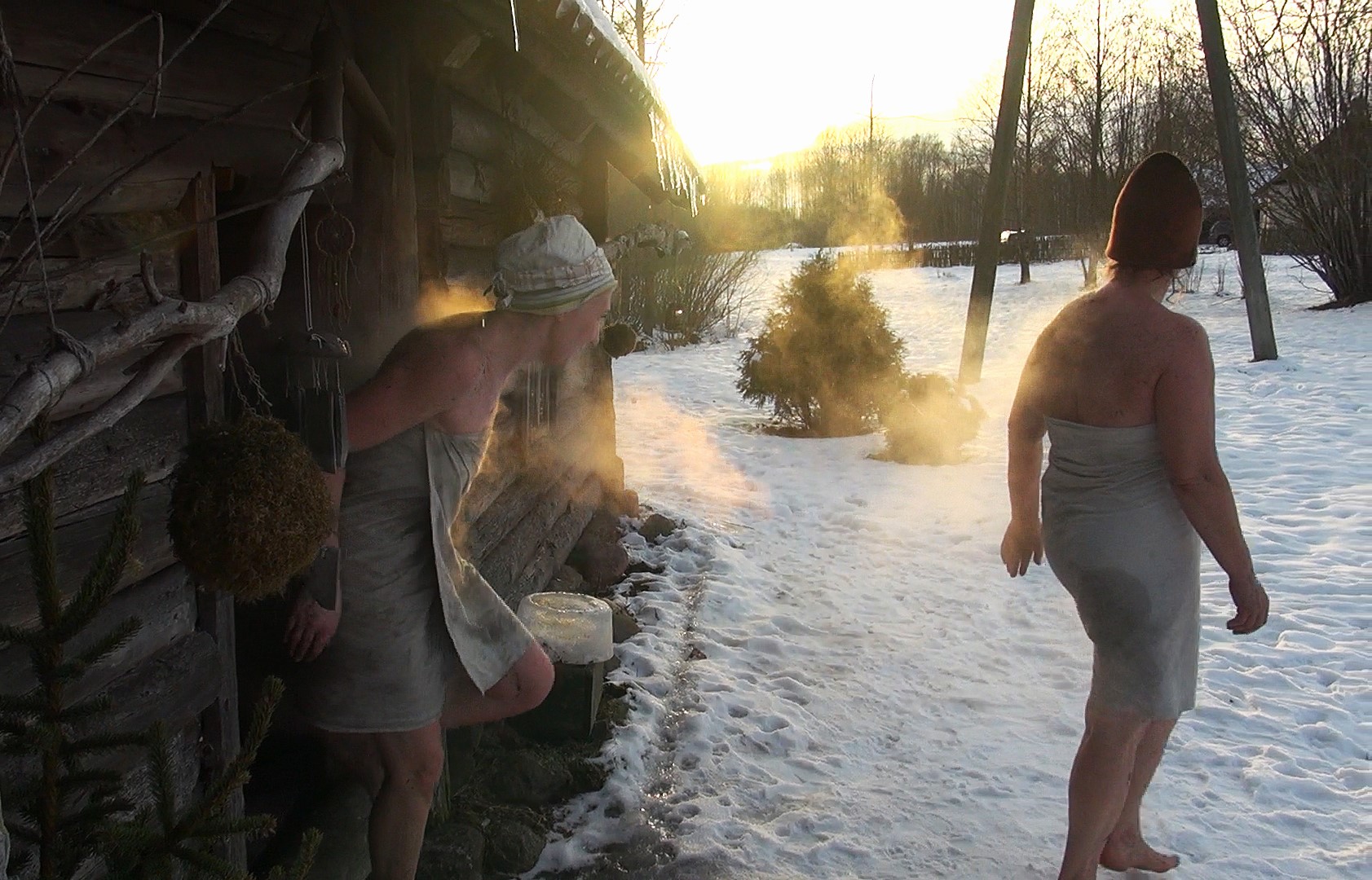
Tradicionāli pirts diena ģimenē tiek organizēta nedēļas nogalē vienu reizi nedēļā, divās nedēļās vai mēnesī, un parasti tā aizņem daudz laika, sākot ar gatavošanos un beidzot ar pašu pirtī iešanu. Pirtī ne tikai vairākas reizes karsējas un dzesējas, peras un mazgājas, bet arī atpūšas ārpus pērtuves, veidojot pirts dienas par svarīgu ģimenes ieražu, kas stiprina ģimenes saites un nodod pirts tradīciju no paaudzes paaudzē.
Mūsdienu pasaulē strauji attīstās labjūtes/labsajūtas (eng. wellness) koncepts. Parādās arvien vairāk pētījumu par augu, siltuma un ūdens kontrasprocedūru iedarbību uz cilvēka organismu, līdz ar to cilvēki arvien vairāk pievēršas šiem aspektiem un vēlas tos ieviest savā ikdienas dzīvē. Arī pirts tradīcijai ir sava vieta labsajūtas praktizēšanas sistēmā. Interese par Latvijas dzīvo mantojumu un pirts tradīciju ved uz Latviju arī ārvalstu viesus, tādēļ šobrīd ir īpaši svarīgi pašiem apzināties savu pirts tradīcijas kodolu, to godāt un saglabāt.
Activities
Pirts tradīcija ir pārmantots zināšanu un prasmju kopums, kuru jau no sendienām praktizē Latvijas ģimenēs, un kas veltīts ķermeņa attīrīšanai, veselības uzturēšanai, dziedināšanai un labsajūtai, pielietojot karstumu, ūdeni, pirts tvaiku un Latvijas augus un dabas veltes.
Pirtī notiek pēršanās, mazgāšanās un dziedināšanās ar dažādām pirtsslotām. Nereti tautā pirti mēdz dēvēt par “ķermeņa, gara un dvēseles dziednīcu”, jo pirts norises palīdz cilvēkam saglabāt labsajūtu un harmoniju saskaņā ar dabas ritmu.
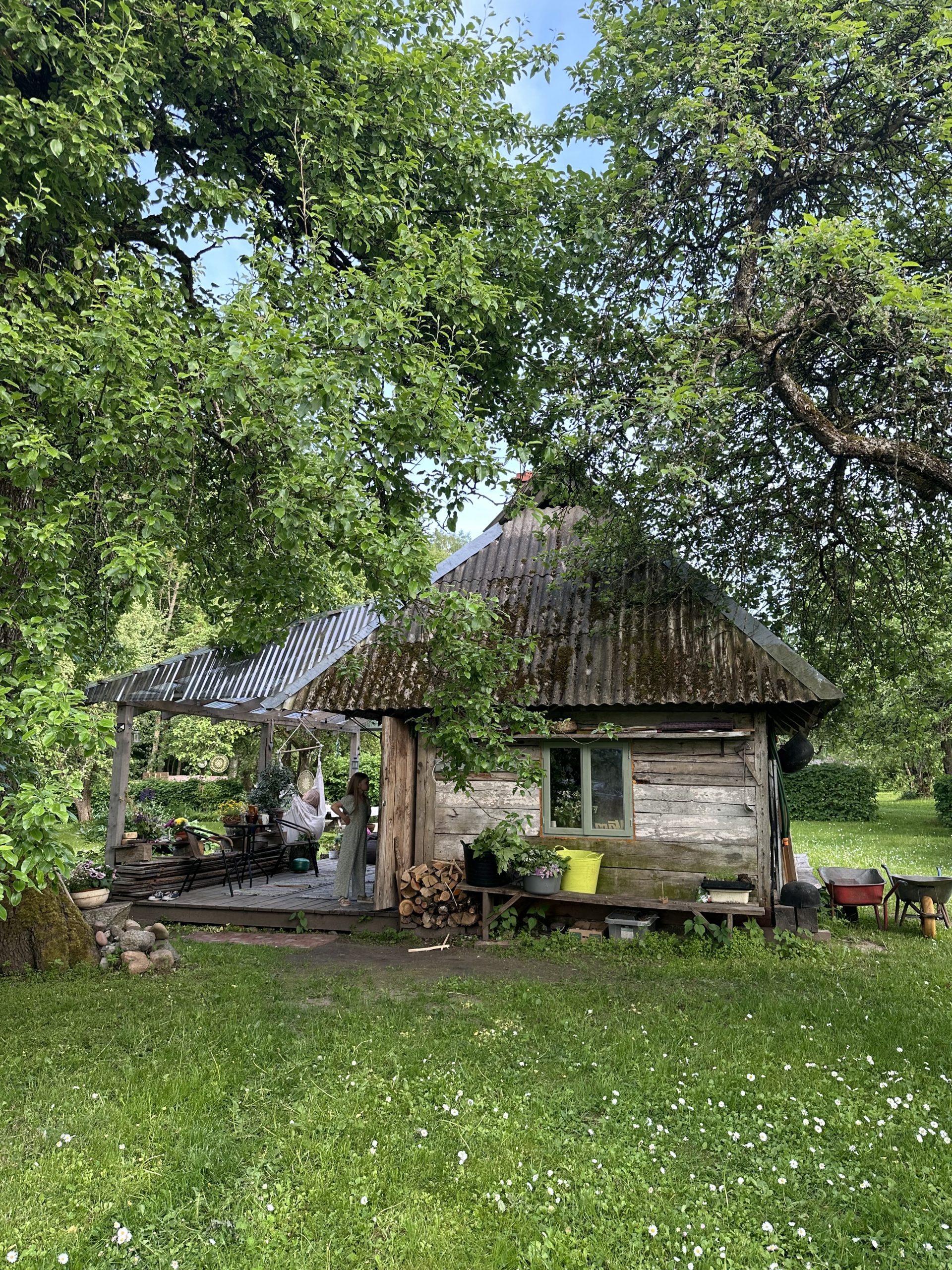
Pirts ir cieši saistīta ar vidi – pirts ēku (telpu) ar pērtuvi –, kur vienuviet sastopas senie un mūsdienu kultūras un sadzīves elementi. Bieži pirtis atrodas ūdens (dīķu, upju, ezeru) tuvumā un pie pirtīm nereti ir iekopti t. s. pirts dārziņi jeb dobes ar pirtī izmantojamiem ārstniecības augiem.
Pirts tradīcijā liela nozīme ir gadskārtām (gadalaikiem) un dabas ritumam, līdz ar to pirtī veiktās darbības un pielietojamie līdzekļi katrā reizē atšķiras, piemēram, vasarās pērienam tiek izmantotas slotiņas no svaigi grieztiem koku un krūmu zariem vai augiem. To nosaka arī katra pirtnieka vai pirtsmīļa individuālā pieeja, zināšanas, prasmes un iespējas. Pēc būtības pirts norisi cilvēki veido radoši, atbilstoši sezonai, situācijai un tā brīža vajadzībai.
Pirts tradīcijas praktizēšanā izdalāmi divi galvenie posmi:
1) gatavošanās pirtij, kas ietver augu un dabas velšu ievākšanu, siešanu pirtsslotās un zāļu buntēs, un tēju maisījumos, malkas sagādi un pirts kurināšanu, pirts telpas sagatavošanu;
2) pati pirtī iešana, kas ietver mazgāšanos, karsēšanos un dzesēšanos, pēršanos un dažādas procedūras pērtuvē (kompreses, vanniņas, inhalācijas, masāžas un citas darbības ar savvaļas augiem un dabas veltēm – saskaņā ar katras ģimenes paradumiem).
Pirts procedūras laikā ķermenis tiek pakāpeniski un dziļi izsildīts, veicinot ķermeņa svīšanu un attīrīšanos caur sviedriem, šlakvielu izvadīšanu un organisma pašregulācijas mehānismu aktivizēšanu, lietojot pirtsslotas, augus un citas dabas veltes. Tradicionālajā latviešu pirtī karstums pērtuvē parasti variē no mērena līdz karstam, uzturot pērtuves mikroklimatu vidēji 100–120 punktu robežās, ar to saprotot relatīvā mitruma procentu un gaisa temperatūras summu, piemēram, ja pērtuvē temperatūra ir ~50 °C grādu, tad relatīvais gaisa mitrums būs ~ 70 procentu, vai tamlīdzīgi. Šāda karstuma un mitruma mēraukla pirts tradīcijā paver plašu amplitūdu augu izmantošanai un to iedarbībai uz ķermeni.
Vairumā gadījumu pirtsmīļi vismaz vienu, bet dažkārt divas vai pat trīs reizes pirms kārtīgas pēršanās kāpj uz lāvas, lai izkarsētos un attīrītu ķermeni ar augu vīšķiem un skrubīšiem, lietojot dažādus masāžas paņēmienus. Mūsdienās lielu popularitāti ir iemantojuši dabiskie skrubji un maskas, kas darināti no savvaļas augiem un dabas veltēm. Ķermeņa ādas attīrīšanai var tikt izmantotas arī augu buntes, vīšķi, rupjas lina, nātru vai kaņepju drānas, krūmu mizu vai sakņu berzīši u. c. Ķermeņa maskām iecienītas tādas Latvijas dabas veltes kā visu pieejamo nokrāsu māli, dūņas, ogas vai medus. Kad ķermenis kārtīgi izsildīts un attīrīts, seko pēršanās jeb pērte un ūdens kontrasta procedūras, lai sakarsēto ķermeni atdzesētu.
Savulaik pierakstītā latviešu tautasdziesma – “Paldies, paldies pirts kūrējam / Paldies ūdens nesējam / Paldies slotas sējējam /Paldies mugur pērējam” (Tdz 55374,2) – precīzi iezīmē senās pirts norises, kas nav daudz mainījušās arī mūsdienās.
Kā uzsver vēsturnieks Mārtiņš Kuplais: “Par sutas pirts atklājējiem sevi uzskata gandrīz visas Ziemeļaustrumeiropas tautas, jo pēc būtības somu sauna, krievu “baņa” un latviešu pirts ir līdzīgas pēc uzbūves un lietošanas paņēmieniem. Bet tikai latviešu “pērt” saistās ar vienu no galvenajām darbībām pirtī. Latviešu tradicionālā pirts ir slapjā pirts, kur izmanto karstā gaisa, mitruma (tvaiku), ūdens un augu iedarbību uz cilvēka organismu”.
Beliefs, rituals, and unwritten rules
Pirts tradīcija Latvijā ir ģimeniska un vienlaikus intīma – tajā tiek cienīts cilvēka auguma kailums, jo pirtī veselīgāk ir iet bez apģērba. Mūsdienās katrs pirtī gājējs to praktizē saskaņā ar individuālo audzināšanu un labsajūtu, kas izriet no paša uzskatiem, pārliecības un ģimenes paradumiem.
Latviešu pirts tradīcijas bagātīgi atspoguļotas latviešu folklorā – ticējumos, rituālos, paražās, tautasdziesmās un buramvārdos, pasakās un nostāstos –, kā arī nerakstītos, mutiski nodotos nosacījumos (pirts ētika). Izvērstāku izklāstu sk. sadaļā “Teksta materiāli”.
Inheritance and transmission
Pirts tradīcija kā agrāk, tā mūsdienās tiek pārmantota galvenokārt ģimenēs, parasti ar pirti saistītās norises un zināšanas apgūstot no vecākiem un vecvecākiem. Liela nozīme tradīcijas pārmantošanā ir pirts kopienas zināšanām, praktiskajai pieredzei, kas tiek nodota kopienas ietvaros, un atmiņu stāstiem.
Pēdējos gadu desmitos Latvijā ir izveidojošās vairākas lielākas un mazākas, formālas un neformālas pirts skolas, kurās var apgūt ar pirts tradīciju saistītās zināšanas un prasmes gan par pirts sagatavošanu (malkas izvēle un sagāde, kurināšana), gan pirtsslotu siešanu, gan pēršanas tehnikām un veidiem u. c. Pirts zinības tiek apgūtas arī šaurās interešu grupās un kā senāk – tieši no pieredzējušiem pirtniekiem, kuri labprāt pulcina ap sevi kopienas ļaudis un dalās savās zināšanās un prasmēs.
Zināšanas par pirti papildina un bagātina ne vien ģimenē pārmantotās un empīriski iegūtās zināšanas un prasmes, bet arī tradīcijas atspoguļojums periodikā un grāmatās.
Pēdējās desmitgadēs populāri kļuvuši dažādi izglītojoši pirts pasākumi, semināri un festivāli, kur pirts kopienas ļaudis no visas Latvijas apmainās ar zināšanām, pilnveido un dažādo savu pirtī iešanas pieredzi.
History
Pirts tradīcija Latvijā ir ļoti sena. Arheologs Guntis Zemītis stāsta, ka liecības par pirti atrodamas arī Latvijas arheoloģijā, piemēram, Talsu pilskalna (apdzīvots 11.–14. gs.) arheoloģiskajos izrakumos.
Senākās rakstītās ziņas par pirts tradīciju fiksētas divās 13. gs. hronikās – Indriķa Livonijas hronikā un Atskaņu hronikā. Tāpat rakstītas ziņas par pirti atrodamas raganu prāvu protokolos: “Jau sākot ar 16. gs., raganu prāvu protokoli mums dod ziņas par braucīšanu, mazgāšanu pirtī” (Straubergs 1944: 13).
Daudz liecību par pirti atrodamas arī folkloras avotos – tautasdziesmās, ticējumos un paražu aprakstos: “Vispārējais ārstēšanās veids ir bijis parastais: “pirtī” sutināšanās. Ar tā palīdzību esot ārstētas visas slimības” (LFK 69, 549). Braucīšana un laitīšana jeb senie masāžas paņēmieni, kā norāda ticējumi (LTT 16353; 16354; 25387 u. c.), izmantoti tieši pirtī, kur bija pieejama lāva, uz kuras noguldīt slimnieku, kā arī siltums un tvaiks, kas palīdzēja ķermenim atslābināties un ļauties ārstēšanas procesam. Medicīnas vēstures pētnieki norāda, ka “senatnē dziedināšana bieži notikusi pirtī” (Derums 1978: 193);
“Dziedināja gan ar augu palīdzību, izmantojot augu novārījumus, liekot tos uz pirts akmeņiem vai mazgājamā ūdenī un sienot slotās, gan arī ar dažādām citām ārstnieciskām darbībām” (Alksnis 1932a: 13).
Agrāk pirts bija vienīgā vieta lauku sētā, kurā bija iespējams pilnvērtīgi nomazgāties. Tā tika kurināta ik pārnedēļu sestdienās, vai ik sestdienu, ja zemniekam bija jādara smagāki darbi (Bīlenšteins 2001: 108–110). “Pirts bija ne tik vien mazgāšanās, bet arī ārstēšanās vieta. Pirtī cilvēki dzima, pirtī lika miroņus, un pirtī cilvēki sautējās no pārsalšanas” (Jirgens 1934: 145).
Neskatoties uz dažādiem ierobežojumiem un vēstures notikumiem, pirts tradīcija Latvijā ir turpinājusies no senatnes līdz mūsdienām, piedzīvojot arī dažādu laiku ietekmi. Piemēram, padomju okupācijas laikā pirtis daudzviet pārvērtās par izpriecu vietām, kur tika lietots alkohols un notika saviesīgi pasākumi. Sabiedrībā joprojām ir zināms vārdu salikums “somu pirts”, kuram nav sakara ar somu tradicionālo pirti un tradīciju, bet gan atpūtas vietām un veidu padomju okupācijas laikā Latvijā.
Tomēr, neraugoties uz dažādajām ietekmēm, pirts tradīcija Latvijā ir izdzīvojusi, tiek turpināta un nodota tālāk.
Mūsdienās pirts tradīcija ieguvusi jaunu, papildus funkciju. Ja agrāk pirts primāri bija mazgāšanās vieta ar higiēnas funkciju un kā dziedināšanas vieta, tad mūsdienās, līdztekus rūpēm par sava ķermeņa dziļu attīrīšanu pirts procedūru laikā, pirtī iešana ir kļuvusi par “miera ostu” un regulāru ģimenes rituālu, kur ģimenes atpūšas, atbrīvojas no ikdienā uzkrātā stresa un nesteidzīgi pavada laiku kopā ar saviem mīļajiem vai draugiem. Mūsdienās pirtī tiek ne tikai uzturēta veselība, bet arī gūta labsajūta un sajusta saikne ar dabu. 21. gadsimtā dziednieciskā, atpūtas, sociālā un rituālā pirts nozīme nav mazinājusies, drīzāk palielinājusies (Krūmiņa 2011: 13).
Attīstoties medicīnai un pētniecībai, lielāko daļu ārstniecības funkciju ir pārņēmusi medicīna, un pirts tradīcijā tās vairs netiek praktizētas - akūtos slimību gadījumus cilvēki dodas pie ārsta, nevis uz pirti kā senāk. Mūsdienās arī dzemdības pirtī notiek reti, kas kādreiz bija ierasta prakse.
Tomēr pirtī iešana daudziem joprojām ir neatņemama dzīves sastāvdaļa, kas nepieciešama veselības uzturēšanai, pielietojot dažādas metodes un dabas līdzekļus. Mūsdienās pirts tradīcija var būt atbalsts veselības profilaksei, jo pirts spēj palīdzēt tādu mūsdienu problēmu risināšanai kā izdegšanas sindroma, stresa, depresijas un spriedzes gadījumos, kā arī pirts palīdz uzlabot vielmaiņu un ādas stāvokli, veicina detoksikāciju, mazina iekaisumus, samazina plaušu un elpošanas ceļu slimību risku, risina hroniska noguruma problēmas, sekmē miega kvalitāti, kā arī palielina fizisko izturību un enerģiju. Turklāt daudziem cilvēkiem pirtī iešana ir regulāra nepieciešamība, lai justos labi, uzturētu harmonisku psihoemocionālo stāvokli, stiprinātu darbaspējas un dzīves kvalitāti kopumā.
Šobrīd pirts tradīcija Latvijā piedzīvo uzplaukumu, pateicoties nepārtrauktai tās praktizēšanai un pirts kopienas ieinteresētībai tradīcijas saglabāšanā, attīstībā un popularizēšanā.
Additional Information
Ar pirts tradīciju saistīti arī citi Latvijas nemateriālā kultūras mantojuma veidi un vērtības.
TRADICIONĀLĀS AMATNIECĪBAS PRASMES
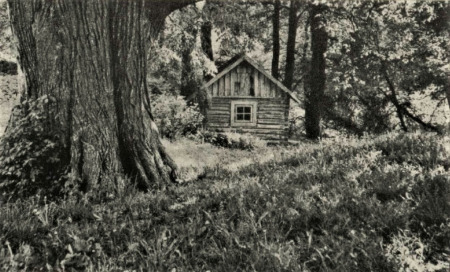
Pirts tradīcija nav atraujama no vides – pirts ēkas vai telpas ar pērtuvi, kurā tiek nodrošināti atbilstoši apstākļi un mikroklimats. Pirts ir viena no vissenākajām latviešu celtnēm, kas gadsimtu laikā palikusi gandrīz nemainīga (Vēveris, Kuplais, 1989: 108). Tā bija zemnieku sētas vismazākā ēka, kas atradās sētas nomaļākajā vietā, lai neizraisītu uguns draudus citām ēkām (Bīlenšteins 2001: 108). Pirts būvniecības un telpas iekārtošanas prasmes, iespējams, būtu jāizceļ kā atsevišķs nemateriālā kultūras mantojuma elements, jo šīs tradicionālās zināšanas arī tiek pārmantotas un praktizētas mūsdienās – namdaru, mūrnieku, rīkstnieku, krāšņu meistaru, kalēju un citu amatnieku izpildījumā.
Pirts tradīcija ietver praktiskas zināšanas un iemaņas pirtsslotu siešanā, vispirms ievācot augus, koku un krūmu zarus, vēlāk sasienot tos slotiņās, žāvējot un uzglabājot tā, lai augi saglabātu savu krāsu, aromātu un izturību līdz nākamajai vasarai. Mūsdienās iemaņas pirtsslotu siešanā var iegūt, pārmantojot ģimenē vai apmeklējot mācības.
Pirts tradīcijā iesaistīti arī citi tradicionālo amatu pratēji. Nereti pirtī sastopami koka amatniecības darinājumi (toveri, kausiņi, no koka izgatavotas simboliskas zīmes u. c.), audēju meistardarbi (cepures, dvieļi, segas, palagi u. c.), kalēju kalumi (durvju apkalumi, kausiņi, zvaniņi u. c.), bitenieku darinājumi (vaskadrānas, sveces, medus, vaska un propolisa ziedes u. c.). Ar rokām veidotos amatniecības darinājumus parasti izmanto praktiski – pirts telpu iekārtošanai un vides radīšanai.
MUTVĀRDU TRADĪCIJAS IZPAUSMES, IETVEROT VALODU KĀ NEMATERIĀLĀS KULTŪRAS NESĒJU
Pirts tradīcijai piederīgas arī mutvārdu izpausmes – savs vārdu krājums (pērtuve, lāva, pēriens, pērte, uzmest garu, pirtsslota, pirtnieks, pirtsmīlis u. c.)*, bagātīgas liecības atrodamas arī folkloras pierakstos. Pirts un pirtī iešana pieminēta gan paražu aprakstos, gan ticējumos, pasakās un teikās, gan tautasdziesmās, piemēram, virtuālajā tautasdziesmu katalogā www.dainuskapis.lv ar pirti un norisēm pirtī atrodamas vairāk kā 300 tautasdziesmas. Ar pirti saistīto ticējumu apkopojumu sk. sadaļā “Teksta materiāli”.
Dažkārt, pirtī ejot, tiek arī dziedātas dziesmas. Ne visās pirtīs Latvijā ģimenes dzied tautasdziesmas, tomēr katrā Latvijas novadā dzīvo dziedošas ģimenes, aktīvi koru un folkloras kopu dalībnieki, kuri dziesmu organiski ienes arī pirts vidē un nodod šo muzikālo mantojumu saviem bērniem. Ir izdoti vairāki mūzikas ieraksti ar pirts dziesmu apkopojumiem, piemēram, postfolkloras kopai “Iļģi” 2011. gadā iznāca albums “Tur saulīte pērties gāja”.
ZINĀŠANAS UN PARAŽAS, KAS SAISTĪTAS AR DABU UN VISUMU
Droši var apgalvot, ka pirts tradīcija Latvijā ir “zaļa”, jo tās uzturēšanai ir nepieciešamas zināšanas par kokiem, augiem un citām dabas veltēm un to prasmīgu pielietojumu pirts procedūrās. Pirts kopiena labi orientējas Latvijas augos – katra ģimene nes uz pirti tikai tos, kurus pazīst un var ērti savākt apkārtnē.
Neskatoties uz mūsdienu tendenci pirts krāsns krāvumā izmantot nopērkamus vulkāniskos iežus, daudzviet joprojām, cienot un novērtējot Latvijas dabas bagātības, tiek izmantoti vietējie akmeņi, no kuriem tikai prasmīgs pirts tradīcijas zinātājs prot atrast atbilstošākos, veltot šim procesam ne mazums uzmanības un laika. Pirts garu latviešu pirts tradīcijā uztur tieši krāsns akmeņi, kas bagātīgā krāvumā gulst uz pirts krāsns un spēj izturēt dzīvās uguns spēku.
Zināšanas par dabu un Visumu tiek izmantotas, izvēloties pareizāko laiku gan augu vākšanai, gan pirts malkas sagatavošanai. Latviskajā pirts tradīcijā pirti kurina ar malku. Pamatā tiek izmantota tikai labākā lapu koku malka, kas tiek savlaicīgi sagatavota un glabāta atsevišķi no citas malkas. Pirts tradīcijā kopš sendienām tiek ievērota arī Saules un Mēness ietekme, īpaši saistībā ar augu vākšanu un sagatavošanu, piemēram, kā īpašs tiek uzsvērts Vasaras saulgriežu jeb Jāņu laiks, kad saskaņā ar tradīciju visiem augiem piemīt dziedinošs spēks. Mūsdienās pirts kopienas vidū ir pirtnieki un pirtsmīļi, kuri mēdz ievērot Saules ritu un Mēness stāvokli, tā ietekmi uz ūdeni un cilvēku.
PARAŽAS, RITUĀLI UN SVĒTKI
Pirts tradīcija ietver gadskārtu un ģimenes godu ieražas un rituālus. Piemēram, sagaidot Vasaras saulgriežus, daudzviet Latvijā tiek kurta Zāļu pirts, pērtuvi un lāvas izliekot ar pļavās un mežmalās salasītām jāņu zālēm. Nereti Zāļu pirts laikā tiek veiktas gan praktiskas, gan simboliskas veselības uzturēšanas darbības – mazgāšanās rasā, rasas vākšana u. c.
Pēdējos gados no dažādiem etnogrāfiskiem pierakstiem atjaunota pirts tradīcija – pirtīžas jeb saru dzīšana. Ja mūsdienās dzemdības pirtī notiek reti, tad pirtīžas kā jaundzimušā un mātes rituāls ir ieguvis lielu popularitāti jauno vecāku vidū. Šo rituālu visbiežāk veic pieredzējušās ģimenes pirtnieces un parasti veido to krāšņu un simbolisku. Tajā svarīga katra detaļa un norise: slotā izmantotie zariņi, krāsns kuršanai izvēlētā malka, veltes, rituālam izgreznotā pērtuve un citas pirts telpas. Pirti kurina mēreni siltu, lai mātei un mazulim nebūtu par karstu. Ja bērns ir puisēns, tad pirti kurina ar ozola malku, ja meitene, tad ar liepas vai priedes malku. Īpaši pārdomāti tiek sagatavota zāļu vanna bērna mazgāšanai. Rituāla laikā bērniņu mazgā un tā ādu attīra ar mātes pienu. Pirtīžu laikā dzied arī īpašas tautasdziesmas. Kad bērniņš “izpērts” un nomazgāts, seko mātes ķermeņa aprūpe ar masāžu un tradīcijai atbilstošu pirtsslotu pielietojumu.
Jānorāda, ka ne tikai pirtīžas, – arī “līgavas muguras mazgāšana”, īpaši veļu laika rituāli un citas jaunradītas izpausmes – pēdējos gadu desmitos ir ienākušas pirts kultūrā Latvijā.
Masters
Pirts tradīciju Latvijā aktīvi praktizē lieli un mazi. Ģimenēs dabiski izveidojušies pirts lietpratēji – pirtnieki, kuri parasti uzņemas pirts kurināšanu, uzkopšanu un visbiežāk arī pērēja un pirts norišu riktētāja lomu, – un pirtsmīļi, pirts baudītāji, nereti šīm lomām pārklājoties un mainoties, mazākajiem ģimenes locekļiem pieaugot. Daži aktīvākie ar laiku kļūst par dažādu amatu pratējiem, piemēram, pirtsslotiņu sējējiem, zāļu vācējiem, zāļu paklāju darinātājiem, u. c. Tādēļ var apgalvot – ja personiski zināma kāda ģimene ar pirts tradīcijām, tad tieši viņi būs labākie padomdevēji un zinās ierādīt, kas darāms pirtī.
Pirts tradīcijas saglabāšanā un uzturēšanā nozīmīgs pienesums ir kā ģimenēs nodotām paražām, tā pārņemtām pirts zinībām, kas iegūtas lielākās vai mazākās pirtnieku un pirtsmīļu interešu grupās, draugu pirtīs un dažādos izglītojošos pasākumos, kur cilvēki labprāt dalās pieredzē un aktīvi mācās cits no cita.
Pirts kopiena Latvijā ir liela – katrā novadā būs atrodama gan pirtiņa, gan pirtī gājēji. Visus Latvijas pirtniekus un pirtsmīļus uzskaitīt nav iespējams, jo daudzi to kā izteikti individuāli praktizētu tradīciju izvēlas paturēt noslēpumā savas ģimenes ietvaros. Tomēr noderīgi atzīmēt vismaz dažus aktīvākos pirtniekus (uzskaitīti pa novadiem), kuri laika gaitā uzkrājuši lielu pieredzi un labprāt dalās pirts zinībās ar ikvienu interesentu.
PIRTNIEKI KURZEMĒ:
• Auzenbahs Nauris – amatnieks;
• Auzenbaha Gunta – augu pazinēja;
• Beihmanis Vilnis – koka amatnieks, pirts saimnieks;
• Biezbārde Rasma – pirts tērpu šuvēja, augu pazinēja;
• Donga Pēteris – viens no pirmajiem pirts tradīcijas popularizētājiem Latvijā, pirts un viesu nama saimnieks;
• Francis Normunds – pārtikas amatnieks, pirts saimnieks;
• Kolosova Ieva – vides inženiere, dažādu apmācību vadītāja, video materiālu un grāmatu par pirti angļu un japāņu valodā līdzautore;
• Lībiete Aurika – augu pazinēja, biedrības “Saldus pirts draugu apvienības “Saules slotas”” vadītāja;
• Mangulis Aivis – pirts kublu amatnieks;
• Ozoliņa Anita – farmaceite, augu pazinēja, dažādu apmācību vadītāja;
• Ozoliņš Jānis – finansists, pirts vēsturisko procesu izzinātājs;
• Reitere Līga – zāļu sieva un stāstniece, nemateriālā kultūrmantojuma paudēja;
• Sildegs Gundars – pirts saimnieks, pirts tradīcijas izzinātājs;
• Svilpe Ilze – augu pazinēja, pirts apmācību vadītāja;
• Tīmane Māra – vides gide, augu pazinēja, māksliniece;
• Zvirbule Liene – augu pazinēja, dažādu apmācību vadītāja,
PIRTNIEKI ZEMGALĒ:
• Batņa Aelita (Vilde–Batņa) – biedrības “Lauku pirtnieki” un pirts skolas “Lielzemenes” vadītāja, dažādu pasākumu un apmācību vadītāja;
• Batņa Juris – ārsts–psihoterapeits, dažādu publikāciju un apmācību autors un apmācību vadītājs;
• Gavare Ilga – bioloģe, eksperte par sēnēm, dažādu apmācību vadītāja, pirts saimniece;
• Ļaksa Līga – skolotāja, pirtsslotu meistare un apmācību vadītāja;
• Matveja Santa – skolotāja, augu pazinēja;
• Puriņa Olita – folkloras un tradīciju pētniece, dažādu apmācību vadītāja;
• Puriņš Valters – pirts būves amatnieks, pirts saimnieks;
• Sīle Kristīne – Zemgales sensētas “Everti” saimniece, festivāla “Laika ratu pietura Evertos” vadītāja, folkloras un tradīciju pētniece;
• Stepanova Aija – biedrības “Latvju Pirts un SPA asociācija” vadītāja, ģimenes pirtniece;
• Stepanovs Igors – fermentētu tēju amatnieks, dažādu apmācību vadītājs;
• Strēle Sandra – māksliniece, dažādu apmācību vadītāja;
• Vasiļevska Inese – augu pazinēja, dabiskas kosmētikas ražotāja;
• Vītiņa Lienīte – pasākumu organizatore un vadītāja, pirts saimniece;
• Zustrups Jānis – PIRTS ABC apmācību vadītājs, masieris,
PIRTNIEKI VIDZEMĒ:
• Alksnis Dzintars – pirtsslotu un lāpu amatnieks;
• Biseniece Liene – pirts apmācību vadītāja;
• Bistrovs Ojārs – pirts saimnieks;
• Braža Aigars – pirts saimnieks;
• Briede Ilze – saimniece;
• Dedze Evita – augu pazinēja;
• Dirnēns Aivars – pirts saimnieks;
• Geduševa Inga – celu jostu audēja, augu pazinēja;
• Gulbe Iveta – augu pazinēja, pirts saimniece;
• Kaļāns Miervaldis – pirts saimnieks, Dižozolu dabas takas kopējs;
• Kārkliņš Ziedonis – viens no pirmajiem pirts tradīcijas popularizētājiem Latvijā, Ziedoņa Kārkliņa pirts skolas vadītājs, vairāku grāmatu un publikāciju autors un apmācību vadītājs;
• Kraucis Juris – pirts tradīcijas izzinātājs, dažādu apmācību vadītājs;
• Krūmiņa Inese – audēja, 3x3 kustības vadītāja Latvijā, grāmatas “Pirts rituāla garīgie aspekti” autore;
• Kruvesis Aigars – Lielvārdes pirts Ūdens skolas vadītājs, dažādu publikāciju autors, pirts apmācību vadītājs;
• Kūna Solvita – augu zinātāja, ēterisko eļļu un hidrolātu no Latvijas augiem ražotāja;
• Lamsters Romualds – pirts un veselīga dzīvesveida skolas vadītājs, dažādu publikāciju un apmācību autors;
• Lejnieks Vilnis – dažādu apmācību autors un vadītājs, radošās apvienības “Pirts kā māksla” vadītājs;
• Mālniece Inese – augu pazinēja, terapeite;
• Mālnieks Nauris – būvju amatnieks, dažādu pirts apmācību vadītājs;
• Ozolnieks Ingars – kalējs, pirts izzinātājs;
• Paeglītis Alvis – Dr. biol., pirts apmācību autors Latvijas Sporta pedagoģijas akadēmijā, pirts tradīcijas pētnieks;
• Pavlovičs Jānis – “Pirmās pirtnieku komandas” vadītājs, pirts saimnieks;
• Pičukane Ivita – ārstniecības persona, radošās apvienības “Pirts kā māksla” vadītāja, dažādu apmācību vadītāja;
• Plātere Laila – augu pazinēja, pirts saimniece;
• Priedniece Zanda – keramikas cepļa saimniece, amatniece;
• Rudzītis Uldis – biedrības “Latvijas Pirts savienība” vadītājs, pirts saimnieks;
• Sējāne Laila – augu pazinēja, pirts saimniece;
• Sondora Vija – grāmatvede, pirts tradīciju izzinātāja;
• Sondors Aigars – pirts apmācību vadītājs, pirts tradīciju izzinātājs;
• Šilings Roberts – pirts un viesu nama saimnieks, folkloras un tradīciju izzinātājs;
• Tamisārs Anrijs – masieris, dažādu apmācību un pasākumu vadītājs;
• Vallers Ivars – pirts lietu amatnieks, pasākumu un apmācību vadītājs;
• Valda Vītola – tautasdziesmu un pirts tradīciju izzinātāja, grāmatas “Pirtī mana dvēselīte ar Dieviņu runājās” autore;
• Viļķina Ināra – pirts saimniece un dažādu pasākumu vadītāja;
• Zablocka Guna – masiere, māksliniece;
• Zaksa Laila – ārstniecības persona, masiere;
• Zemnieks Ilmārs – pirts saimnieks;
• Zemniece Iveta – augu pazinēja, pirts tradīcijsa izzinātāja;
• Zīle Uldis – pirts saimnieks, pirts apmācību vadītājs;
• Zute Māra – akreditētās profesionālās izglītības iestādes SIA “Pirts skola” vadītāja, pirts apmācību un pasākumu rīkotāja ārvalstīs;
• Zutis Nauris – biedrības “Saulei” vadītājs, dažādu pirts apmācību vadītājs, publikāciju un video materiālu autors,
PIRTNIEKI LATGALĒ UN SĒLIJĀ:
• Abarone Dzintra – augu zinātāja un amatniece, dažādu pasākumu un pirts apmācību vadītāja;
• Abarons Jānis – pirts saimnieks, amatnieks;
• Dārznieks Ainārs – pirts amatnieks un saimnieks;
• Kiščenko Andris – pirts saimnieks;
• Kiščenko Nellija – augu pazinēja, pirts tradīciju izzinātāja;
• Lukjaņenko Liene – lektore, fizioterapeite, pirts tradīciju izzinātāja;
• Rauda Ingūna – skolotāja, augu pazinēja, pasaku teicēja, pirts saimniece;
• Šišlova Kristīne – augu pazinēja, pirts saimniece,
un citi Latvijas pirtnieki un pirtsmīļi, kuri ikdienā praktizē pirts tradīciju savās vai draugu pirtiņās.
Institutions and organizations
Pirts tradīcijas izpēti, saglabāšanu un tālāknodošanu nākamajām paaudzēm ar savu darbību veicina dažādas pirtnieku apvienības, no kurām lielākās ir:
• biedrība “Latvju Pirts un SPA Asociācija”, kas ir bezpeļņas organizācija, 2017. gadā tajā apvienojušies vairāki pirtnieki, pirtsmīļi un to organizācijas/ apvienības. Iesaiste asociācijā notiek pēc brīvprātības principa un pašiniciatīvas, nereti aktivitātēs plaši iesaistoties ģimenēm;
• biedrība “Latvijas Pirts savienība”, kas ir senākā pirtnieku organizācija Latvijā, dibināta 2004. gadā.
Pirts tradīcijas saglabāšanā, atklājot pirts kultūrvēsturisko nozīmi, iesaistīti arī vairāki muzeji Latvijā – Latvijas Etnogrāfiskais brīvdabas muzejs, Farmācijas muzejs (P. Stradiņa Medicīnas vēstures muzeja filiāle), Turaidas muzejrezervāts un Pirts muzejs Saulkrastu novadā. Periodiski notiek ar pirti saistītas izstādes un pasākumi arī citos muzejos un kultūras centros Latvijā.
Consolidation:
Kopš Latvijas valsts neatkarības atjaunošanas pirts tradīcija ir piedzīvojusi uzplaukumu un turpina attīstīties. Šajā laikā dibinātas ar pirti saistītas organizācijas, skolas, dažādas apvienības un interešu grupas gandrīz katrā Latvijas nostūrī, organizēti daudz un dažādi pasākumi – pirts dienas, semināri, konferences, kongresi, festivāli, konkursi, tematiskie pasākumi dažādu pilsētas svētku un citu sabiedriskas nozīmes pasākumu ietvaros. Pirts kopiena ir tik plaša, ka nav iespējams uzskaitīt visu kopienas paveikto.
2004. gadā dibināta pirtnieku biedrība “Latvijas Pirts savienība”, kurā apvienojušies pirtnieki un pirtsmīļi, kas vairāk kā 20 gadus organizējuši dažādas pirtnieku un pirtsmīļu sanākšanas, apmācības, meistarības skates, konferences un dažādus zināšanu un pieredzes apmaiņas pasākumus Latvijā, Lietuvā un citur ārvalstīs, tajā skaitā, piedaloties starptautiskos Saunas kongresos un vēstniecību organizētos pasākumos. Paplašinoties pirts kopienas sabiedriskajām aktivitātēm, 2007. gadā izstrādāts un apstiprināts Pirts ētikas kodekss. Latvijas Pirts savienība ir arī Latvijas Pirtnieku meistarības skates dibinātāja, tas ir atzīts formāts pieredzējušu pirtnieku pieredzes un zināšanu apmaiņai.
Kopš 2010. gada gada Latvijas Republikas profesiju klasifikatorā iekļauta profesija “Pirtnieks” un “Pirts meistars”.
2017. gadā vairāki pirtnieki, pirtsmīļi un to organizācijas apvienojās biedrībā “Latvju Pirts un SPA Asociācija”, kuras nolūks ir veikt pirts tradīcijas aizsardzību un attīstību, un veicināt tās atpazīstamību, tajā skaitā. Tā gan organizē pati, gan piedalās citos informatīvi izglītojošos pasākumos, rīko Pirts un veselības festivālus, bērnu, jauniešu un jauno pirtnieku konkursus, kas ik gadu vienkopus pulcina plašo pirts kopienu un dažādus interesentus. 2018. gadā izstrādāti un apstiprināti profesionālo pirtnieku un pirts meistaru profesijas standarti, skaidri nošķirot profesionālo pirtniecību no ģimenes. 2022. gadā apstiprināts pirmais Pirts terminu saraksts. Kopš 2022. gada norisinās projekts “Iepazīsti novada pirtnieku”, apceļojot un iepazīstot dažādus pirtniekus un pirtsmīļus Latvijas novados (piemēram, Dobeles, Saldus, Bauskas, Ķekavas). Šis projekts joprojām turpinās un saliedē pirts kopienu visā Latvijā.
Informācija par pirts tradīciju pieejama vairākos muzejos, piemēram, Latvijas Etnogrāfiskajā brīvdabas muzejā (muzejā iepazīstamas vairākās pirtis no dažādiem Latvijas novadiem), Turaidas muzejrezervātā (pastāvīga ekspozīcija “Latviskās pirts tradīcijas”), Farmācijas muzejā (pastāvīga ekspozīcija “Melnā pirts”), Liepājas muzejā (ekspressizstāde “Pirts kā svētnīca”). Privātajā Pirts muzejā Saulkrastu novadā ir apskatāma ekspozīcija, kas sniedz priekšstatu par pirts ēku vēsturi un attīstību, kā arī vērojama foto izstāde “Latviskas pirts kultūras attīstība”.
Pirtī iešana tiek popularizēta presē un citos drukātajos un digitālajos medijos. Ir sagatavoti un izdoti izglītojoši un informējoši videomateriāli, grāmatas un publikācijas periodikā, kā arī veikti pētnieciskie darbi. Pirts kopienas ļaudis ir piedalījušies arī vairākos televīzijas un sabiedrisko mediju projektos, stāstot par pirti un pirtī iešanu.
Pēdējo gadu laikā pirts kopiena ir kļuvusi daudz plašāka, saliedētāka un aktīvāka, tās aktīvais kodols regulāri satiekas, izglītojas, nodod zināšanas un pieredzi citiem kopienas dalībniekiem un ikvienam interesentam kā Latvijā, tā arī ārpus valsts robežām. Tradīcijas turpināšanās tiek nodrošināta ar dažādiem pasākumiem un apmācībām, pateicoties kopienas locekļu iesaistei un popularizējot pirts tradīciju sabiedrībā. Kopienas rīkotie pasākumi, regulārās apmācības, realizētie projekti ar Eiropas Savienības, Valsts kultūrkapitāla fonda un citu valsts un pašvaldību iestāžu atbalstu, devuši nozīmīgu ieguldījumu pirts tradīcijas pastāvēšanā, saglabāšanā un attīstībā. Publikācijas, dažādi video materiāli, kā arī mūsdienu sociālajos tīklos sniegtā informācija ir sekmējuši pirts tradīcijas attīstību un atpazīstamību.
Pirts tradīcijas saglabāšanai netiek nodrošināts plānveida valsts vai pašvaldību budžeta finansējums. Pirts kopienas ieceru īstenošana atkarīga no dažādos projektu konkursos iegūta finansējuma, kā arī no kopienas dalībnieku iniciatīvām, brīvprātīgas iesaistes un pašu līdzekļiem.
Lielāko finansējumu pirts tradīcijas uzturēšanai līdz šim un arī turpmāk plānots iegūt, iesniedzot projektus Valsts kultūrkapitāla fonda un citos valsts un pašvaldību rīkotos konkursos, arī no dotācijām nevalstisko organizāciju sektoram. Pašvaldību atbalsts līdz šim saņemts arī netiešā veidā, piemēram, pasākumu organizēšanas procesā iesaistoties sabiedrisko attiecību, tūrisma informācijas centru un kultūras daļu resursam. Papildus visam minētajam neatsveramu atbalstu nodrošina paši kopienas dalībnieki ar savu entuziasmu, līdzdalību un brīvprātīgo darbu.
Continuation/development
Lai saglabātu pirts tradīciju Latvijā, pieteikuma sagatavotāja – biedrība “Latvju Pirts un SPA Asociācija” – izstrādājusi Latvijas pirts tradīcijas pētniecības un dokumentēšanas plānu, kuru paredzēts īstenot ar biedrības biedru un pirts kopienas dalībnieku iesaisti un Valsts un pašvaldību sadarbības partneru līdzdalību.
Plāna ietvaros tiks veikta pirts pieredzes stāstu dokumentēšana, sadarbība ar tradicionālās kultūras un etnogrāfijas pētniekiem. Pirts tradīcija tiks dokumentēta, sagatavojot iecerēto pirts rokasgrāmatu, kas, no vienas puses, būs noderīgs izdevums gan pašai kopienai, gan tradīcijā ieinteresētajai auditorijai, bet no otras puses, tajā tiks fiksētas zināšanas un prasmes, kas saistītas ar šīs tradīcijas attīstību mūsdienās.
Lai pirts tradīciju Latvijā saglabātu un padarītu atpazīstamāku plašākā sabiedrībā, pirts kopiena plāno ik gadu īstenot vairākus pasākumus dažādās Latvijas vietās – Pirts dienas, Pirts festivālu, informatīvi izglītojošu diskusiju ciklus, seminārus u. c. Lai noskaidrotu pirts tradīcijas izplatību Latvijā, plānota pirtnieku un pirtsmīļu lielā skaitīšanas kampaņa, vienlaikus informējot sabiedrību par tradīcijas nozīmību. Sabiedrības informēšana un iesaiste plānota arī ar sociālo tīklu starpniecību.
Šo aktivitāšu mērķis ir saglabāt pirts tradīciju Latvijā, saliedējot pirts kopienu Latvijā un plašākai sabiedrībai skaidrojot tās nozīmi, kā arī pašā pirts kopienā nostiprinot zināšanas par tradīcijas būtību, vienlaikus veicinot kopienas locekļu apziņu un atbildību par tradīcijas saglabāšanu un tālāknodošanu.
Threats
Pirts tradīcijai šobrīd tiešu apdraudējumu nav, jo pirtī iešana ir dzīva, plaši pārstāvēta un uzturēta prakse visā Latvijā. Galvenais iespējamais risks saistās ar izmaiņām sabiedrības dzīvesveidā. Tā pamatā ir 21. gadsimta dzīves steidzīgais ritms, kad vecākiem un vecvecākiem pietrūkst laika un uzmanības, lai kopā ar bērniem regulāri apmeklētu pirti un tādējādi radītu labvēlīgus apstākļus dabiskai pirts tradīcijas pārmantošanai un zināšanu nodošanai.
Pirts kurināšana prasa laiku, gan sagatavojot malku, gan lēnām izkurinot krāsni – laika trūkuma un ērtības dēļ arvien biežāk ar malku kurināmās slapjās pirtis nomaina ar elektrību apkurināmās sausās pirtis jeb saunas. Arī tas uzskatāms par vienu no latviskās pirts tradīcijas apdraudējumiem. Ne velti Latvijā aizvien mazāk paliek un tiek izmantotas tā saucamās melnās pirtis, kuru kurināšana un sagatavošana aizņem vismaz 5–6 stundas.
Tāpat lielveikalos nopērkamās pirtsslotas, izgatavotas no Latvijai netipiskiem, eksotiskiem augiem (eikalipta, lavandas u. c.), apdraud prasmi pašiem sagatavot savas pirtsslotas. Lielākai sabiedrības daļai dzīvojot pilsētās, īpaši jauniem cilvēkiem, mazinās saikne ar dabu un līdz ar to zināšanas par dabas velšu izmantošanu – tas netiešā veidā skar arī pirts tradīciju, kur savvaļas ārstniecības augu pazīšana, ievākšana un izmantošana ir ļoti svarīga.
Kā vēl viens latviskās pirts apdraudējums minama tradīcijas komercializācija jeb dzīvā mantojuma izmantošana savā labā. Tiesa, salīdzinoši neliels skaits pirts skolu absolventu kļūst par profesionāliem pirtniekiem, kuri ne tikai per savu ģimeni, bet piedāvā pirts kultūras pakalpojumus citiem.
Applicant
Biedrība “Latvju Pirts un SPA Asociācija”, reģistrācijas Nr. 40008111836
Image Gallery
Video materials:
Text Materials

Publications
Alksnis, J. (1932). Veselība un ārstēšanās.
Ančevska, I. (2020). Latviešu dziedināšanas tradīcija. Rīga: Zinātne.
Balode, G., Kārkliņš, Z. (2003). Dziedinošā pirts. Rīga: Apgāds Zvaigzne ABC.
Bīlenšteins, A. (2001). Latviešu koka celtnes un sadzīves priekšmeti. 1. daļa. Rīga: Jumava.
Derums, V. (1978). Tautas veselība un dziedniecība senajā Baltijā. Rīga: Zinātne.
Iļģi (2011). Tur saulīte pērties gāja. Tradicionālās mūzikas albums/CD. Rīga: Upe tuviem un tāliem.
Kursīte, J. (2014). Latvieša māja. Jelgava: Rundas.
Latviešu tautas ticējumi (1940). 3. sējums. Sakrājis un sakārtojis prof. Pēteris Šmits. Rīga: Latviešu folkloras krātuve.
Straubergs, K. (1944). Latviešu tautas paražas. Rīga: Latvju grāmata.
Stumbre, S., Zinkevičs G. (2007). Pirtnieku stāsti. Rīga: Saimnieks LV.
Zāļu dienas latviešu tradicionālā pirts. (2006) Rīga: Izdevniecība Indriķis.
Websites
Biedrības “Latvju Pirts un SPA Asociācija” mājaslapa - Informācija par Latvju pirts un SPA Asociāciju, tās realizētajiem projektiem un pasākumiem.
Latvju Pirts un SPA Asociācijas mājas lapa sociālajā tīklā Facebook. - Aktuālā informācija par biedrības projektiem un pasākumiem.
Biedrības “Latvijas Pirts savienība” mājaslapa. - Informācija par Latvijas Pirts savienību, tās realizētajiem projektiem un pasākumiem .
Pirts termini un definīcijas - LZA Terminoloģijas komisijas 12.04.2022. lēmums Nr. 102 "Par pirts terminu saraksta apstiprināšanu".
Pirts muzeja mājaslapa. - Informācija par Saulkrastu novadā esošā Pirts muzeja darbību un ekspozīciju.
Latviešu dziedināšanas tradīcija. - Etnoloģes Ievas Ančevskas mājas lapa sociālajā tīklā Facebook, kur cita starpā tiek publicēta informācija par pirti un augiem.