
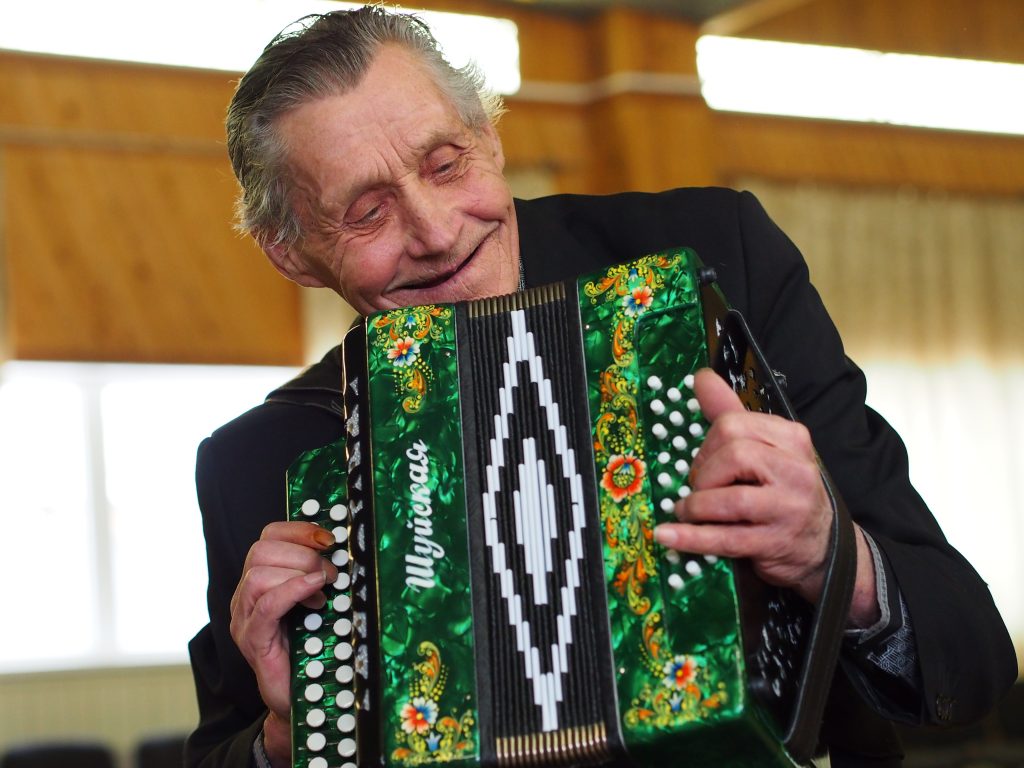
Author:
Ilmārs Pumpurs
Music/performing arts
Title
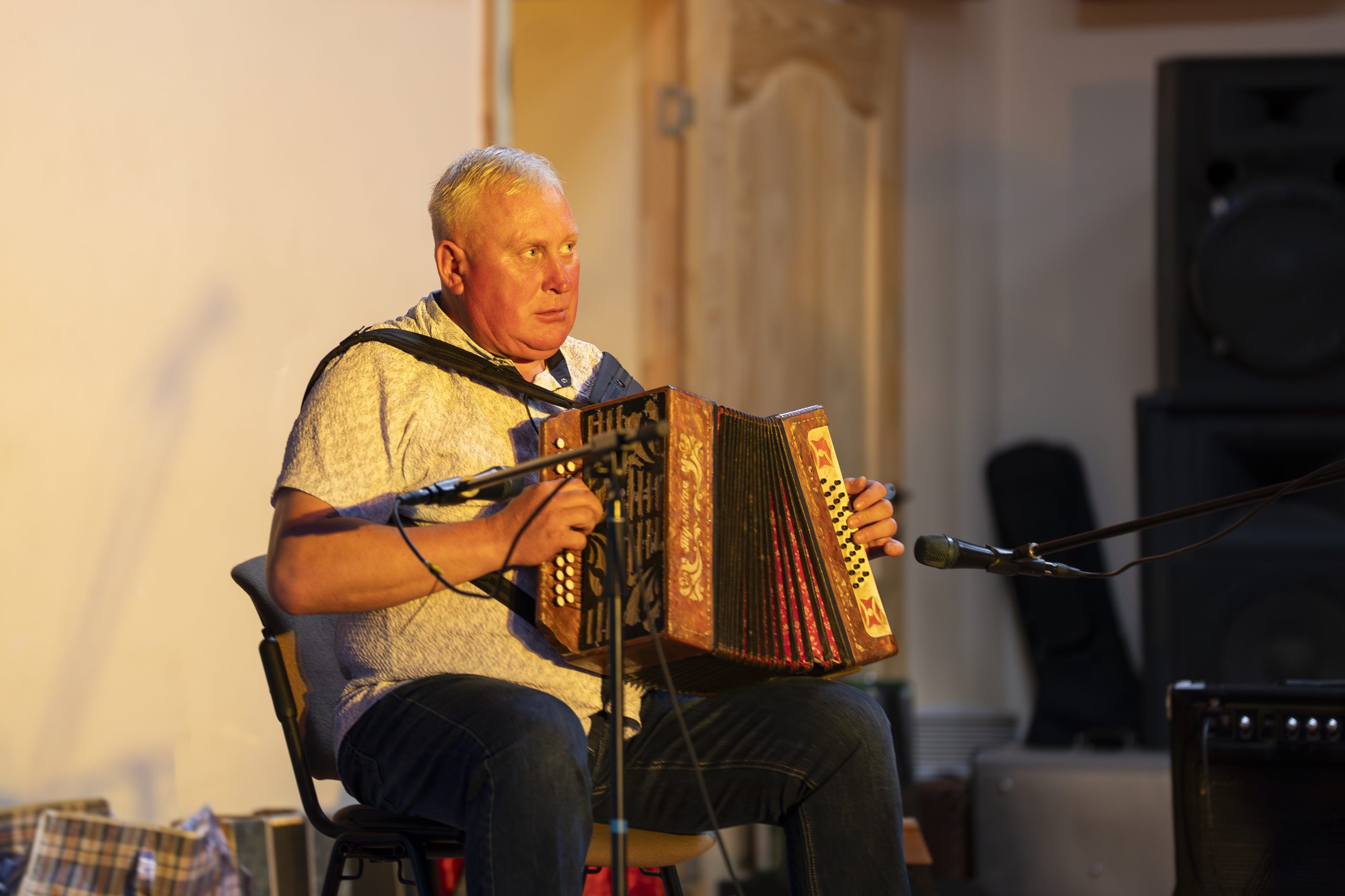
Garmane (Concertina) Playing in Latgale (2025)
Garmane (the recommended name in the Latgalian literary language)
Garmoshka (more commonly used in everyday language), Hromka, Dvuhrjadka (Russianism), and Divrindene
Ermoņikas and Harmonikas (in the Latvian literary language and scientific texts)
Armoņika (Baltinava)
Vilkt, Staipīt (to pull): an ironic name for the manner of playing
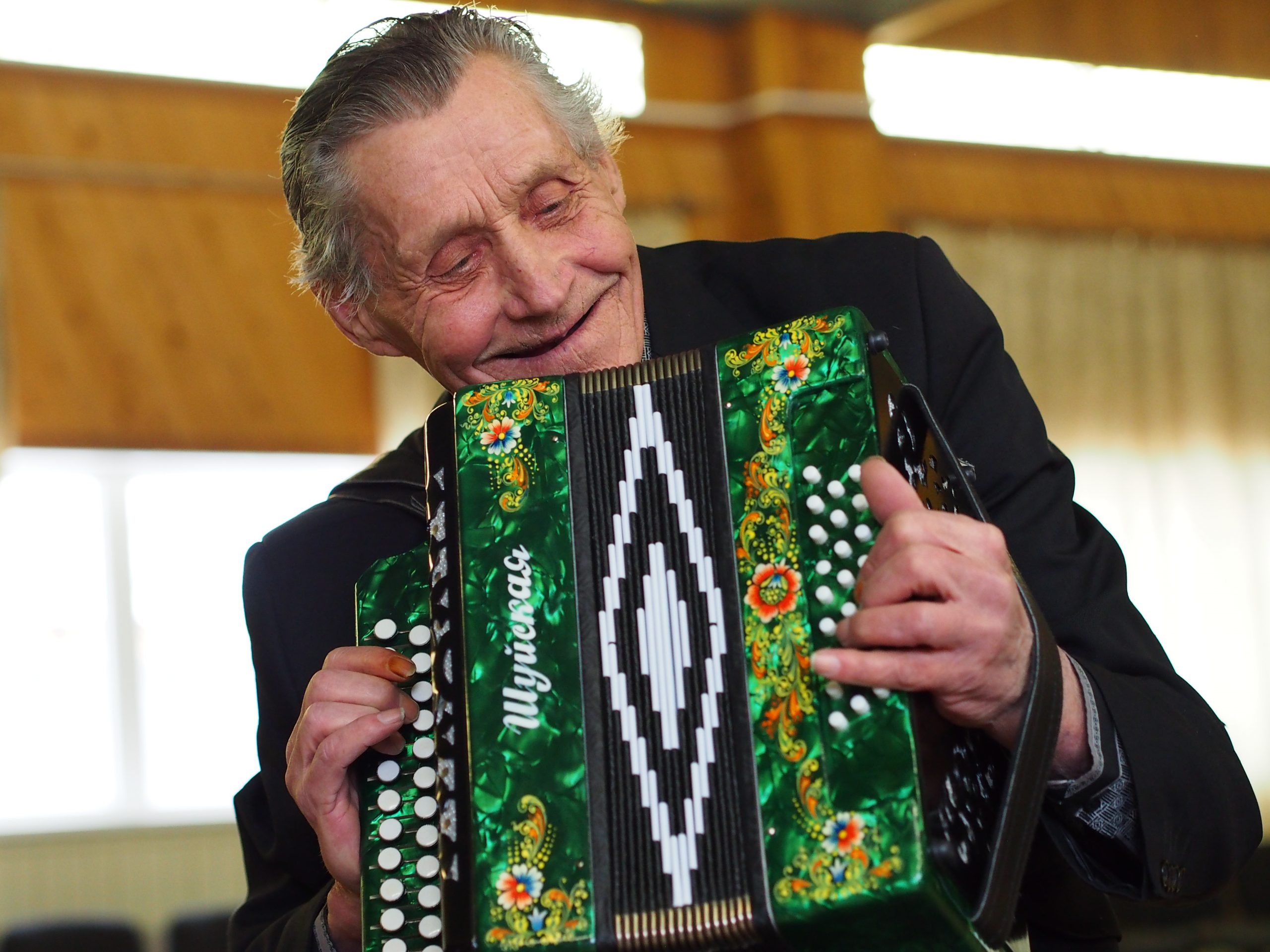
Garmane is the name of the instrument in the Latgalian literary language and was chosen to describe this tradition, which is mainly widespread in Latgale. It will be used in this document. Despite the fact that the community more often uses the Russian term garmoshka in everyday communication, the application’s authors, in consultation with Latgalian culture and language specialists, have agreed to use and promote the name garmane. Hromka is an internationally recognized term for this specific type of instrument, but it is not commonly used in the community. It is usually used by people associated with folklore and folk music to refer to this type of instrument.
Neither the community’s term garmoška nor the Latgalian term garmane accurately indicates the concertina type of instrument, which can only be understood from the context. Less common types of concertinas are always indicated with a clarifying designation, such as trīsrindene (trjohrjadka), Petersburg, or Vienna type (venka). The Latvian literary language word ermoņikas is also used in the community.
This word was originally borrowed from Russian in the 19th century. It comes from the Russian word гармоника (garmonika), which is based on the German word Harmonika, derived from the Greek word αρμονία (harmony).
Geography
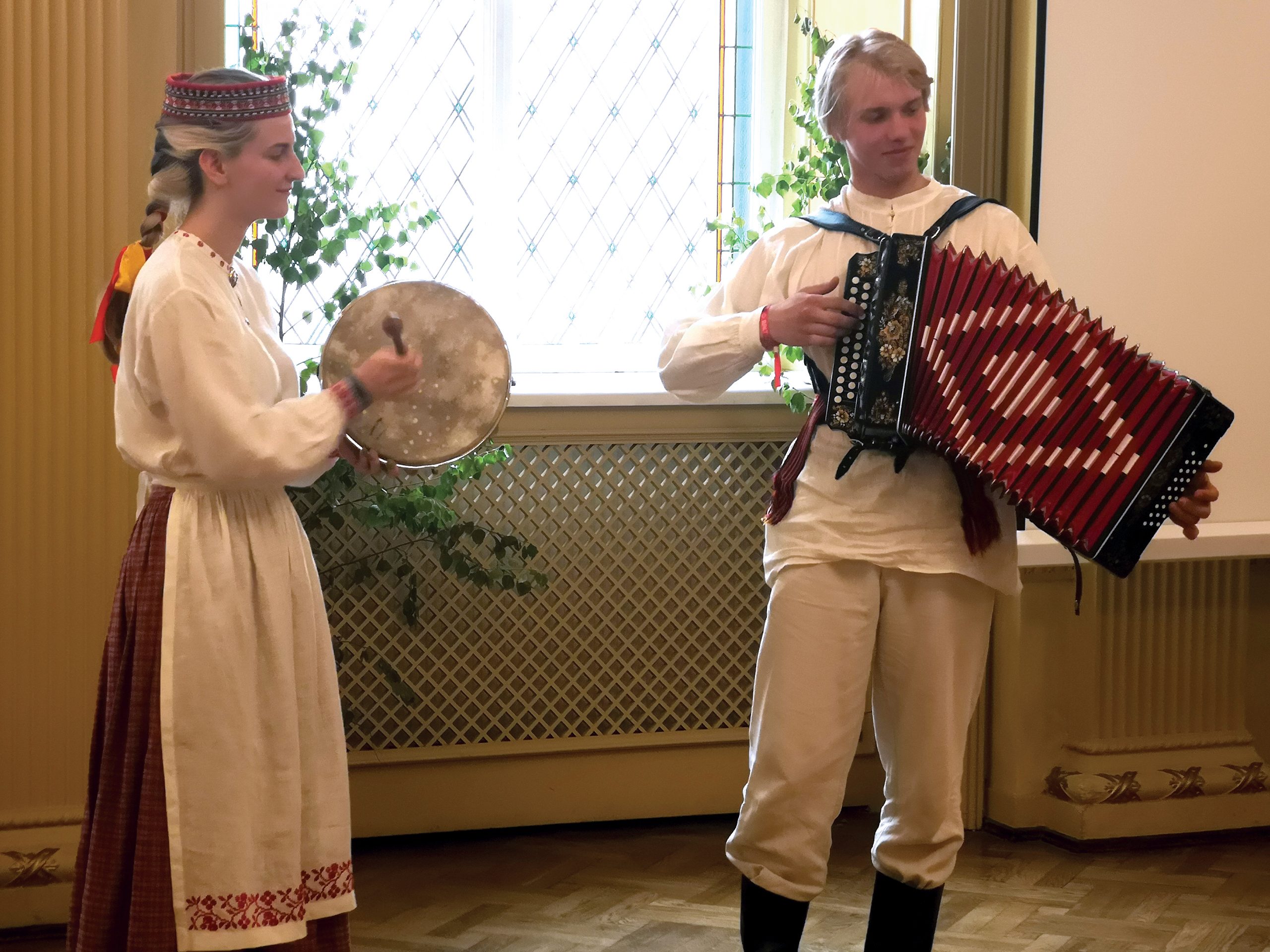
The tradition of playing this instrument is particularly widespread in Latgale within a large, active community. However, the instrument is also played elsewhere in Latvia by musicians associated with Latgale. It has also been learned and practiced in folklore and folk music groups.
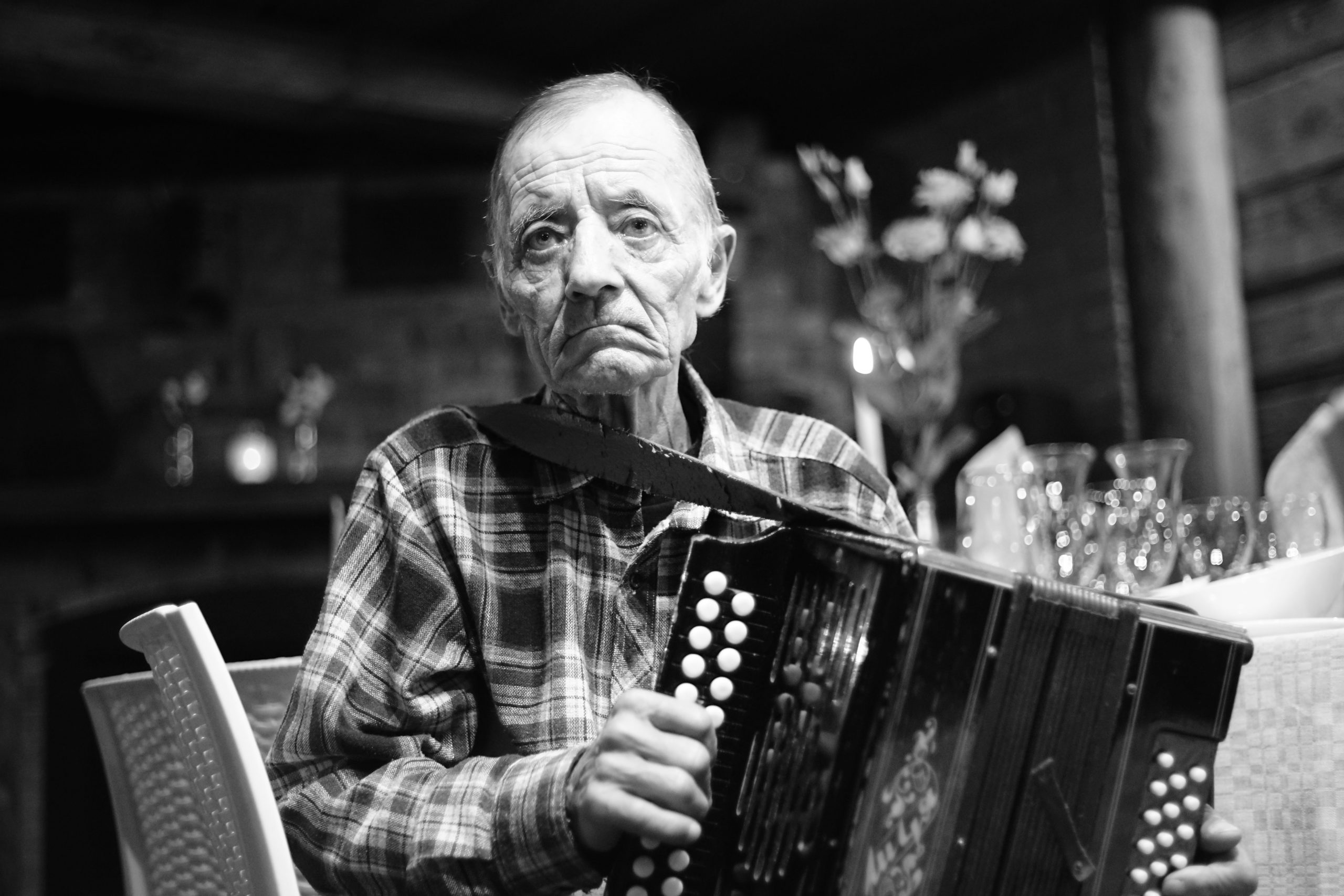
The garmane tradition (playing a two-row accordion model created in Russia in the early 20th century that became widely available in Latvia after World War II) is formed and maintained by local communities. Garmane playing is a means of community interaction and an element that promotes informal communication. For the tradition to exist in its full form, there must be active tradition bearers (instrument players), as well as passive participants (people who do not play the instrument themselves but for whom garmane music plays an important role in home gatherings, leisure activities, dances, celebrations, and annual festivities). These communities can vary greatly in structure and size: families in which garmane playing is practiced; larger extended families, some of whom may live outside Latgale; neighboring communities within a village, small town, or parish; communities of individuals interested in garmane music; and “cultural people,” who are actively involved in local cultural life and organize relevant music events.
Those who recognize the importance of the playing tradition and are interested in maintaining and passing it on are active bearers of the tradition. These musicians participate in gatherings, festivals, and other public activities where they play music and discuss the tradition. Some of these musicians are included in the list of masters. Cultural workers involved in organizing community events, gatherings, evening parties, and festivals are also important in maintaining traditions and communities of tradition bearers, as are the organizations they represent. Among them are:
• Skaidrīte Šaicāne;
• The Medņeva Community Center and the association Visi kopā (All Together);
• Artūrs Uškāns and Vija Pabērze, organizers of the Ermoņiku skaņas (Sounds of the Concertina) festival;
• The Vabole Community Center;
• The organizers of the Vabole Folk Musicians’ Gathering: Terēze Kūkoja, the Rogovka Community Center, and the Rogovkieši Association;
• Organizers of the “Večerinka 'O, bļaka!’” event.
Significance of the pirts tradition in community life
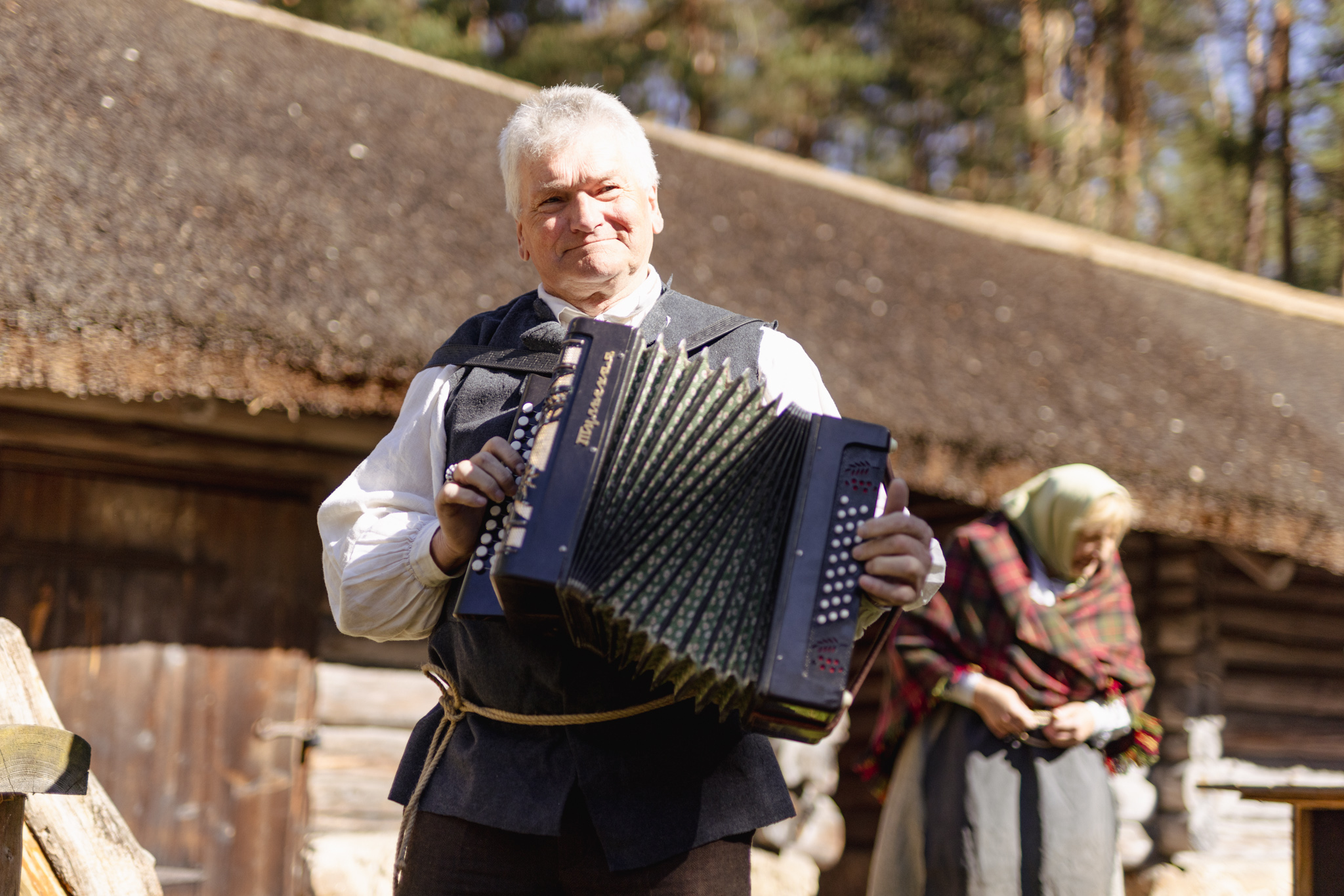
Garmane music does not have a single, clearly definable meaning in the community. Rather, it is a complex of values that combines the experience of live music, aesthetic ideas, cultural identity, and the importance of inheritance, such as the instruments of fathers and grandfathers. Garmane players provide the musical component necessary for community communication. Depending on the situation, this may be background music, accompaniment for singing, or dance music. Knowledge of the local community’s repertoire of music and songs is essential. Currently, if a community does not have its own musician, one can be invited to liven up social events. Community members enjoy attending musicians’ celebrations, “večerinka” gatherings, and festivals featuring garmane musicians.
As home music-making and instrument playing in everyday situations has declined, special public events, such as garmane musicians’ gatherings and festivals, have become important for maintaining the tradition and community. These events serve as meeting places for the community, where musicians and interested listeners (passive bearers of tradition) can interact. These events motivate musicians, who prepare for them by practicing and learning new repertoire.
As important figures in community life, garmane musicians enjoy certain privileges. Regardless of possible unpleasant character traits or addictions, the presence of a musician is desirable. In a stable playing environment, community members can recognize and distinguish a musician by their sound and manner alone, without even seeing them.
Activities
The use of instruments is closely linked to social activities and events, such as family gatherings, neighborhood events, and work celebrations. Musicians play music at weddings, birthday parties, and other family celebrations, where their music complements and helps create the mood. Singing and dancing accompany the music. The musician is often a member of the community.
A garmane player, either performing solo or as part of an ensemble, may be invited or hired to perform at entertainment events, dance evenings, and weddings. In such cases, the musician’s skill, repertoire, and ability to adapt to the audience’s wishes are more important.
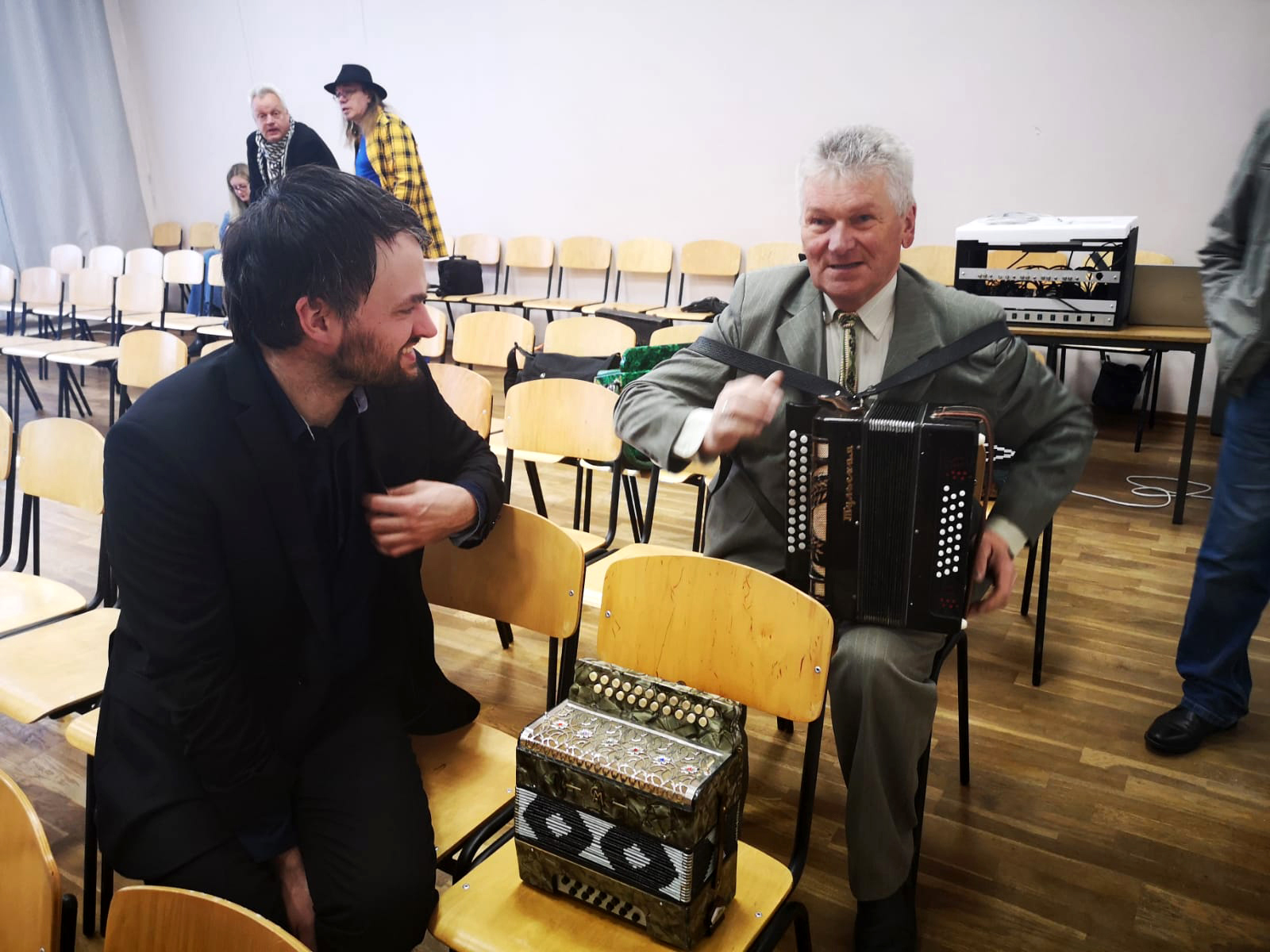
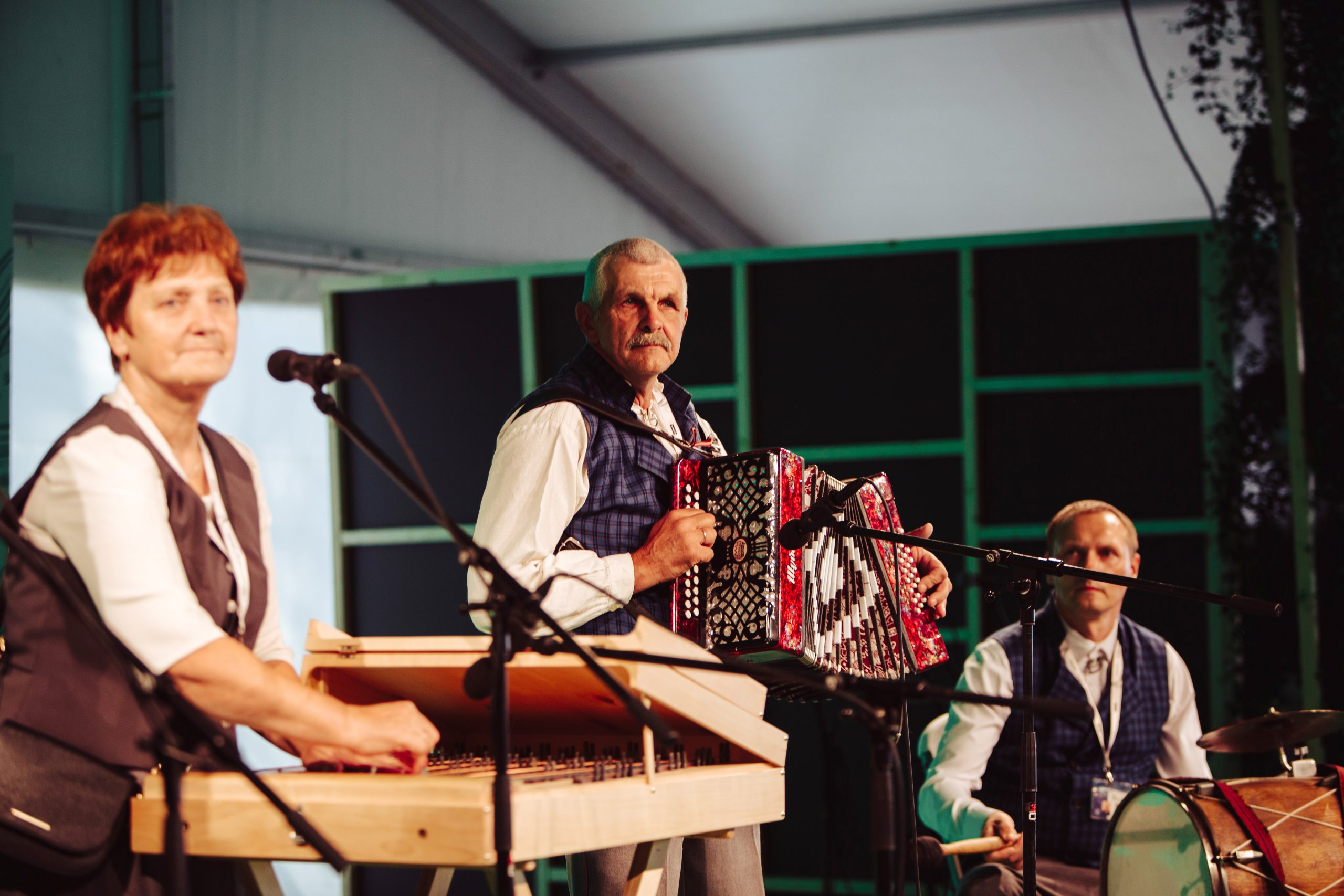
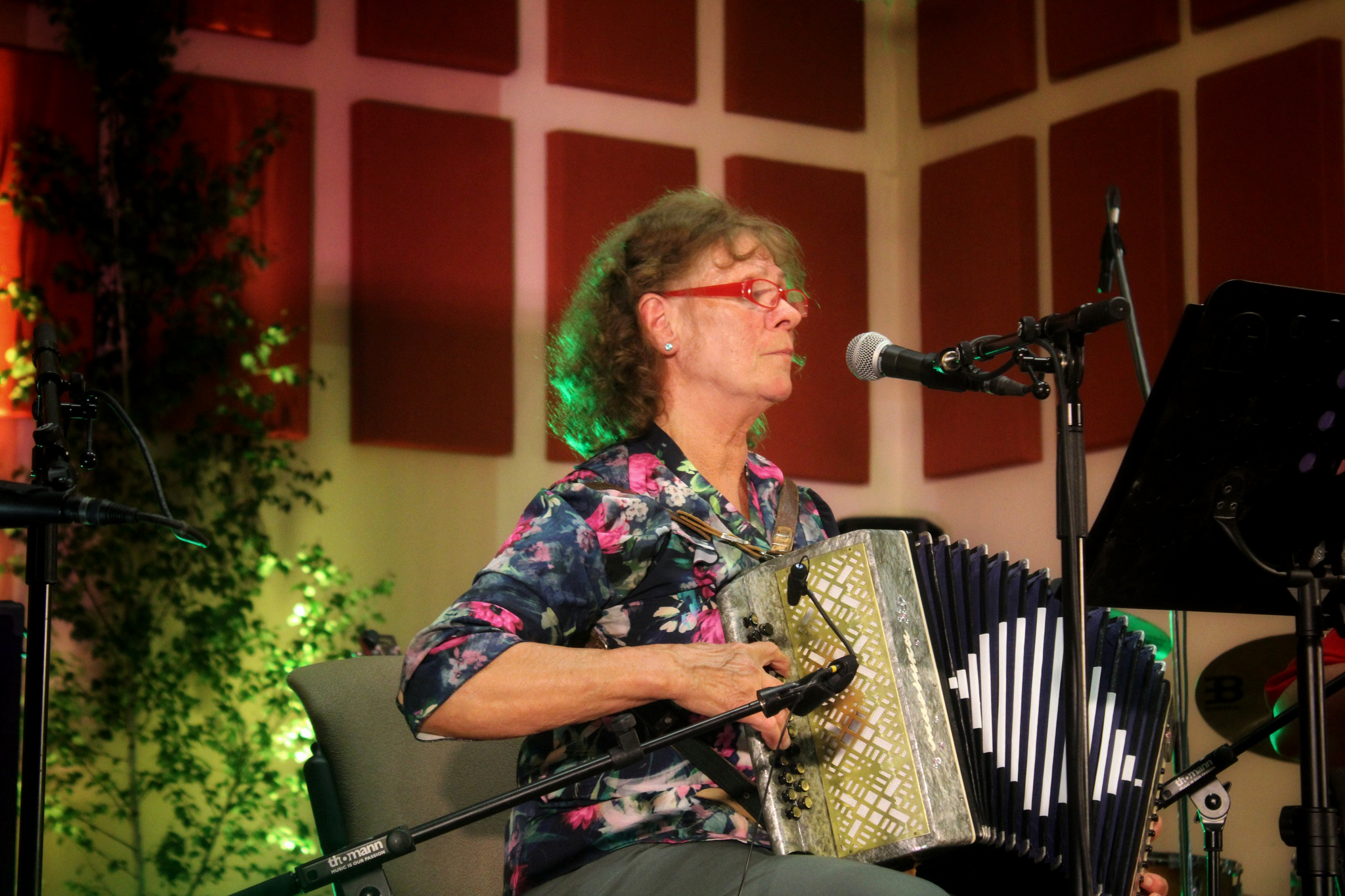
Gatherings and festivals of folk musicians, including concertina players, are becoming increasingly popular in the 21st century. As the number of musicians actively playing music daily declines, these events become particularly important for maintaining musical traditions. For example, up to 20 garmane musicians gather for a single event in Medņeva. An important part of these events are the master classes led by veteran musicians. There, interested individuals can meet the musicians, hear their stories, and learn about their musical repertoire and playing style. These events have significantly contributed to the recognition and popularity of the playing tradition. They often encourage older musicians to resume active music-making if they had stopped for some reason and to participate in community events. These events also encourage young players to learn and improve their skills. Often, musicians and ensembles who perform at these events are invited to perform at others. These gatherings are particularly important for communication among musicians, who compare their experiences, playing styles, techniques, and instruments. Many contemporary musicians are instrument collectors who maintain and repair their own instruments.
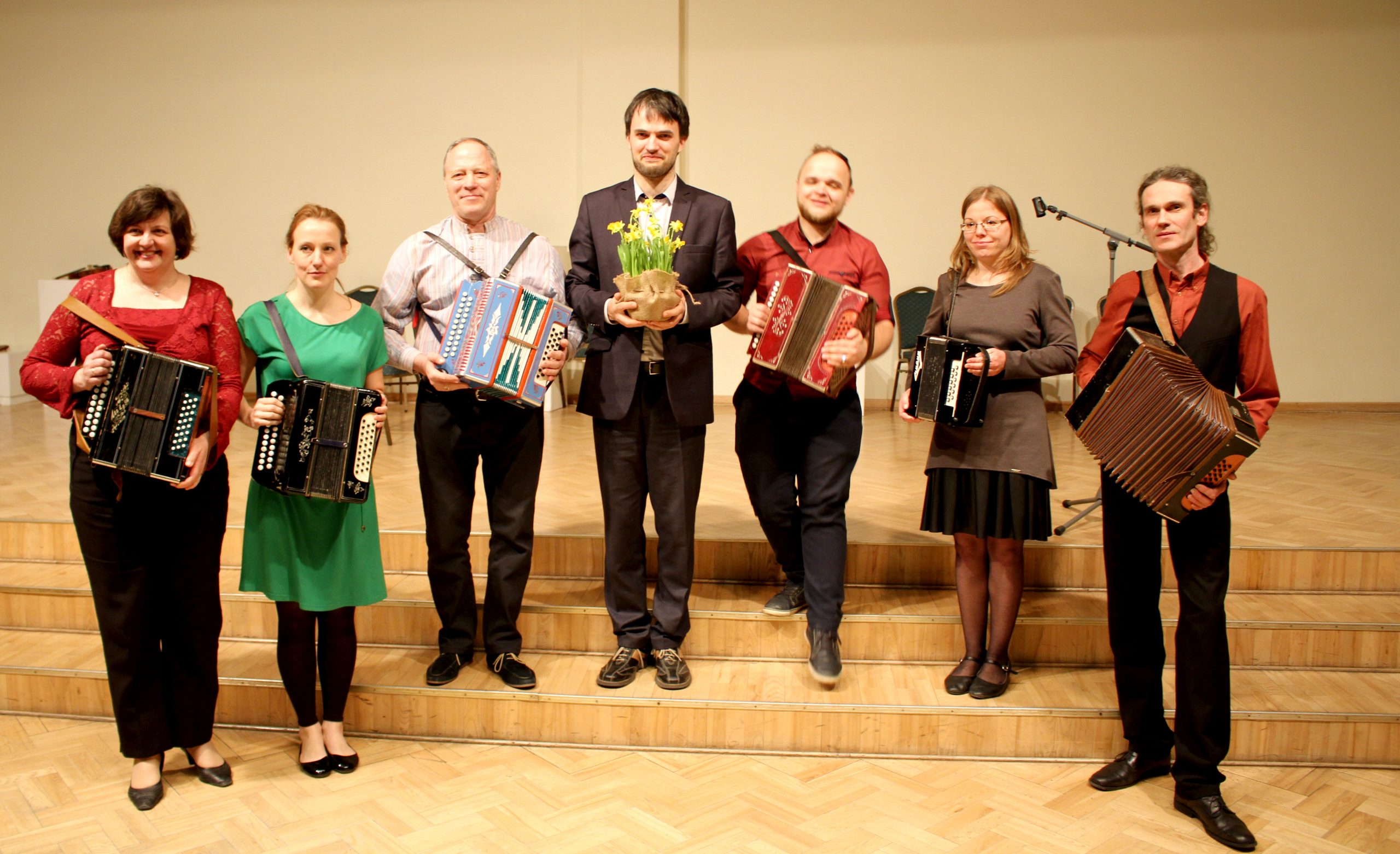
Concertina players associated with the folklore movement usually play in their own ensembles or bands for performances with folklore or folk music groups at cultural events, concerts, and festivals. Despite their proficiency and knowledge of traditional techniques and repertoire, these players may not be connected to the Latgale playing tradition.
Often, the instrument is played for self-entertainment or pleasure. These musicians may or may not be connected to the Latgale tradition and community.
Beliefs, rituals, and unwritten rules
The following saying is often quoted in connection with the instrument: “Skripka ir nu valna, kūkļe is nu Dīva, garmoņika nu cītumnīka, stabuļe nu gona, bubjeniņš nu suņa” (“The fiddle comes from the devil, the kokle from God, the concertina from a prisoner, the pipe from a herder, and the bell from a dog”, St. Ulanowska, Lotysze Infland Polskich, Krakow, 1891). Based on the time of recording, it is clear that an older type of instrument is meant. This confirms that the new unisonic instrument, a model of concertina whose sound does not depend on the direction of movement of the swell box (unlike older bisonic instruments, where each key can produce two different sounds), has most likely taken over the functions and meanings of older instruments.
Usually, a single garmane player performs. Even if the instruments are tuned to the same pitch, it is not customary to join another player’s performance. A garmane player can be accompanied by a zither, violins, percussion instruments, etc., in a band of musicians, but it is not desirable for several garmane players to play at the same time. Nowadays, however, this principle is increasingly being violated, both in music group formations where social factors dominate over musical tradition and in festival and gathering situations where musicians are encouraged to play together.
Inheritance and transmission
Playing skills, repertoire, and techniques are not usually taught in a targeted manner. Rather, they are acquired independently through self-study or by imitating examples seen or heard. These skills are passed on not only within families — from fathers, brothers, sisters, and godfathers — but also without any specific model. They are passed on simply by following the desire to make music and, of course, by having the opportunity to acquire an instrument. Sometimes, the choice of instrument is determined by chance, such as when it is available to be borrowed or purchased from a relative. More often, however, the player has enjoyed the sound of instrument since childhood. Learning to play this instrument is also easier than learning to play the accordion or bayan. The repertoire consists of popular songs, folk songs, and dance melodies; the repertoire played by other musicians that the player likes; and “old Latvian” songs, including those sung casually and those heard on tape recordings. (See the appendix for examples of the repertoire.) The melodies are learned by ear, and practically none of the direct bearers of the tradition know or use musical notation. A good ear for music and a good memory are highly valued, as is the ability to immediately play a melody heard on an instrument. However, there are also musicians who only play pieces they have learned in advance. Musicians admit that the repertoire played is usually determined by audience demand in each performance situation, such as the event, audience mood, and specific requests.
Some groups of garmane players consist of people who learned to play the instrument in amateur groups, such as folklore or folk music ensembles. They choose the instrument based on the idea that it is old, which makes it more suitable for the folklore repertoire than a piano accordion. It is also easy to learn and accessible. The ensemble’s repertoire determines the choice of repertoire, which includes folk song accompaniments, instrumental interpretations, and folk dances. Sheet music can be used to learn the repertoire. Most of this group learns to play through education in courses. By contacting the bearers of the group’s traditions, players can learn playing styles, ornamentation techniques, and pieces of music.
History
Despite its widespread popularity in the latter half of the 20th century — when the hromka accordion dominated Russia and other USSR republics — there is little reliable information about the instrument’s origin. Created in the early 20th century in Vologda, northern Russia, the instrument changed the tuning of the Vienna-type two-row concertina to unison, meaning the sounds produced on the keys do not depend on the direction of the bellows movement. Within 10–15 years, it gained considerable popularity in Russia. Compared to other concertinas, the basics of playing this instrument are much easier to learn, so starting in 1925, hromkas began to be mass-produced for Soviet “artistic self-expression” and everyday music-making.
It can be assumed that the instrument was available and played in Latvia before the Second World War. It was mainly purchased in Lithuania because of its low price there, but in small quantities, and it was often retuned to a bisonic instrument. It is likely that the process was similar in Latvia. After the Soviet occupation, the garman spread quickly because other accordion models were no longer available, and the garman was relatively cheap. The influence of Russian, Belarusian, and Ukrainian immigrants who played music cannot be ruled out either. These processes have yet to be researched specifically. Initially, it is likely that the playing of the instrument spread by building on the tradition of playing older bellows instruments and bisonic accordions, whose keys produce different sounds depending on the direction of the bellows movement. The availability of these older instruments declined during the Soviet era. Along with the repertoire and functions, the instrument also took on the older name, garmane (and others commonly used). Despite its widespread use in everyday music-making, the instrument was ignored in the public cultural environment during the Soviet era. In Latgale, the piano accordion was also preferred for folklore and folk music.
In Latvia, active awareness and documentation of playing traditions, including sound and video recordings, began in the 1990s (M. Jansons’s sound archive). The most significant collections are currently held in the archives of the Latvian Folklore Center and the Jāzeps Vītols Latvian Academy of Music. Since 2001, folk musicians, many of whom are concertina, or garmane, players have gathered at the Folk Musicians’ Festival in Barkava, and, since 2004, at the Folk Musicians’ Gathering in Vabole. Since 2006, they have gathered at the Ermoņiku skaņas musicians’ gathering in Medņeva and the Večerinka “O, bļaka!” gathering in Rogovka. Since 2014, the Skaņumāja association has offered regular courses on how to play the instrument, providing interested individuals with the opportunity to learn the basics. Thirty-one people have participated in these courses since 2014. You can also learn to play the garmane as part of the Traditional Music Program at the Jānis Ivanovs Rēzekne Music Secondary School.
The prevalence of the garmane in Latvia can be gauged by the number of old instruments found in collections and on the secondhand market. A more accurate assessment is possible from the period when the playing tradition was more extensively documented. Clearly, the number of players is declining, which is characteristic of home music-making in general. Reasons for this decline include competition from more popular, prestigious, and accessible instruments, such as the accordion and guitar. The tradition is also affected by the widespread availability of mechanical music and recordings, as well as the weakening of family ties and the disappearance of everyday situations involving music. Paradoxically, music schools, which attract young people interested in playing music and introduce them to academic and popular music, negatively impact the continuation of the tradition. Currently, 50 to 60 active garmane musicians perform at various public events, but the total number of tradition bearers is estimated at 200 or more.
Garmane musicians’ participation in cultural events, musicians’ gatherings, festivals, and folk music celebrations, as well as national events such as the Song and Dance Festival, the Latvian Folk Music Festival, and the Baltica Folklore Festival, has contributed to the tradition’s recognition and prestige alongside other instruments used in folk music and folklore events. This has sparked interest among musicians who previously only played at home in participating in public events, as well as encouraged older players who had stopped playing to take up their instruments again. Similarly, new enthusiasts, both those belonging to the Latgale cultural space and those involved in folklore and folk music ensemble activities, are turning to learning the instrument. They are motivated not by regional tradition but by the idea of the garmane as an ancient instrument suitable for folk music. They may also be following the example of Lithuanian and Estonian folk musicians who use this instrument much more frequently.
While those who wanted to play sought out and purchased old, used instruments in the 1980s and 1990s, new instruments manufactured in Russia have also been available since the 2000s (due to the war caused by Russia, supplies have been interrupted, but the exchange and trade of previously imported instruments continues).
Additional Information
Garmane musicians are often informal community leaders and may be experts in traditions, singers, storytellers, or leaders of music groups (bands or folklore groups).
Garmane players often learn how to repair their instruments (including knowledge of working with wood and metal), performing maintenance, tuning, and structural improvements.
Masters
Garmane players from locations where the tradition is widespread actively participate in events, and their testimonials are attached to this application.
Balvi municipality:
• Alfrēds Circenis (Medņeva);
• Dainis Babāns (Medņeva);
• Anita Pakalnīte (Briežciems);
• Elīza Pužule (Žīguri);
• Jāzeps Zaremba (Medņeva);
• Kristians Šaicāns (Viļaka);
• Māris Briediņš (Medņeva);
• Māris Spriņģis (Medņeva);
• Pēteris Laganovskis (Baltinava);
• Staņislavs Erciks (Medņeva);
• Vitālijs Logins (Viļaka).
Ludza Municipality:
• Andris Zeiļuks (Salnava);
• Aleksandrs Maļkevičs (Ludza), a garmane musician and teacher.
• Dainis Ločmelis (Salnava);
• Zinaida Kaupuža (Ludza).
Rēzekne Municipality:
• Dace Baltkāje (Kaunata);
• Antons Savickis (Kaunata);
• Gunārs Igaunis (Gaigalava), a musician and instrument maker.
Daugavpils Municipality:
• Jānis Mukāns (Daugavpils);
• Jānis Gipters (Vabole).
Daugavpils Municipality:
• Staņislavs Zabianko (Līvāni);
• Ansis Ataols Bērziņš (Rudzāti).
Jēkabpils Municipality:
• Nikolajs Bogdanovs (Mežāre).
Gulbene Municipality:
• Maija Avena (Ranka).
Rīga:
• Andris Kapusts (Rīga);
• Oskars Patjanko (Riga): musician, researcher, and garmane teacher.
This list does not fully reflect the spread of the tradition. It only includes the most active musicians who regularly participate in garmane gatherings and other events.
Institutions and Organizations
Organizations closely associated with the element that recognize the importance of this tradition and regularly organize and/or support public activities significant to the community that promote the tradition and contribute to its preservation, such as folk music events, festivals, celebrations, and gatherings: Medņeva Community Center, the Visi kopā association, the Vabole Community Center, the Rogovka Community Center, and the Rogovkieši association. The Latvian National Culture Center is an organizer of events of national importance.
Organizers and supporters of educational and training activities: Jānis Ivanovs, Rēzekne Music Secondary School; the Skaņumāja association; and the Latvian National Culture Center.
Video and sound archives containing important information for researching and passing on traditions through education: the LU LFMI Latvian Folklore Archive and the JVLMA Traditional Music Digital Archive.
Reinforcement
POPULARIZATION OF TRADITIONS, PRACTICING MUSIC, AND INVOLVEMENT OF MUSICIANS IN PUBLIC EVENTS AND MAINTAINING THE COMMUNITY
Several events that promote home music-making and accordion playing are held regularly, including the Folk Musicians'Festival, the Ermoņiku skaņas festival in Medņeva, the Vabole Folk Musicians’Gathering, and the Večerinka “O, bļaka!”, Folk Musicians’ Gathering in Rogovka. These events provide insight into the aforementioned tradition and attract new enthusiasts, including players and listeners. Garmane musicians also participate in events related to Latgale's traditional culture, folklore, and folk music. Garmane musicians increasingly participate in national events as part of folk music and folklore ensembles, including the Latvian Folk Music Festival, the Novadu dienas (Regional Days) folklore festival, the Baltica International Folklore Festival, and the Song and Dance Festival’s folk music and folklore events.
LEARNING OPPORTUNITIES IN EDUCATION
There are learning opportunities for the garmane, also known as the hromka concertina. Since 2016, teaching materials created by Oskars Patjanko have been available, and there are regular opportunities to learn the instrument in traditional instrument courses organized by the Skaņumāja association. You can also learn to play the instrument as part of the Traditional Music Program at the Jānis Ivanovs Rēzekne Music High School.
DOCUMENTING PLAYING AND TRADITIONS
Since the 1990s, a considerable amount of information has been collected and compiled about garmane playing, including audio and video recordings, as well as information about musicians and the contexts in which the instrument is played. More than 50 interviews have been conducted. This material is available on the Latvian Folklore Archive website, garamantas.lv, and the Music Academy website, tradarhivs.lv. It can also be found on the Vabole Folk Musicians' Gathering YouTube account. This material provides an overview of playing and variation techniques, individual styles, and repertoire.
As a result of these activities, the instrument has gained greater recognition and is now perceived by non-specialists as belonging to local traditions. Its prestige has increased significantly alongside that of other traditional musical instruments. Many previously inactive tradition bearers have resumed playing the instrument and participate in public events. The younger generation, including children, teenagers, and young adults, is also taking up the instrument within the framework of Latgale music traditions and as part of the folklore movement in Riga and other regions of Latvia.
Activities related to preserving traditions are organized with support from the state (Culture Capital Foundation, VKKF), local governments (organizing events and supporting participants and groups), and private sources (supporting events and covering participants’ expenses).
The Ermoņiku skaņas (Sounds of the Concertina) festival is organized with support from the local government, the VKKF, and private sources, and plans are in place to continue this support.
The folk musicians’ gathering in Vabole is organized with support from the local government, and plans are in place to continue this support.
The Večerinka “O, bļaka!” folk musicians’ gathering is organized with support from the local government and the VKKF, and plans are in place to attract further support.
The Skaņumāja instrument-playing courses are organized with support from the VKKF and the local government of the venue, as well as co-financing from the participants. Learning the garmane in music schools (existing and planned) is funded by the state and local governments.
Oskars Patjanko’s research and documentation of traditions are financed by personal funds. To date, more than 30 video interviews have been conducted with Alberts Mednis, Antanas Šakis, Normunds Tušinskis, Jānis Logins, Aleksandrs Ločmelis, Pēteris Baranovs, Jānis Zapans, Antons Rutka, Viktors Kozlovskis, Pēteris Tabunovs, Ādolfs Strapcāns, Romualds Vasiļevskis, Herta Voldovska, Juris Dūmiņš, Irēna Znūteņa, Jāzeps Lubāns, Antons Livdans, Jānis Podiņš, Antonijs Skrebels, Andris Mičulis, Pēteris Kokarevics, Staņislavs Erciks, Alfrēds Circenis, Jānis Uzkliņģis, Voldemārs Džigurs, Nikolajs Zaharovs, Romani musician Elmārs, Jānis Ģipters, Aleksandrs Boginskis, Aleksandrs Afanasenko Paličs, Leonīds Bērziņš, Staņislavs Zabiņako, Pēteris Justs, Antons Savickis, Antons Butāns, Jānis Upenieks. The interviews are available on the JVLMA website, tradrhivs.lv.
Continuation/development
It is expected that all significant events for garmelējs players, including documentation of the games, will continue.
One such event is the annual musicians’ gathering, Ermoņiku skaņas, held in Medņeva since 2005. An average of seven to eight bands and 12 to 14 individual musicians regularly participate in the event.
The folk musicians’ gathering in Vabole has been held since 2004. Around 15 individual musicians and 3–4 groups participate each year.
The annual folk musicians’ gathering Večerinka “O, bļaka!” (since 2011). In the future, it is planned to supplement the gathering with master classes.
Opportunities to include and demonstrate the Latgale garmane playing tradition at events of national importance, such as the Baltica festival, the Latvian Folk Music Festival, and the National Song and Dance Festival, will be taken where possible, as well as at other traditional cultural events.
Documentation of instrument playing and community-building events will continue. Musicians will be interviewed, and sound and video recordings will be made to identify the repertoire (Oskars Patjanko, Ilmārs Pumpurs, Artūrs Uškāns, et al.).
A large-scale publicity campaign is planned with the participation of all involved organizations in connection with the acquisition of Intangible Cultural Heritage value status. The campaign aims to attract the attention of organizers of cultural life, local government employees, and those interested in traditional culture. It also aims to encourage new people and places to become involved in organizing activities that incorporate and support traditions.
The Skaņumāja adult non-formal education course program will continue, including the playing of the two-row concertina-garmane alongside other traditional instruments. In cooperation with the Latvian National Culture Center, we will continue working on implementing and accrediting the Traditional Music Education Program to begin teaching the instrument in music schools in the cultural-historical region.
To improve instrument availability, the Skaņumāja association plans to attract funding and organize tuning and repair courses/master classes for the garmane.
These measures aim to draw the attention of the wider public, including local authorities and cultural NGOs, so they can plan targeted activities to raise awareness, promote the garmane playing tradition, increase its presence in existing regional cultural events, and create new events that cover the entire area where the tradition is widespread. The association also plans to draw the attention of district and Latgale regional cultural programs to support activities related to preserving traditions.
The association will provide interested adults and children with regular opportunities to learn to play the instrument and understand its cultural context. They will also provide opportunities to begin learning to play at music schools in Rēzekne and Viļāni.
The association will ensure the availability of high-quality instruments for all interested parties.
Threats
The long-term preservation of the Latgale garmane playing tradition is threatened by a decline in the number of players, including a population decline in the region as a whole, and by changes in communities that perceive this tradition as an important part of their cultural environment and community life.
Promotional activities in the regions that are essential for preserving the tradition depend on support from local governments, which may drastically decrease or cease.
Traditional music competes with more popular forms of music, such as post-folk, pop-folk, and world music. Additionally, the instrument competes with other musical instruments in terms of opportunity, accessibility, and ideology (including ICH treasures— ieviņa and Pēterburgas ermoņikas). This reduces the number of new people joining the tradition and its opportunities to be represented at cultural events.
The preservation of the tradition is negatively affected by the lack of high-quality instruments. There is still a shortage of skilled craftsmen to maintain old instruments, and not all musicians can afford repairs. Due to the current international situation, the purchase of new instruments has stalled. Until now, these instruments were supplied by manufacturers in Russia.
Applicant
Association Skaņumāja
Image Gallery
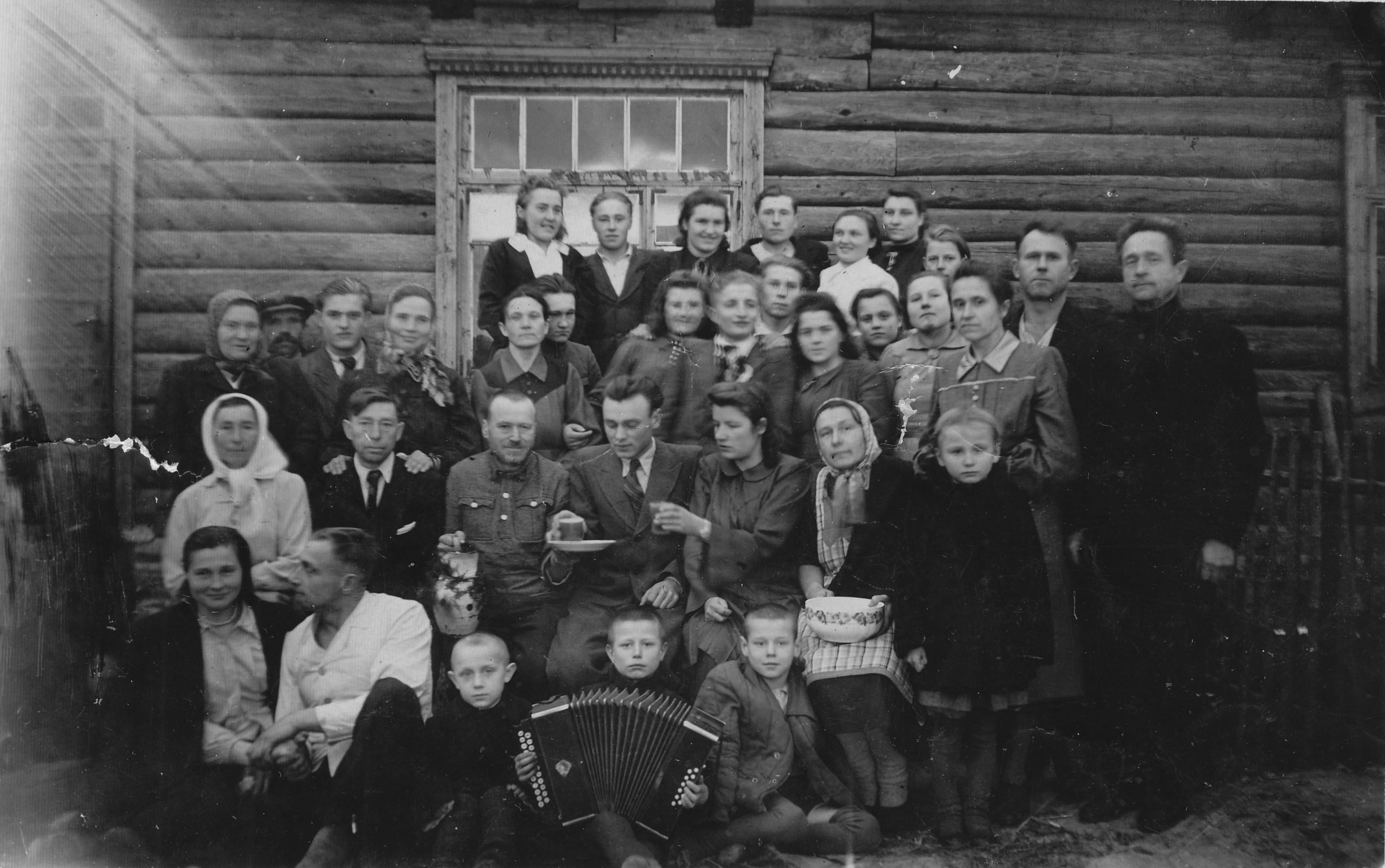
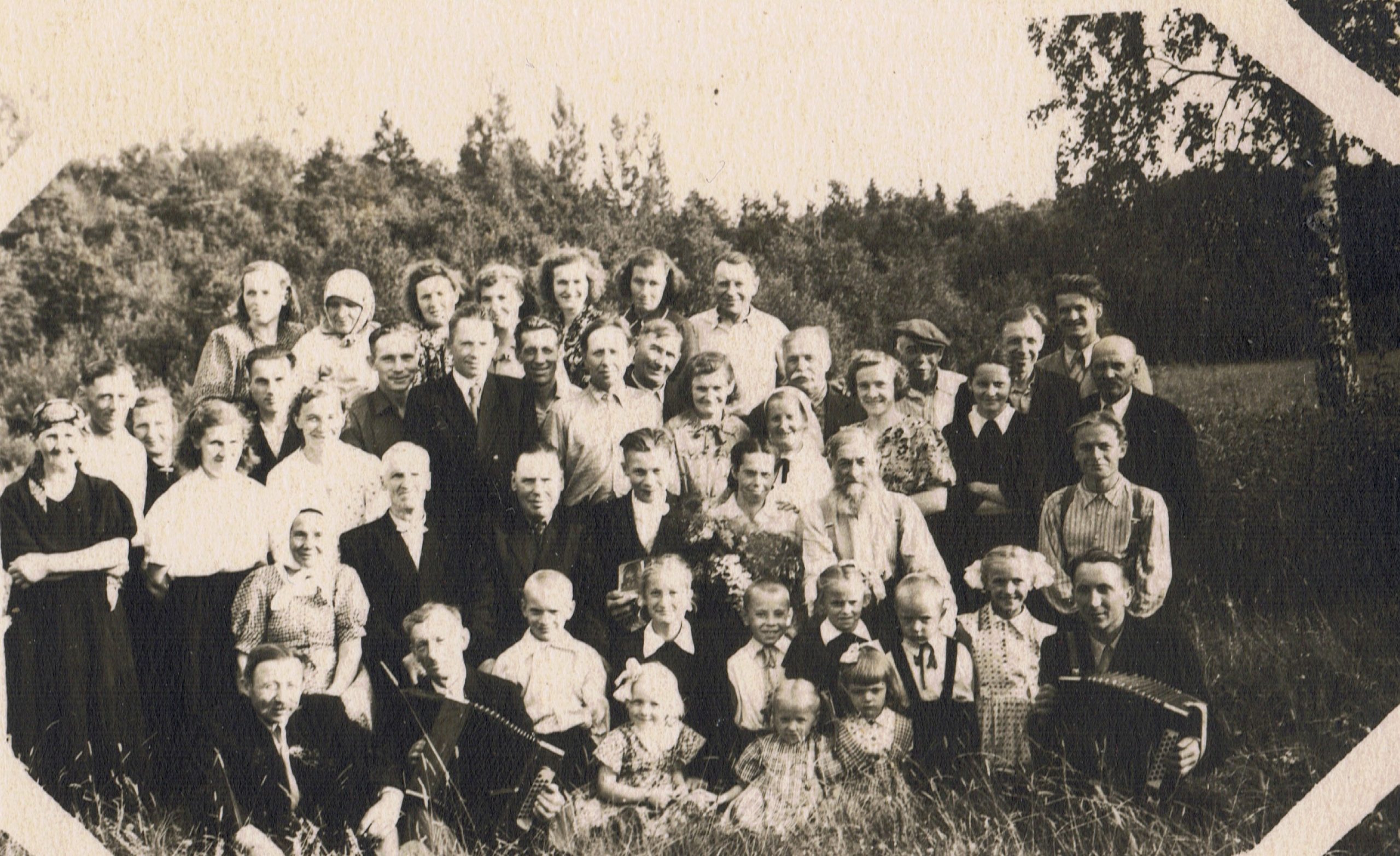
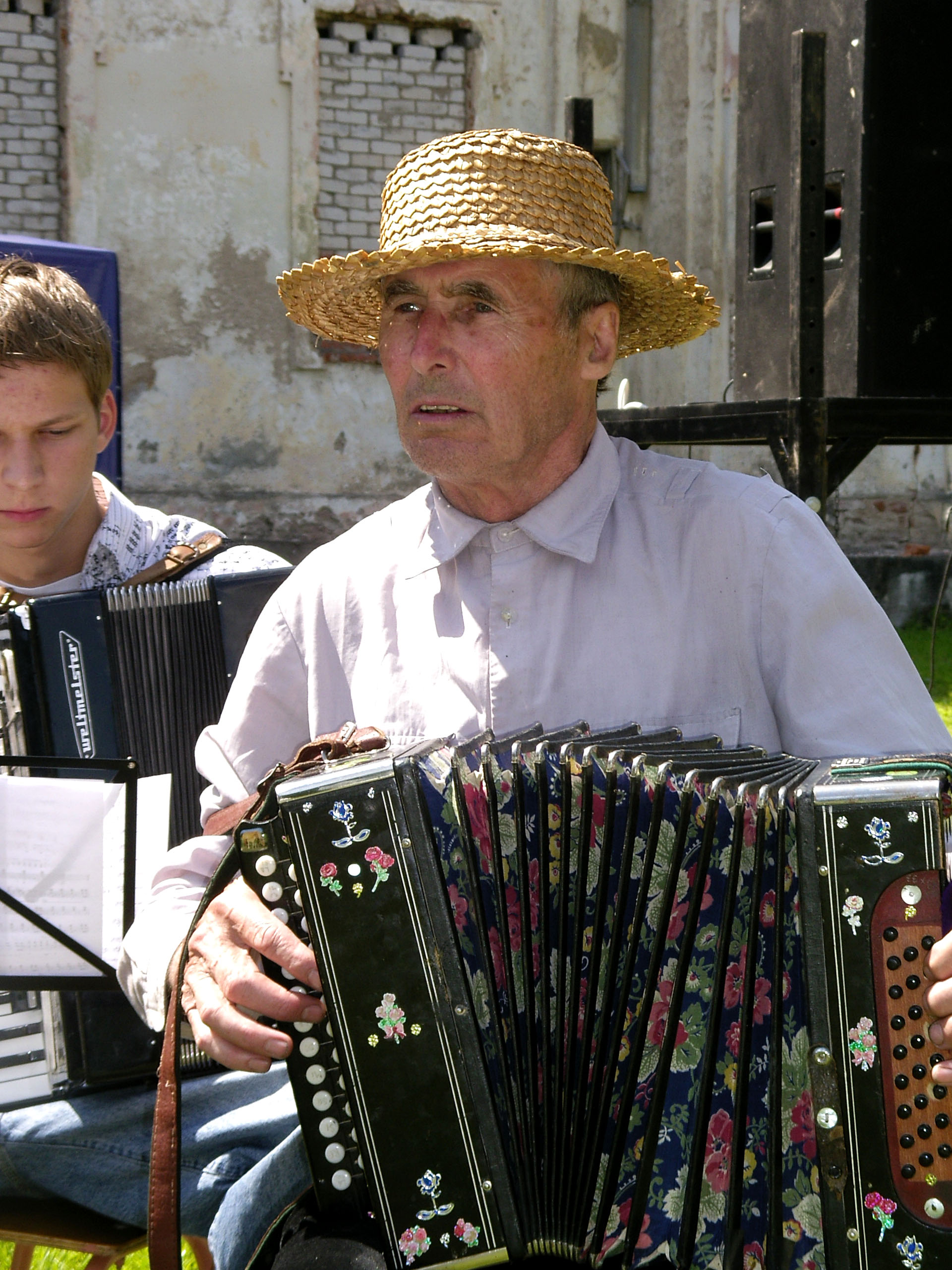
Video materials:
Text Materials

Publications
Ločmele Inese (2012). Garmane. Raksts izdevumā Latgolys ligvoteritorialuo vuordineica II. Rēzekne: Rēzeknes Augstskola .
Websites
Patjanko, Oskars (2016). Hromkas tipa ermoņiku apmācība/mācību līdzeklis ermoņiku spēles apguvei. - e-grāmata. Ievads ar īsu plēšu instrumentu saimes un Hromkas tipa ermoņiku raksturojumu ; melodiju krājums spēles apguvei pašmācībā ar tabulatūrām un video paraugiem.
Balvu reģiona kultūrvēstures datu bāze/ Ermoņiku skaņas - Apraksts par Muzikantu saietu "Ermoņiku skaņas" Medņevā
Пой, гармоника! Всё о гармони и гармонистах. - Informācija par par ermoņiku tipiem un krievu instrumentu vēsturi (krievu val.) Autors Sergejs Akimovs
«Русская гармонь». - Daudzpusīga informācija par un ap krievu ermoņikām vēsturiski un mūsdienās (krievu val.) Autori Vitālijs Aleksejevs, Oļegs Ivanovs, Sergejs Serjodkins..